Enrich Clinic can help
For some of the more specific symptoms, ENRICH Clinic offers a range of services and treatments that can help with some of the milder symptoms of menopause.
Dry Skin and Skin Laxity During Menopause
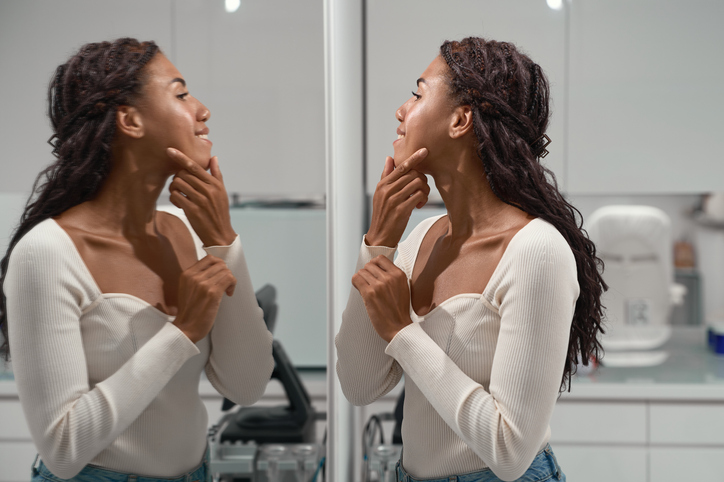
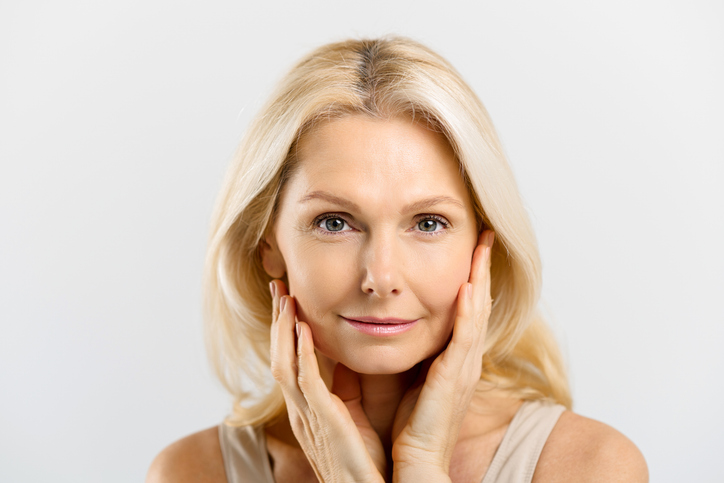
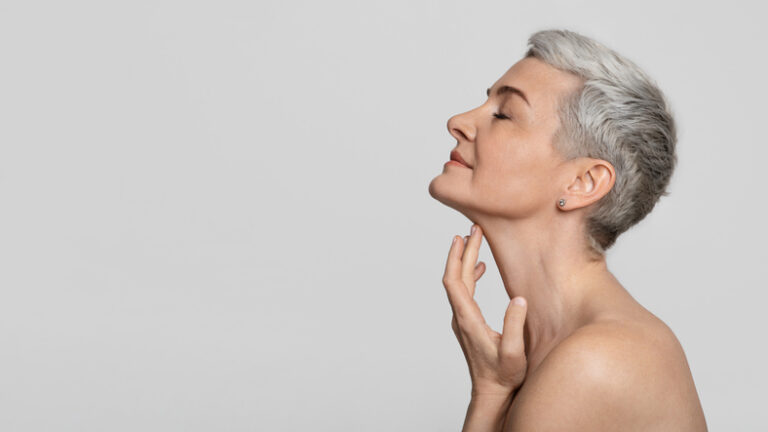
During menopause, many women experience changes in their skin, including increased dryness and loss of elasticity, known as skin laxity. These changes are primarily due to hormonal fluctuations, particularly the decline in estrogen levels, which affect the skin’s ability to retain moisture and maintain its firmness. Understanding these changes and adopting effective skincare strategies can help manage and mitigate these symptoms.
Causes of Dry Skin and Skin Laxity During Menopause
- Hormonal Changes: The decrease in estrogen levels reduces the skin’s production of collagen and natural oils, leading to dryness and a loss of elasticity.
- Aging Process: Natural aging processes slow down cell turnover and collagen production, contributing to sagging and wrinkles.
- Environmental Factors: Exposure to environmental stressors such as UV radiation, pollution, and harsh weather can exacerbate skin dryness and laxity.
What happens to our collagen?
Collagen production in the body starts to decline gradually after the age of 20, with a more noticeable decrease occurring in the mid-30s to 40s. By the time people reach their 50s, the reduction in collagen production becomes more significant. This decline continues with age, contributing to various signs of aging such as wrinkles, sagging skin, and joint stiffness.
During menopause, the decrease in estrogen levels significantly affects collagen production and maintenance, leading to various changes in the body contributing to various signs of aging such as wrinkles, sagging skin, and joint stiffness. Here’s what happens to collagen during menopause:
- Reduced Collagen Production: Estrogen plays a crucial role in stimulating collagen production. As estrogen levels drop during menopause, the body produces less collagen.
- Collagen Breakdown: Lower estrogen levels also lead to an increase in enzymes that break down collagen, such as collagenase. This accelerates the degradation of existing collagen in the body.
- Skin Changes: Collagen provides structure and elasticity to the skin. Reduced collagen results in thinner, less elastic skin, making it more prone to wrinkles and sagging. Skin may also become drier and more fragile.
- Joint and Bone Health: Collagen is a key component of cartilage and bones. Decreased collagen can contribute to joint pain and stiffness, as well as an increased risk of osteoporosis due to the weakening of bone structure.
- Hair and Nails: Collagen supports hair and nail health. During menopause, women may notice thinning hair and more brittle nails due to decreased collagen levels.
How can we help boost collagen production
- Retinoids: Products containing retinoids (vitamin A derivatives) can help stimulate collagen production and improve skin texture and firmness. Start with a lower concentration to avoid irritation and gradually increase as tolerated.
- Peptides: Skincare products with peptides can support collagen production and improve skin elasticity.
- Vitamin C: Topical vitamin C serums can help boost collagen production and provide antioxidant protection, improving skin firmness and brightness.
- Dermatologist or Asthetic Doctor Consultation: Consult with a dermatologist or doctor for personalised advice and potential treatments such as laser therapy, microneedling, or radiofrequency treatments, which can help improve skin texture and elasticity.
- Facials and Peels: Professional laser facials and chemical peels can help address dryness and stimulate collagen production.

Adult Acne
A lesser-known result of menopause is the occurrence of adult acne. In the study Menopausal Acne – Challenges And Solutions, Khunger and Mehrotra observe that acne is a common side-effect of menopause. The study states that the “etiology of menopausal acne is multifactorial, with hormonal imbalance being the major culprit”. Whilst the hormonal imbalance is hard to manage without some form of replacement therapy, there are options to treat acne.
Our dermatologists are experts in acne management and acne scar reduction.
ENRICH’s acne and acne scar treatment options are wide-ranging, offering treatments and strategies to help manage your acne.
Managing acne during menopause involves a multifaceted approach that includes a gentle skincare routine, targeted acne treatments, hormonal therapies, a healthy lifestyle, and stress management. By addressing the underlying causes and adopting effective strategies, women can achieve clearer, healthier skin during this transitional phase. Consulting with a dermatologist can provide additional support and personalised treatment options tailored to individual needs.
Hair loss
Menopause has been linked to hair loss and hair thinning. In their paper Skin Ageing, Calleja-Agius, Muscat-Baron and Brincat state, “The onset of menopause can lead to a diffuse or an androgenic alopecia”. They also note that there are a number of compilations with menopause that can lead to hair loss and thinning.
There are hair loss treatment options that can help.
At ENRICH, we use a blood centrifuge system and other solutions tailored to our patients’ needs. Check out our hair loss treatment truths blog for a quick hair loss overview.
A consultation is key to before you undertake any treatment and to see if any of our teratmetns coudl work for you.
Spider veins
During menopause, you might develop spider veins, which are thankfully less terrifying than they sound. They are sometimes confused with varicose veins, which are “knobbly, twisted and darkish-blue in appearance”, as explained by Better Health. “Spider veins are like varicose veins, but smaller and closer to the surface of the skin. They are often red or blue, and can look like tree branches or spider webs.” They cover variable areas and usually appear on your legs or face.
We offer Sclerotherapy for spider veins, which involves filling the vein with a solution that causes it to collapse. There can be side effects to this treatment, including bruising on the site and allergic reactions to the solution. This is not to be confused with surgical varicose treatments, which ENRICH does not offer.
Our Excel V treatments are also an option. These can reduce redness in your face and treat unsightly blood vessels. You can learn more about these by reading our Excel V Laser for Blood Vessels blog.
As with all our therapies, a consult is the frist port of call to see if this treatment is right for you.
Every Body is different
Menopause is a unique experience for each individual. The range and severity of symptoms can vary widely from person to person. Several factors influence how someone experiences menopause, including genetics, overall health, lifestyle, and psychological factors.
Menopause is a significant transition, but with the right support and management strategies, many women ( and men) can navigate this phase.
We can help with your skin, but your GP is key to helping with your other symptoms and can set up a menopause plan for the future. As all cases are unique, we would be happy to discuss your situation and determine the most effective approach for addressing your skin health.
Call us on 03 9500 9500 to book consulation today

 On top of that, every woman’s experience of menopause is unique.