What Your Skin Is Trying to Tell You
If you’re noticing changes in your skin, what might be happening beneath the surface?
Our skin is constantly changing. Some changes happen gradually over the years, while others seem to appear overnight. Maybe your skin suddenly feels drier, you’ve noticed more redness around your cheeks, or products you’ve used for years now irritate you. It’s tempting to look for a new skincare product or cosmetic treatment whenever something changes. But not every skin concern needs treatment, and not every change means something is wrong.
Our skin responds to everything from hormones and ageing to UV exposure, environmental conditions and the products we use. Understanding what may be happening can help you decide whether to adjust your skincare routine, consider a cosmetic treatment or seek medical advice.
So, what might your skin be trying to tell you?
If you’re noticing dryness…
Dry skin isn’t always simply a lack of moisture. It may be a sign that your skin barrier isn’t functioning as effectively as it normally does. The skin barrier is the skin’s outermost protective layer. It helps retain moisture while protecting against environmental irritants. When this barrier becomes disrupted, moisture can escape more easily, leaving skin feeling tight, flaky or uncomfortable.
Ageing can also contribute to dryness as natural oil production and some components of the skin’s moisture-retaining system change over time. Melbourne’s cold winters, indoor heating, hot showers and harsh cleansers can make things worse.
What might help? A gentle cleanser, an appropriate moisturiser, and fewer potentially irritating skincare ingredients may be enough. Persistent dryness, especially with itching, inflammation, or cracking, may require assessment for conditions such as eczema or dermatitis.
If you’re noticing redness…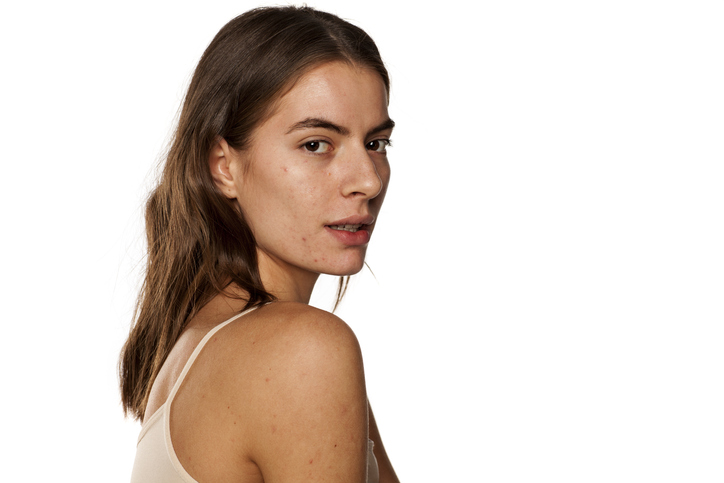
Redness can have several causes, and it helps to understand the difference. Some people naturally have more visible blood vessels, particularly around the nose and cheeks. Others experience temporary flushing in response to heat, exercise, alcohol or temperature changes.
However, persistent redness may be associated with rosacea, eczema, contact dermatitis or other inflammatory skin conditions. Redness can also develop when skincare products irritate the skin barrier, or when excessive exfoliation or environmental exposure triggers it. Many dermatologists are wary of harsh exfoliants you buy off the shelf, as they can be a key cause of redness for several reasons.
What might help? Identifying triggers and simplifying your skincare routine may reduce irritation. If redness is associated with visible blood vessels, we may consider vascular laser treatments after an assessment. Persistent redness should be evaluated to determine its cause before recommending treatment.
If your skin looks dull…
We often describe skin as looking dull when it appears less smooth or doesn’t reflect light as evenly as it once did. This may be related to dehydration, changes in surface skin cell turnover, uneven texture or the accumulation of dead skin cells. As we age, skin cell renewal can slow, contributing to changes in skin texture and appearance. Environmental exposure and inconsistent skincare can also contribute.
What might help? Regular moisturising, appropriate exfoliation and daily sun protection may improve the appearance of dull skin. Depending on individual skin concerns, you may consider treatments such as superficial skin peels or selected laser procedures. However, dullness alone is not necessarily a medical problem, and a complicated skincare routine isn’t always required.
If you’re noticing pigmentation…
Brown patches, freckles and uneven skin tone can develop for several reasons. UV exposure is a major contributor to pigmentation changes. Over time, repeated sun exposure can lead to freckles, solar lentigines (often called sunspots) and uneven pigmentation.
Hormonal changes can also influence pigment production. Melasma, for example, is associated with hormonal influences and can be aggravated by sunlight and visible light. Inflammation is another factor. Acne, eczema or skin injuries can leave darker areas behind, known as post-inflammatory hyperpigmentation.
What might help? Consistent sun protection is important, alongside identifying the type of pigmentation involved. Some pigmentation concerns may be managed with topical skincare or selected laser treatments, while others require more cautious management.
Importantly, a new or changing pigmented spot should not automatically be assumed to be a cosmetic concern. A dermatologist can assess whether it requires medical investigation.
If your pores seem larger…
Pores don’t actually open and close, despite what many skincare advertisements suggest. Several factors influence their appearance, including genetics, oil production, hair follicle size, and surrounding skin structure. As collagen and elastin change with age, the skin surrounding pores may become less supportive, making them appear more noticeable. Sun damage and uneven skin texture can contribute too.
What might help? Skincare that manages excess oil and supports normal skin cell turnover may improve how pores look. Some resurfacing treatments may also improve surrounding skin texture. Remember that pores are a normal and essential part of healthy skin. The aim isn’t to eliminate them, which isn’t possible, but to understand why they may look different.
If you’re noticing fine lines…
Fine lines can develop through a combination of facial movement, changes in collagen and elastin, reduced skin hydration and accumulated UV exposure. Some lines appear primarily when we smile, frown or raise our eyebrows. Others become visible when the face is at rest. Over time, the dermis, the layer beneath the skin’s surface, undergoes structural changes that can influence firmness, elasticity and texture.
What might help? Daily sunscreen is the best anti-ageing cream there is; appropriate skincare and moisturising can support skin health and help reduce the appearance of some fine lines. Depending on their cause and location, dermatological treatments may also be considered. However, fine lines are a normal part of ageing and don’t automatically require intervention.
If your skin feels thinner or more fragile…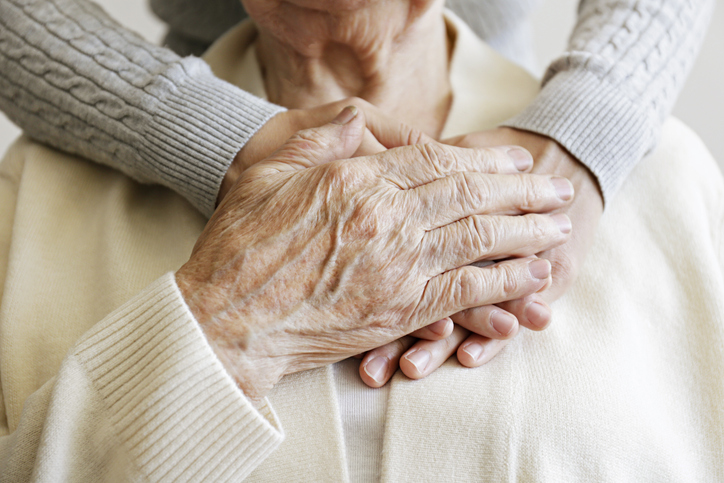
Skin naturally undergoes structural changes with age. The epidermis and dermis can become thinner, collagen production and organisation change, and the skin may become less resilient. Some people notice that their skin bruises more easily, takes longer to recover from minor injuries or feels more delicate.
Long-term UV exposure can accelerate some of these changes, particularly on frequently exposed areas such as the face, hands and forearms. Certain medications, including prolonged use of topical corticosteroids, may also contribute to skin thinning.
What might help? Gentle skincare, moisturising and sun protection can help protect fragile skin. If thinning, bruising or tearing develops unexpectedly, medical assessment is important to identify possible contributing factors.
If your skin suddenly becomes sensitive…
Have you ever used the same skincare product for years, only to find that it suddenly stings or causes redness? Skin sensitivity can change over time. A disrupted skin barrier, environmental changes, excessive exfoliation or the introduction of active skincare ingredients may all contribute. In some cases, sensitivity can develop because of an allergic reaction to an ingredient, even one you’ve previously tolerated.
What might help? Temporarily simplifying your skincare routine and avoiding suspected irritants may allow the barrier to recover. Persistent burning, itching, swelling or recurring reactions may warrant assessment for contact dermatitis or another skin condition. Introducing more active ingredients isn’t necessarily the solution. Sometimes, less skincare is better.
If you’ve noticed a change that won’t go away…
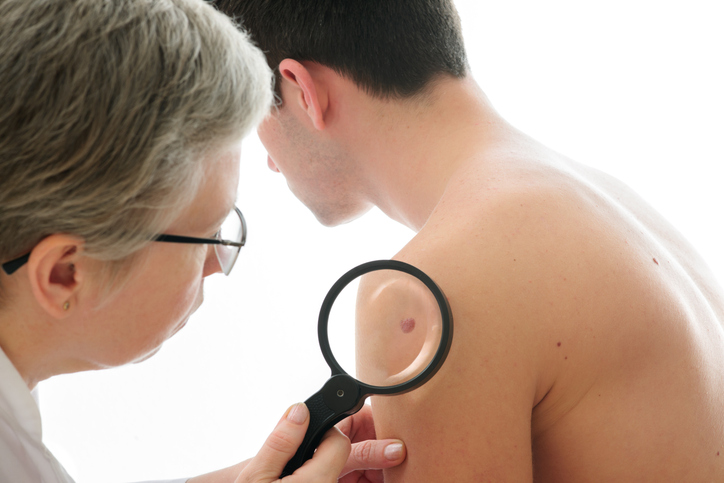
While many skin changes are harmless, some deserve medical attention. A spot that changes in size, shape or colour, a sore that doesn’t heal, unexplained bleeding or a persistent scaly patch should be assessed by a healthcare professional.
The same applies to a rash that continues to spread, recurring inflammation or symptoms that don’t improve with appropriate care. In Australia, where UV exposure contributes significantly to skin cancer risk, it’s particularly important not to dismiss new or changing lesions as simply signs of ageing. Men, please pay attention! You are at a higher risk of skin cancer than women for many reasons.
What might help? A dermatologist can examine the affected area, assess your medical history and determine whether further investigation or treatment is required. If a spot is suspicious or changing, arrange assessment promptly rather than waiting to see whether cosmetic skincare improves it.
If your skin changes around menopause…
Hormones influence many aspects of skin physiology, including hydration, oil production, collagen and wound healing. During perimenopause and menopause, declining oestrogen levels can contribute to changes in skin thickness, elasticity and moisture retention. Some women notice increased dryness, sensitivity or changes in facial skin texture. Others may experience acne or changes in pigmentation. These changes vary considerably between individuals and don’t necessarily occur at the same time.
What might help? Adjusting your skincare to accommodate increased dryness or sensitivity may help. A dermatologist can also assess concerns such as persistent acne, pigmentation or changes in skin quality and discuss suitable management options. Menopause is a normal life stage, and changes in skin appearance do not automatically require cosmetic treatment.
Understanding Your Skin Before Treating It
One of the most important things to remember is that similar-looking skin concerns can have very different causes. Redness might be temporary irritation or a chronic inflammatory condition. Pigmentation might reflect years of sun exposure, hormonal changes or a lesion requiring investigation. Dryness might respond to a simple moisturiser or need medical treatment. That’s why understanding the underlying cause is often more useful than choosing a product or procedure right away.
At ENRICH Clinic, we start by understanding your skin, medical history, and individual concerns. Where appropriate, a consultation can help determine whether skincare adjustments, dermatological treatment or further medical assessment may be beneficial. Not every skin change needs correction. Sometimes, understanding what’s happening is the most valuable first step.
Want to better understand your skin?
A consultation at ENRICH Clinic or The Dermatology Institute of Victoria provides an opportunity to discuss your skin concerns, understand potential causes and explore whether any treatment is appropriate for you.
Frequently Asked Questions
Why has my skin suddenly changed?
Sudden changes in skin appearance or sensitivity may be related to hormones, environmental conditions, skincare products, medications or underlying skin conditions. If the change is persistent, unexplained or accompanied by other symptoms, consider seeking medical advice.
Can your skin type change as you get older?
Yes. Although some skin characteristics are influenced by genetics, oil production, hydration, sensitivity and skin barrier function can change throughout life. Skin that was oily in your twenties may become noticeably drier with age.
How can I tell if my skin barrier is damaged?
Common signs of a disrupted skin barrier include dryness, tightness, flaking, redness and stinging when applying skincare products. These symptoms can also occur with other skin conditions, so persistent irritation may require assessment.
Are changes in skin texture normal with ageing?
Yes. Changes in collagen, elastin, hydration and skin cell turnover can affect texture as we age. However, sudden or unusual changes should not automatically be attributed to ageing.
Should I see a dermatologist or try new skincare first?
For mild dryness or temporary irritation, simplifying your skincare routine may be a reasonable first step. However, persistent redness, unexplained rashes, changing pigmented lesions, bleeding spots or non-healing sores should be medically assessed rather than managed with cosmetic products alone.
Does every visible sign of skin ageing need treatment?
No. Fine lines, changes in skin texture and reduced elasticity are natural aspects of ageing. Whether to consider treatment is a personal decision, guided by your concerns, skin health and the potential benefits and risks of any procedure.