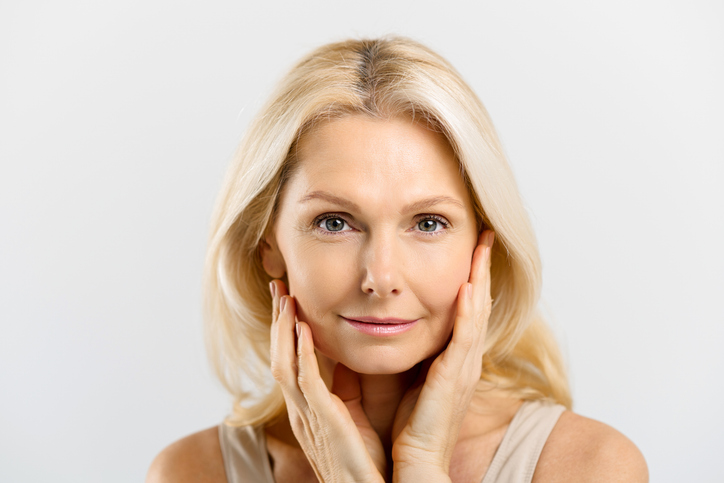
Skin Isn’t Flat, It’s Like a Mattress
When we look in the mirror, it is easy to think of our skin as a single surface. We see pigmentation, pores, fine lines, redness and changes in texture, so naturally we tend to think about treating what we can see. But skin isn’t flat. It is a complex, three-dimensional organ made up of different skin layers, fibres, fat compartments and supporting structures. In fact, it’s the largest organ in the body.
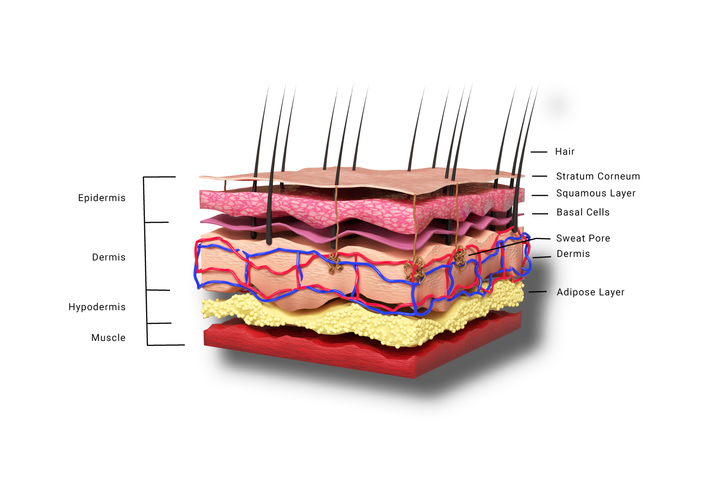 One simple way to picture the structure of the skin is to think of it a little like a mattress. It has a protective covering at the top, cushioning underneath, an internal network that provides strength and flexibility, and deeper support that helps everything maintain its structure.
Understanding this also helps explain why there are so many different types of dermatological and skin rejuvenation treatments. Different skin concerns can originate at different depths, so a treatment designed to address one structure may not necessarily address another.
The epidermis: the surface of our mattress
The epidermis is the outermost of the skin’s main layers. It acts as an important barrier between our body and the outside environment, helping prevent water loss and protecting us from environmental factors. The epidermis also contains melanocytes, the cells that produce melanin, which gives our skin its colour.
This makes the epidermis particularly relevant when discussing concerns such as some forms of pigmentation, sun-related changes, uneven skin tone and surface texture. Some treatments, including certain peels and laser or light-based treatments, may address concerns within or close to these superficial layers. The appropriate treatment and depth, however, depend on the condition being treated and the individual’s skin characteristics, including ethnicity and skin type.
The dermis: where much of the skin’s framework lives
Beneath the epidermis sits the dermis. The dermis is considerably thicker than the epidermis and contains blood vessels, nerves, hair follicles, sweat and sebaceous glands. Importantly, it is also where much of the skin’s collagen and elastin is found. If the epidermis is the covering on our mattress, the dermis is part of the internal framework and cushioning beneath it.
Changes in the dermis can contribute to changes in skin texture, firmness and the appearance of lines and wrinkles. This is why some skin rejuvenation treatments are designed to deliver energy below the epidermis rather than simply treating the visible surface.
Collagen: the skin’s support network
Collagen is one of the skin’s major structural proteins. It provides strength and support and forms an important part of the extracellular framework within the dermis. Think of collagen as some of the supportive fibres within our mattress. Collagen is continually produced and remodelled, but this process changes as we age. UV exposure and other environmental factors can also affect collagen structure over time.
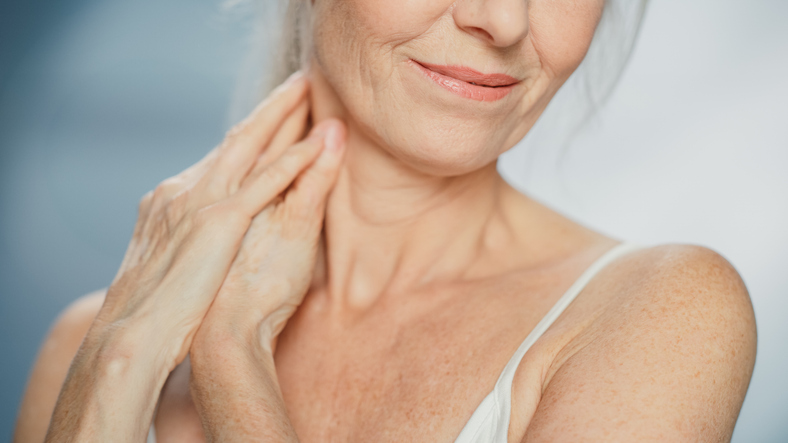
Some professional treatments are designed to create a controlled response within the skin that can stimulate tissue repair and collagen remodelling. Depending on the technology, this may include certain laser skin treatments, radiofrequency treatments or skin needling procedures.
This doesn’t mean that every collagen-targeting treatment is appropriate for everyone, or that a particular outcome can be guaranteed. Treatment selection depends on factors including skin type, medical history, the concern being addressed and the depth of the tissue involved.
Elastin: helping skin stretch and return
Alongside collagen is another important structural protein: elastin. As its name suggests, elastin helps the skin stretch and return to its original position. Collagen provides strength, while elastin contributes flexibility and elasticity.
Ageing and cumulative UV exposure can alter these fibres over time. Changes to collagen and elastin are therefore part of the broader structural changes we see in ageing skin rather than something occurring only on its surface. This is also why skincare applied to the epidermis and treatments targeting deeper tissue shouldn’t necessarily be thought of as doing the same job.
Beneath the skin: the fat pads
Under the epidermis and dermis is the subcutaneous layer, which contains fat, connective tissue, nerves and larger blood vessels.In the face, fat is distributed into different compartments or facial fat pads. These help provide cushioning, contour and structural support.
Facial ageing isn’t simply about developing wrinkles. The distribution and volume of facial fat can also change over time, contributing to changes in facial shape and contour. In mattress terms, the outer covering may remain intact while the cushioning underneath changes.
Deeper again: support structures, muscles and bone
Skin doesn’t exist independently of everything beneath it.
Deeper facial anatomy includes connective tissue, retaining ligaments, fascia, muscles and bone. Together these structures help form the underlying architecture of the face.
These structures also change over time. Bone remodels, fat distribution can shift, and repeated muscle movement continues to influence the tissues above. This is why facial ageing is a three-dimensional process. What we see at the surface can sometimes reflect changes occurring much deeper underneath.
Suggested DIV internal link: Link facial ageing to DIV’s Anti-Ageing & Rejuvenation information.
Why do skin treatments work at different depths?
Once you understand the different layers of the skin, it becomes easier to understand why dermatology clinics use different technologies for different concerns.
A treatment targeting a superficial pigmentation concern may need to work at a different depth from a treatment intended to influence dermal collagen. Similarly, treatments aimed at deeper tissues address different structures.
Depending on the individual concern, treatment options may include chemical peels, lasers, skin needling, radiofrequency or other energy-based technologies. Different laser wavelengths and technologies can also target different areas within the skin. For example, ENRICH offers a range of laser technologies and treatments rather than relying on one device for every skin concern.
Deeper doesn’t mean better A treatment reaching deeper into the skin isn’t automatically more effective. The appropriate depth depends on what is being treated. Pigmentation, redness, texture changes, scarring, collagen changes and changes to deeper facial structures can involve very different anatomical targets. Treating the wrong layer may not address the underlying concern and may expose someone to unnecessary treatment or risk. This is one reason a consult before cosmetic or dermatological treatment is important.
Why one treatment can’t necessarily do everything
The mattress analogy also explains why one procedure may not address every aspect of skin ageing. Pigmentation can involve pigment at different levels of the skin. Redness may involve superficial blood vessels. Changes in texture can involve the epidermis and dermis. Reduced firmness may relate to collagen, elastin and deeper structures.
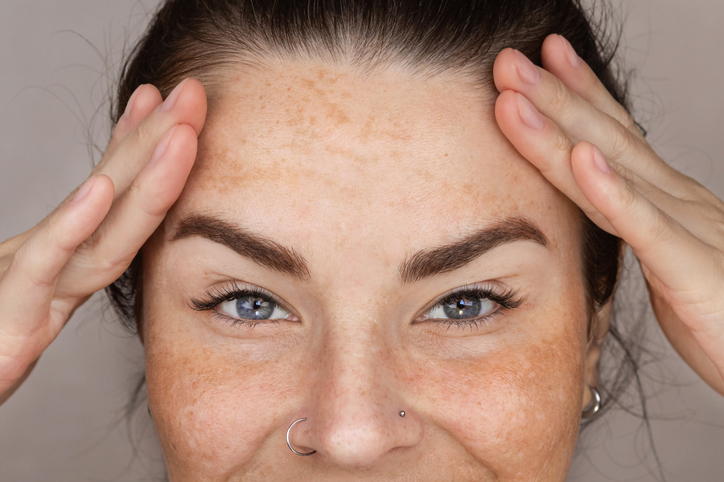
Sometimes different concerns may therefore require different approaches or a staged treatment plan. This doesn’t mean that everyone needs multiple treatments. Rather, it highlights why treatment should be based on the individual concern and clinical assessment, not on selecting a procedure simply because it is popular or new.
Start with the skin, not the machine
Instead of beginning with “Which treatment should I have?”, a more useful question may be:
“What is causing the change I can see, and which layer or structure is involved?”
At ENRICH Clinic and the Dermatology Institute of Victoria, a consultation provides an opportunity to assess your skin, discuss your concerns and medical history, and consider whether treatment is appropriate. If treatment is considered, we discuss the options, expected outcomes, risks, possible side effects, and recovery requirements before you decide whether to proceed.
Because when it comes to your skin, what you see on the surface is only one layer of the story.
Book a consult with one of our team at ENRICH Clinic & DIV today.
FAQS
What are the main layers of the skin?
The skin has three main layers: the epidermis, dermis and subcutaneous tissue. The epidermis forms the protective outer surface, while the dermis underneath contains structures including blood vessels, hair follicles, collagen and elastin. The deeper subcutaneous layer contains fat and connective tissue that provide cushioning and support. Beneath these layers are additional structures including fascia, muscles, ligaments and bone.
What is the difference between the epidermis and dermis?
The epidermis is the outermost layer of the skin and plays an important role in protecting the body and regulating water loss. It also contains melanocytes, which produce melanin. The dermis sits underneath and contains much of the skin’s collagen and elastin, along with blood vessels, nerves, hair follicles and glands. Because different skin concerns can originate in either layer, treatments may need to target different depths.
Which layer of the skin contains collagen and elastin?
Most of the skin’s collagen and elastin fibres are found within the dermis. Collagen contributes strength and structural support, while elastin helps the skin stretch and return towards its original position. Ageing, UV exposure and other factors can affect these fibres over time, contributing to changes in skin texture, thickness, firmness and elasticity.
How deep do skin rejuvenation treatments go?
There is no single treatment depth for skin rejuvenation treatments. Some treatments work primarily at or close to the skin’s surface, while others are designed to deliver energy into the dermis or deeper tissues. Lasers, skin needling, radiofrequency and other energy-based technologies can therefore have different targets and treatment depths. The appropriate treatment depends on the skin concern, individual skin characteristics and clinical assessment.
Do deeper skin treatments work better?
Not necessarily. Deeper doesn’t automatically mean better. The important consideration is whether a treatment reaches the appropriate structure for the concern being addressed. For example, a superficial pigmentation concern may require a very different approach from a treatment intended to influence dermal collagen. Using greater treatment depth or intensity than necessary can also increase risks and recovery time.
Why might I need more than one type of skin treatment?
Different concerns can involve different layers and structures of the skin. Pigmentation, redness, scarring, texture, collagen changes and changes in deeper facial tissues do not necessarily have the same cause or treatment target. For some people, a practitioner may recommend a staged approach or different treatments for different concerns. Others may not require treatment at all. A consultation allows the skin and underlying concern to be assessed before an individual treatment plan is considered.