The most visible difference between skin types is colour, but skin type involves much more than pigmentation alone. Genetics can influence characteristics such as skin barrier function, natural oil production, moisture retention, sensitivity and the way skin responds to inflammation, ultraviolet (UV) exposure and cosmetic treatments.
Every person’s skin is unique, regardless of their ethnic background. While certain skin characteristics may be more common in some populations, there is considerable variation between individuals. This is why cosmetic and dermatological treatments should always be based on a thorough assessment of your individual skin rather than ethnicity alone, as some procedures and technologies may be more appropriate for certain skin types than others.
What are ethnic skin types?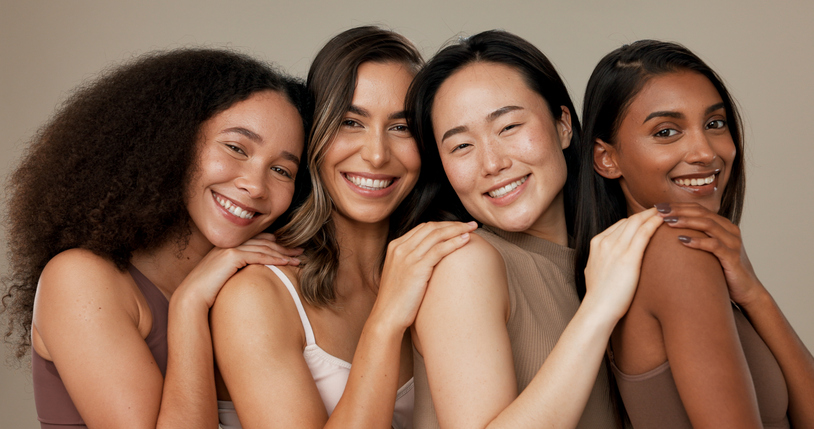
When discussing ethnic skin types, dermatologists generally refer to differences in skin structure, pigmentation, barrier function, response to UV exposure, and the tendency to develop certain skin conditions or pigmentary changes. These characteristics can influence how skin responds to ageing, injury and cosmetic procedures.
It is important to remember that these are broad patterns rather than fixed rules. There is significant genetic diversity within every ethnic group, meaning two people with a similar skin tone may have very different skin characteristics and treatment considerations. Understanding these differences helps inform treatment planning and supports a more individualised approach to skin care.
The Past
Historically, much of the research underpinning cosmetic dermatology and many early treatment technologies was developed using predominantly lighter skin types. As a result, there was less evidence available to guide treatment in people with darker skin tones or those from more diverse ethnic backgrounds. Fortunately, this has changed considerably over recent years. Research is becoming increasingly inclusive, and advances in technology have expanded the range of treatment options available across a broader spectrum of skin types.
At the same time, attitudes towards cosmetic treatments have also evolved. Rather than aiming to change a person’s appearance or achieve a single beauty ideal, modern cosmetic medicine increasingly focuses on maintaining healthy skin, supporting natural-looking results and respecting the diversity of individual features. Treatment planning is now centred on the individual, recognising that every person’s skin is unique and that there is no one-size-fits-all approach.
Understanding skin colour
Human skin colour is determined by a combination of naturally occurring pigments and blood flow within the skin. The four main contributors are melanin, carotene, haemoglobin and oxyhaemoglobin, with the amount and distribution of each varying from person to person.
Melanin is the primary pigment responsible for the wide range of brown and black skin tones seen across different populations, while carotene contributes yellow-orange hues. Haemoglobin and oxyhaemoglobin, found within blood vessels, influence the pink and red tones often seen in lighter skin.
Although people are often grouped into broad ethnic or racial categories, skin colour exists on a spectrum. There is considerable variation both between and within populations, meaning two people of the same ethnic background may have very different skin tones and skin characteristics. This diversity is one of the reasons why cosmetic and dermatological treatments should always be based on an individual assessment rather than skin colour alone.
Photo-ageing and the influence of skin colour
Ageing is a natural process that affects everyone, but the way it appears can vary depending on skin type and cumulative sun exposure. One of the factors influencing these differences is melanin, the pigment produced by specialised skin cells called melanocytes.
Melanin absorbs some ultraviolet (UV) radiation, providing a degree of natural protection against sun damage. People with darker skin generally have higher levels of melanin, which may delay some visible signs of photo-ageing, such as fine lines and wrinkles. In contrast, lighter skin, which contains less melanin, may develop signs of sun damage, including freckles, pigmentation changes and wrinkles, at an earlier age.
However, no skin type is immune to the effects of UV radiation. Regardless of skin colour, repeated sun exposure contributes to premature skin ageing and increases the risk of skin cancer. Daily sun protection remains one of the most effective ways to help reduce cumulative UV damage and maintain long-term skin health.
Differences in skin structure
In addition to differences in skin colour, there are subtle variations in skin structure and function between different populations. These may include differences in skin barrier function, moisture content, oil production and the tendency to develop certain skin conditions. However, there is also considerable variation between individuals, so these observations should be viewed as general trends rather than rules.
Dermatologists also commonly use the Fitzpatrick Skin Type Scale, which classifies skin according to how it responds to ultraviolet (UV) exposure, ranging from Type I (very fair skin that burns easily) to Type VI (deeply pigmented skin that rarely burns).
Research suggests:
- Lighter skin is generally more likely to develop visible signs of sun damage, including freckles, pigmentation changes, fine lines and wrinkles, particularly with cumulative UV exposure.
- Darker skin often shows visible signs of photo-ageing later but may be more prone to developing post-inflammatory hyperpigmentation following injury or inflammation.
- Some studies suggest darker skin has a stronger skin barrier and higher natural oil production, although individual variation is common.
- Asian skin has been reported to have lower natural moisturising factors and may be more susceptible to skin sensitivity and irritation from environmental factors or certain skincare products.
- Increased oil production and larger pore size have been described in some populations of African ancestry, while dry, ashy skin may occur due to differences in the way the outer layer of skin naturally sheds.
- Skin sensitivity occurs across all skin types, although the factors that trigger irritation or inflammation may differ from person to person.
While these differences are recognised in dermatology, they do not determine how an individual’s skin will behave. Age, genetics, lifestyle, medical conditions, medications, previous sun exposure and skincare habits all contribute to skin health and are considered alongside skin type when assessing treatment options.
How does skin type impact cosmetic treatments?
Your skin type is an important consideration when selecting cosmetic and dermatological treatments. Factors such as skin colour, underlying pigmentation, sensitivity, barrier function and a tendency to develop post-inflammatory pigmentation can all influence which procedures may be appropriate.
This is particularly important when using energy-based devices such as lasers and intense pulsed light (IPL). Different technologies work by targeting specific structures within the skin, such as pigment or blood vessels. Selecting the appropriate device, wavelength and treatment settings helps target the intended concern while minimising the effect on surrounding tissue.
For people with darker skin tones, additional care may be required when choosing laser treatments because higher levels of melanin can also absorb laser energy. This may increase the risk of unwanted pigmentation changes or burns if an inappropriate device or treatment setting is used. Fortunately, advances in laser technology and a better understanding of different skin types mean there are now more treatment options available for a wider range of skin tones than in the past.
Skin colour is only one consideration. Your cosmetic doctor will also consider factors such as your age, medical history, current medications, previous treatments, sun exposure, skin sensitivity and the condition being treated before discussing suitable management options.
As research in cosmetic dermatology has expanded, our understanding of how different skin types respond to treatment has also improved. This has contributed to the development of a broader range of technologies and techniques designed to address different skin concerns across diverse populations. Today, treatment planning is increasingly focused on the individual rather than a one-size-fits-all approach, recognising that every person’s skin is unique.
Advances in cosmetic dermatology
Our understanding of how different skin types respond to cosmetic treatments has grown considerably over recent decades. As research has become more inclusive, clinicians have gained a better understanding of the unique characteristics of different skin types and how these may influence treatment planning.
At the same time, cosmetic technologies, treatment techniques and clinical protocols have continued to evolve. This has increased the range of treatment options available for many skin concerns across a broader range of skin tones.
Modern cosmetic dermatology places greater emphasis on individual assessment rather than a one-size-fits-all approach. Skin colour is one consideration, but factors such as age, sun exposure, existing skin conditions, lifestyle and medical history are equally important when determining whether a particular treatment may be appropriate.
Skin type is about more than ethnicity
While ethnicity is an important consideration, it is only one of many factors that influence the appearance and behaviour of your skin. People within the same ethnic group can have very different skin characteristics, concerns and responses to treatment.
Age is another important consideration. As we get older, collagen and elastin naturally decline; the skin may become thinner or drier, and concerns such as pigmentation, fine lines, uneven texture and changes in skin elasticity can become more noticeable. These age-related changes may influence the range of management options that are appropriate for an individual.
Other factors, including sun exposure, previous skin conditions, hormonal influences, medications, skincare routine, and general health, can also affect the skin and its response following a cosmetic procedure.
For this reason, cosmetic treatments are not selected based on skin colour or ethnicity alone. A consultation allows your cosmetic doctor to assess your skin, discuss your concerns and explain the treatment options that may be appropriate for your individual circumstances.
Individual assessment is the key
While research helps us understand general differences between skin types, every person’s skin is unique. Two people with similar skin colour may respond differently to the same treatment because of differences in genetics, age, skin health, previous sun exposure, medications or underlying skin conditions.
For this reason, treatment decisions are based on an individual assessment rather than ethnicity or skin colour alone. A consultation provides an opportunity to examine the skin, discuss your concerns and explain the management options that may be appropriate for your individual circumstances, including the potential benefits, limitations and risks of treatment.
Understanding your skin type is an important part of providing personalised skin care, but it is only one piece of the overall picture. A comprehensive assessment helps ensure that any treatment plan takes into account your skin characteristics, medical history and treatment goals.
Finding the right dermatologist for your skin type. At ENRICH Clinic in Melbourne and the Dermatology Institute of Victoria, our team are no strangers to all kinds of skin. We’re happy to take your questions on our experience levels with your skin type and condition. We believe in good skin health.
Get in touch to book a consultation.
ENRICH Clinic