The Skin Microbiome
We have spent years being told that good skincare means keeping our skin exceptionally clean: cleanse thoroughly, exfoliate away dead cells, remove oil and scrub away impurities. But what if constantly trying to make our skin “cleaner” can sometimes interfere with an environment that is supposed to be there?
Our skin is not sterile — and it isn’t meant to be.
A complex community of microscopic organisms lives across its surface, known collectively as the skin microbiome. These include mainly bacteria, along with fungi, viruses and other microorganisms. Rather than automatically being harmful, many form part of the skin’s normal protective ecosystem.
Think of it a little like the gut microbiome, but for your skin.
What exactly is the skin microbiome?
A microbiome is defined as the community of microscopic living things, including bacteria, viruses, and fungi, that live together in a specific environment
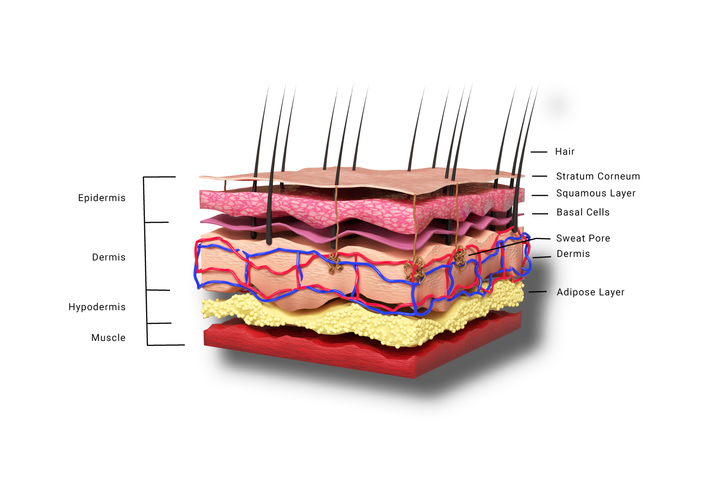
The skin microbiome describes the microorganisms living on and within the different environments of our skin. Different areas of the body provide different habitats. An oily forehead, for example, provides quite a different environment from the dry skin of the forearm or a warm, moist underarm. Research increasingly suggests that these microorganisms interact with the skin barrier and immune system, contributing to the complex processes that help maintain healthy skin.
Importantly, there probably isn’t one universally “perfect” microbiome. The microbial communities found on our skin can vary according to body location and between individuals. Age, genetics, hormones, environment, skincare habits and other factors may all play a part.
What does the microbiome actually do?
One of the microbiome’s most interesting roles is its relationship with the skin’s natural defences.
Healthy skin has several overlapping protective systems. The physical skin barrier helps reduce water loss while limiting exposure to potentially harmful substances and microorganisms. The immune system identifies and responds to threats. The microorganisms already living on our skin can also interact with this environment.
Together, these systems help maintain what scientists call skin homeostasis, essentially the skin’s ability to maintain a relatively stable and functional environment. This is why it can be misleading to think of bacteria on the skin as something that simply needs to be eliminated. Some microorganisms can cause problems in certain circumstances, but many are normal residents of healthy skin.
The skin barrier and microbiome are closely connected
The microbiome and skin barrier should not really be considered completely separately. The barrier provides the physical and chemical environment in which skin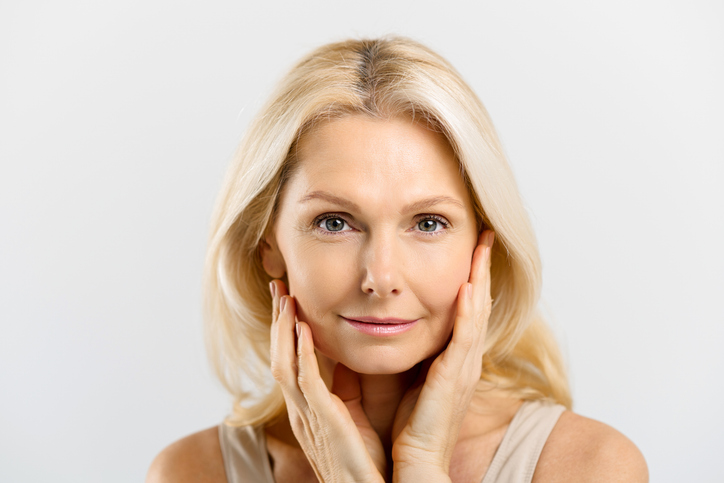 microorganisms live, while those microorganisms can interact with the barrier and immune system.
When the skin barrier becomes disrupted, people may notice dryness, tightness, flaking, redness or increased sensitivity. Changes in the skin’s environment can also affect its microbial communities.
This doesn’t mean every episode of dry or irritated skin is caused by an “unbalanced microbiome”. Skin symptoms have many possible causes, and the science around exactly what constitutes an unhealthy skin microbiome is still developing.
Can you actually over-clean your skin?
Potentially, yes, particularly if cleansing is combined with frequent exfoliation or products that repeatedly irritate the skin.
Cleansers have an important role in removing sunscreen, makeup, excess sebum and environmental debris. Exfoliation can also be useful for appropriate skin types and concerns. The issue isn’t that cleansing or exfoliating is inherently bad; it is that more isn’t necessarily better.
Repeated use of harsh cleansers, strong exfoliating acids, scrubs or multiple active products may disturb the skin barrier in some people. If your skincare routine regularly leaves your face feeling tight, burning, very dry or persistently irritated, it may be worth reassessing what you are using rather than simply adding another product. You will often find that your dermatologist isn’t a fan of over-the-counter exfoliants and scrubs, as they can be very harsh on the skin and cause issues. It’s best to ask your dermatologist’s thoughts and get a proper skin assessment for your specific skin.
Do age and hormones change our skin microbiome?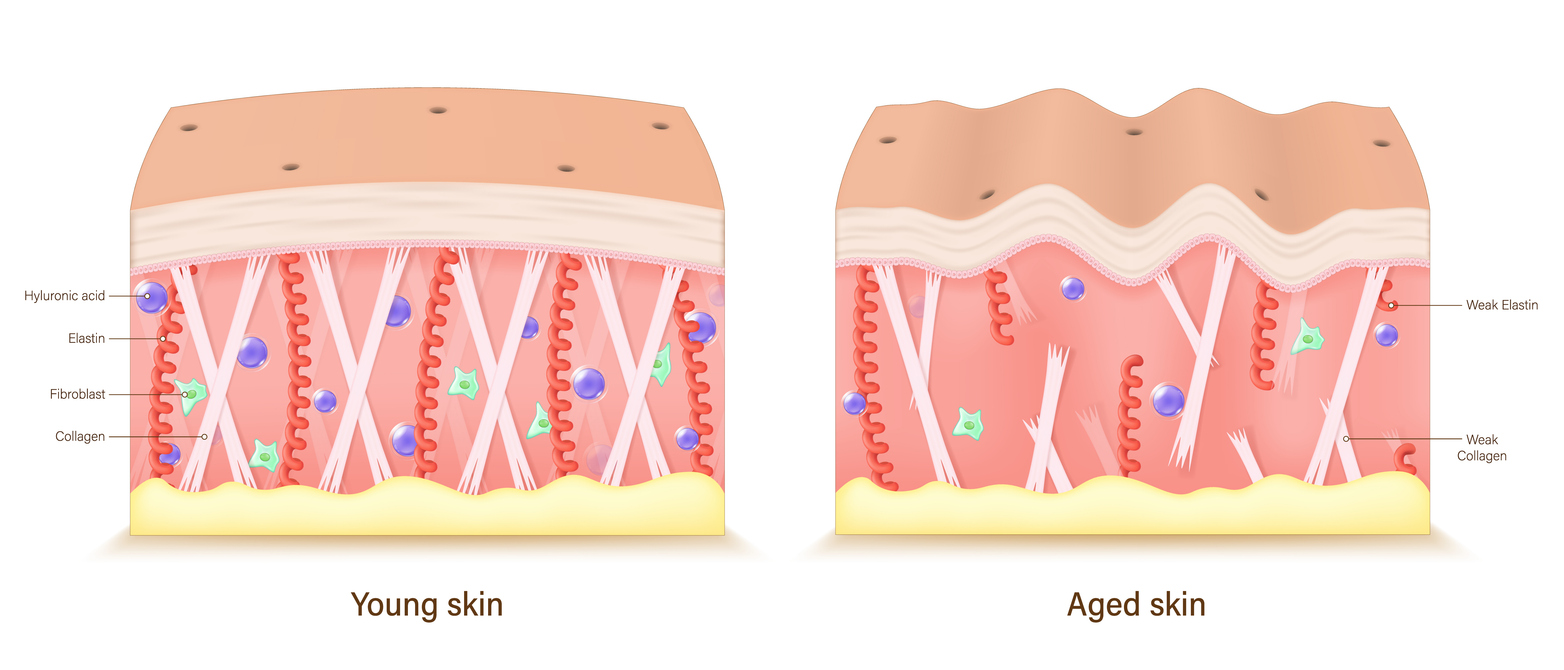
Our skin changes throughout life, so it makes sense that the environment supporting its microorganisms changes too. Sebum production, hydration, skin thickness and hormone levels change from childhood through puberty and adulthood and again as we age. Menopause, for example, is associated with hormonal changes that can affect hydration, collagen, elasticity and the skin barrier.
Research is also exploring age-related differences in microbial diversity and composition, especially in the gut microbiome. However, microbiome science is still evolving, and we should be cautious about suggesting that manipulating the microbiome can somehow stop or reverse skin ageing.
What about living in Australia?
Australian skin has plenty to contend with. High levels of UV exposure, hot weather, air conditioning, swimming in chlorinated or salt water and periods of dry weather can all influence the skin and its barrier.UV protection remains one of the most important things we can do for long-term skin health. At ENRICH Clinic and DIV, we talk about this all the time. It can help reduce cumulative sun damage, pigmentation changes and premature skin ageing.
Supporting the skin barrier through appropriate cleansing, moisturising and sun protection may also help maintain the environment in which the skin microbiome exists. Simple routines are the best as they are the easiest to remember and the most convenient to do. The key point is that microbiome care should not distract from established skin-health measures, particularly sun protection in Australia.
Can cosmetic treatments affect the microbiome?
Some professional skin procedures intentionally interact with or temporarily disrupt the skin surface or barrier as part of their mechanism of action. These can include certain laser resurfacing treatments, chemical peels and skin needling procedures.
This doesn’t necessarily make them harmful to the microbiome. Rather, it reinforces why treatment choice, preparation and aftercare matter.
At ENRICH Clinic and the Dermatology Institute of Victoria, different technologies may be considered for concerns such as pigmentation, sun damage, texture and age-related skin changes. Some procedures target pigment, some stimulate collagen remodelling, while others resurface particular layers of the skin.
The appropriate treatment depends on the concern being addressed, skin type, medical history and other individual factors. A consultation also provides an opportunity to discuss skincare and how to look after the skin barrier before and after a procedure.
What does “microbiome-friendly skincare” actually mean?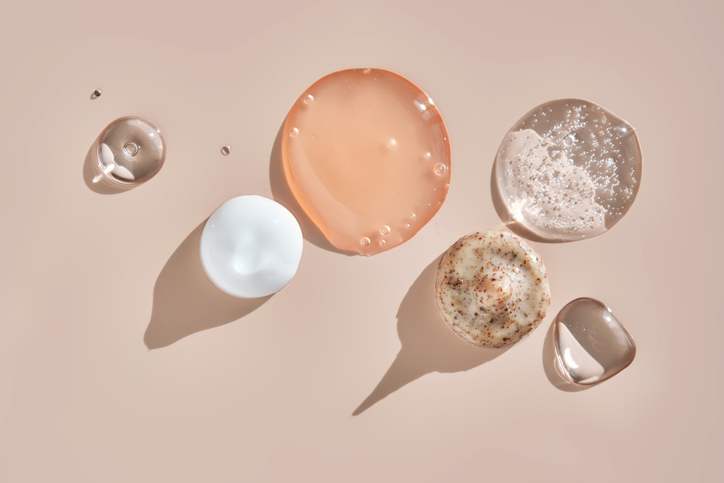
This is where science and skincare marketing can become difficult to separate. “Microbiome-friendly” is increasingly appearing on product labels, but it doesn’t automatically mean that a product has been clinically proven to improve your individual skin microbiome.Got to be careful of those pesky marketing terms!
You may also see products promoted as probiotic, prebiotic, postbiotic or fermented skincare. Probiotics generally refer to live microorganisms, while prebiotics are substances intended to support certain microorganisms. Postbiotics are microbial components or products derived from microorganisms.
Formulating genuinely probiotic skincare is particularly complicated because keeping live microorganisms stable inside a cosmetic product presents practical challenges. Many products marketed around the microbiome therefore contain microbial extracts, ferments or other ingredients rather than live probiotics.
Promising research into microbiome-directed skincare is emerging, but the evidence is still developing. Recent scientific reviews have highlighted both the potential of these ingredients and the need for better standardisation, larger clinical studies and clearer definitions of microbiome-related cosmetic claims.
So, if a cream promises to completely “reset”, “rebuild” or “restore” your microbiome, a little healthy scepticism is reasonable.
Can you repair your skin microbiome?
At this stage, it may be more accurate to talk about supporting a healthy skin environment than “repairing” or “resetting” the microbiome. That can mean surprisingly simple things: avoiding unnecessary over-cleansing, using skincare appropriate for your skin, protecting it from UV exposure, maintaining hydration and giving an irritated skin barrier time to recover. It also means recognising when irritation isn’t simply a skincare issue.
Persistent redness, itching, burning, scaling, acne-like eruptions or ongoing sensitivity can have many causes, including dermatological conditions. Rather than continuing to experiment with more products or trying to diagnose a “damaged microbiome” yourself, have persistent symptoms professionally assessed.
Your skin is an ecosystem, not a blank surface
The emerging science of the skin microbiome is changing the way we think about healthy skin. Rather than seeing the skin as a surface that constantly needs to be stripped, scrubbed and sterilised, we can think of it as a living ecosystem in which the barrier, immune system and microorganisms coexist.
That doesn’t mean abandoning cleansers, active skincare or professional treatments. It means using them thoughtfully.
At ENRICH Clinic and the Dermatology Institute of Victoria, a consultation can help assess your skin, identify the specific concerns you want to address, and determine whether skincare, treatment, or further dermatological assessment may be appropriate. Treatment recommendations should always be based on the individual, not the latest skincare trend.
Healthy skin isn’t sterile skin, and sometimes supporting it may involve doing a little less, rather than continually adding more.