Combining Treatments: Why a Layered Approach Can Help You Get More From Your Skin Plan
Most people are looking for a single solution—one treatment, one product, one quick fix. In reality, skin doesn’t work like that.
 Concerns such as pigmentation, redness, laxity, breakouts, and texture changes are usually influenced by multiple factors happening at different levels of the skin. That’s why a more considered, combination approach is often recommended.
At Dermatology Institute of Victoria and ENRICH Clinic, treatment plans are rarely built around just one modality. Instead, they’re layered, combining in-clinic treatments with targeted at-home skincare such as Script Skincare, to support the skin from multiple angles.
While no treatment can guarantee outcomes, combining the right approaches can often enhance overall skin quality and help you work toward your skin goals more effectively over time.
Why Combining Treatments Makes Sense
Skin is a complex organ (and the largest in the body), composed of multiple layers, each playing a distinct role.
Different treatments work at different depths and target different processes, such as:
- Pigment production
- Blood vessels and redness
- Collagen and elastin support
- Oil production and inflammation
- Surface texture and hydration
A single treatment may improve one of these areas—but combining treatments allows you to address several at once.
What a Combination Approach Can Offer
A layered approach to skin treatments can:
- Support improvements across multiple concerns
- Help maintain consistency in skin quality
- Complement how different treatments perform
- Provide a more structured pathway toward your skin goals
Rather than relying on one treatment to do everything, combination plans recognise that skin responds best to a coordinated approach.
How Combination Treatment Plans Are Built
A well-structured skin plan isn’t about doing more—it’s about doing what works, in the right order. At clinics like ENRICH and DIV, treatment plans are typically developed in stages:
Assessment
Understanding your skin condition, history, triggers, and goals.
Foundation
Establishing a consistent skincare routine to support the skin barrier and prepare for treatments.
Correction
Introducing in-clinic treatments to address specific concerns such as pigmentation, laxity, or redness.
Maintenance
Supporting results over time with lighter treatments and ongoing skincare. Each of these layers plays a role, and when combined, they can work together to support overall skin health.
Where Laser Treatments fit in and what treatments are a good support.
Laser and energy-based treatments are commonly used to address:
- Pigmentation and sun damage
- Fine lines and wrinkles
- Acne scarring
- Uneven tone and texture
Available options across ENRICH and DIV include fractional lasers, CO₂ resurfacing, Tixel®, and Pico/Piqo technologies.
Why Combine With Maintenance Treatments?
Laser treatments can create changes within the skin, particularly at deeper levels. However, without ongoing support, results may not be maintained as effectively. Maintenance treatments—such as hydrating facials, LED therapy, or light resurfacing—help support the skin between more intensive procedures.
How This Works Together
- Laser treatments help target deeper structural or pigment concerns
- Maintenance treatments support recovery and skin function
- Skincare helps maintain consistency
This combination allows the skin to be treated and supported over time, rather than relying on a single intervention.
Skin Tightening + Collagen Support Treatments – why do both matter?
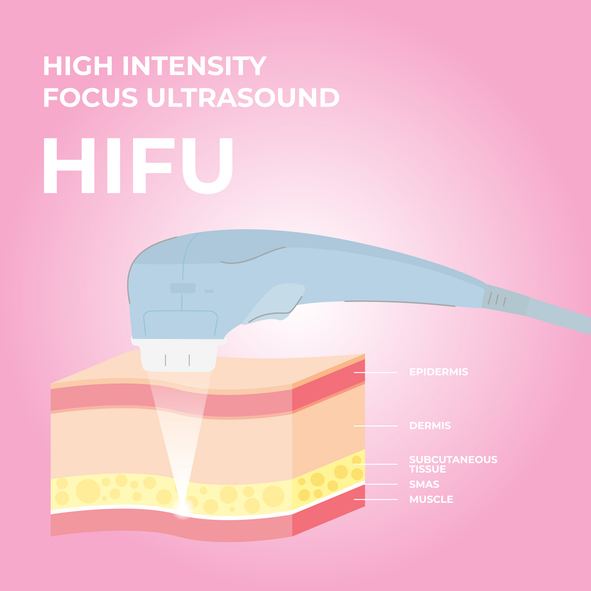
As skin changes over time, loss of firmness and structure can become more noticeable.
Technologies available at ENRICH and DIV include:
- HIFU (Ultraformer)
- RF microneedling (e.g. Secret RF)
- Other energy-based tightening treatments
Why Combine These?
Different technologies work at different depths:
- Some target deeper structural layers
- Others focus on improving skin texture and quality
Using them together allows for a more comprehensive approach.
Example Approach
- Initial treatment: deeper structural support (e.g. HIFU)
- Follow-up treatments: RF microneedling or similar
- Ongoing skincare: ingredients that support collagen and hydration
This layered approach can help address both the structure and surface of the skin over time.
Same-day example treatments
Most of the downtime treatments can be combined and performed on the same day, depending on patients’ needs. We often suggest combining a Gensis Treatment with and LED treatment after , or a EmFace Treatment with a Glycolic Peel.
Pigmentation or Redness Treatments – why this is almost never one step
Conditions such as pigmentation and rosacea often require a combination approach. Treatments options available include:
- Vascular lasers (e.g. Excel V)
- Pigment-targeting lasers
- Dermatology-led treatment plans
Why Add Skincare?
While in-clinic treatments can target visible concerns, skincare helps support the skin between treatments and may help maintain results.
Products from Script Skincare may include:
- Vitamin A derivatives
- Brightening agents
- Barrier-support formulations
How They Work Together
- Laser treatments address visible pigment or redness
- Skincare helps support skin function and maintenance
- Sun protection is essential to help prevent recurrence
This combination is particularly important for conditions that require ongoing management rather than a one-off solution.
Resurfacing + Hydration + Barrier Support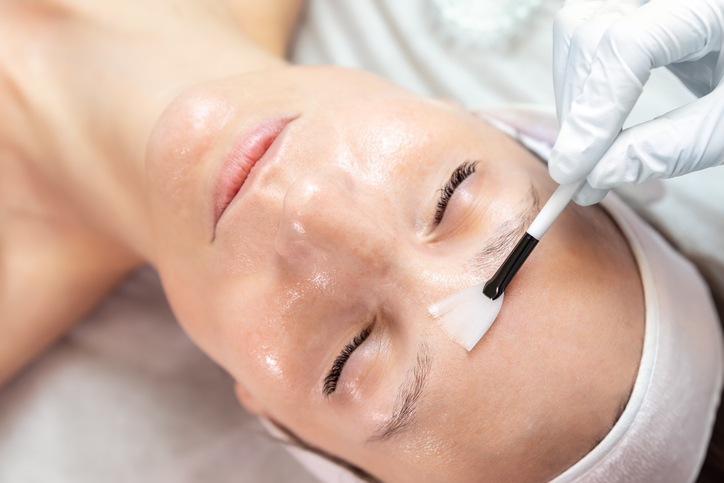
Skin texture, dullness, and congestion are common concerns and often benefit from a combined approach.
Treatments suggested include:
- Chemical peels
- Microdermabrasion
- Hydrafacial
- LED therapy
Why Combine These?
Each treatment plays a different role:
- Resurfacing treatments help improve texture and remove buildup
- Hydration treatments support moisture and skin function
- Barrier-support skincare helps maintain balance and reduce sensitivity
Example Plan
- Periodic resurfacing treatments
- Regular hydration-focused treatments
- Consistent daily skincare
This approach focuses on improving overall skin quality rather than targeting a single issue.
The Role of At-Home Skincare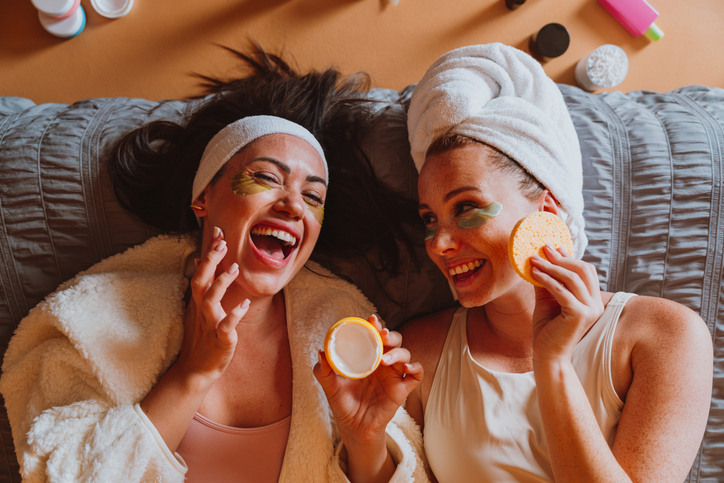
In-clinic treatments are only part of the picture. What you do daily has a significant impact on how your skin responds. Consistent skincare using products such as Script Skincare can:
- Prepare the skin for treatments
- Support recovery
- Help maintain results
- Improve overall skin function
A Typical Routine May Include:
- Gentle cleansing
- Active ingredients (e.g. Vitamin A, antioxidants)
- Hydration and barrier repair
- Daily sun protection
Without a consistent routine, results from in-clinic treatments may be harder to maintain.
Timing Matters: Not Everything Happens at Once
Combination treatments don’t mean having everything done in one visit. In most cases:
- Treatments are spaced over time
- Some are used as maintenance between others
- Skincare is adjusted depending on your treatment plan
This staged approach allows the skin to respond appropriately and reduces the likelihood of over-treatment.
A Personalised Plan Is Key
Every skin is different, and treatment plans should reflect that. At Dermatology Institute of Victoria and ENRICH Clinic, plans are typically tailored based on:
- Skin type and condition
- Medical history
- Lifestyle factors
- Tolerance for downtime
- Individual goals
What works well for one person may not be suitable for another.
Managing Expectations
It’s important to approach any treatment plan with realistic expectations.
- Results vary between individuals
- Multiple sessions may be required
- Improvements are often gradual
- Maintenance is usually needed
A combination approach may enhance overall results compared to a single treatment, but it is not a quick fix. It’s a longer-term strategy focused on improving skin health over time.
Bringing It All Together
Combining treatments isn’t about doing more—it’s about doing what works together. Discuss with us how a structured plan can help simplify your approach.
By layering:
- Targeted in-clinic treatments
- Maintenance therapies
- Consistent skincare
…you can create a more structured and effective approach to improving your skin.
The goal is not perfection, but healthier, more resilient skin that continues to improve with the right support.