Can a Skin Clinic Help You with Those Veins?
Spider veins, varicose veins, and broken capillaries are common concerns that many Australians want to address. Whether it’s for cosmetic reasons or comfort, visible veins can sometimes signal deeper issues. But when should you consider visiting a dermatology or medical skin clinic for vein treatment, and which options are effective?
At Enrich Clinic and the Dermatology Institute of Victoria (DIV) in Melbourne, our doctors provide evidence-based vein treatments, including the Excel V laser system by Cutera and sclerotherapy—two of the most widely recognised and effective methods for dealing with unwanted veins.
Why Do Veins Become Visible with Age?
- Thinning skin and collagen decline – As we age, our skin loses elasticity and structure, making tiny blood vessels more visible. See Ageing Skin – Australasian College of Dermatologists (ACD).
- Repeated trauma or pressure – Everyday activities such as wearing glasses, scrubbing the face too harshly, or crossing legs for long periods can stress small blood vessels, causing them to dilate or break.
- Hormonal changes and pregnancy – Shifts in hormone levels, particularly during pregnancy, increase blood volume and pressure in superficial veins, contributing to telangiectasia (spider veins). See Telangiectases (Spider Veins) – ACD.
- Sun damage and UV exposure – Australia’s high UV index weakens vessel walls, making redness or veins more apparent. See Varicose veins and spider veins – Better Health Channel.
What Are Broken Capillaries? Are They Dangerous?

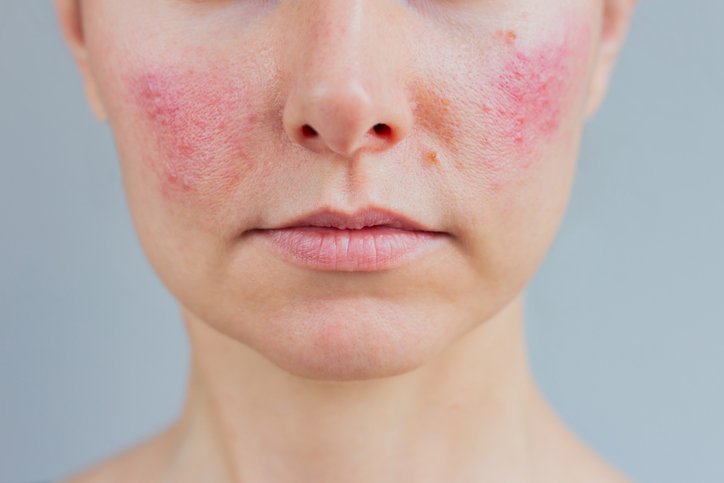
Broken capillaries—also called spider veins or thread veins—are tiny blood vessels just beneath the skin’s surface. They typically appear on the face, thighs, calves, or ankles, and show up as fine red, blue, or purple lines.
For most people, spider veins are primarily cosmetic and often blanch (fade) when pressed. However, if veins are accompanied by pain, swelling, heaviness, or skin changes, seek medical advice, as these can sometimes signal underlying venous insufficiency. See Varicose veins – Healthdirect and the ACD overview on Leg Veins.
Do Home Treatments Work?
There’s no shortage of home remedies advertised for spider veins—creams, vitamins, essential oils, even DIY massage devices. While some may provide temporary relief or reduce redness, they do not remove or significantly diminish visible veins.
- Cold compresses, Vitamin C, Vitamin K, and certain botanicals may calm inflammation.
- Lifestyle modifications—avoiding excess alcohol, heat, spicy foods, and excessive sun—may prevent existing veins from worsening. Long periods of sitting can also aggravate venous congestion; see The dangers of sitting – Better Health Channel.
- Exercise and weight management improve circulation and may reduce the risk of new vein formation.
Bottom line: only professional, medical treatments like vascular laser or sclerotherapy have proven, lasting results for removing spider veins and broken capillaries. See ACD’s section on Leg Veins and RACGP guidance on Varicose veins – assessment and management.
Professional Vein Treatment Options at Enrich & DIV
Excel V Laser
The Excel V laser is designed for facial veins, redness, and superficial vascular lesions. Using dual wavelengths (532 nm and 1064 nm), it targets both superficial and deeper vessels, safely heating and sealing them so that treated veins fade over several weeks. (See ACD’s discussion of laser options for telangiectasia.)
- Sessions typically 10–15 minutes
- Some discomfort with integrated cooling
- Results often visible after 1–2 treatments
- Minimal downtime—most people resume daily activities the next day
Sclerotherapy

For leg spider veins and small varicose veins, sclerotherapy is a long-standing, first-line option in Australia and worldwide. See the Australian Society of Plastic Surgeons (ASPS) overview on Sclerotherapy (Spider Veins) and ASPS patient leaflet (PDF).
How it works
- The skin is cleansed and legs positioned to elevate veins.
- A very fine needle injects a sclerosant solution directly into the vein.
- The solution irritates the vein wall, causing it to collapse.
- Over weeks, the body naturally reabsorbs the treated vein.
- Compression stockings are worn afterwards to support healing.
Treatment plan & results
- Usually 2–4 sessions, spaced 4–6 weeks apart
- Noticeable fading in 3–6 weeks; full results over several months
- Significant, lasting improvements in appearance and comfort
Possible side effects
Temporary bruising, redness, or pigmentation changes are common but settle. Other risks include allergic reactions or small clots—hence treatments should be carried out by experienced doctors. See ACD’s Leg Veins and RACGP’s synopsis of international guidance (RACGP 2017).
When Is Surgery Necessary?
Larger or symptomatic varicose veins may need a vascular surgeon’s input. Options include endovenous laser ablation (EVLA), radiofrequency ablation (RFA), and, less commonly today, vein stripping/ligation. See ANZSVS (vascular surgeons) patient resources on Endovenous Therapy – RFA & EVLT and Varicose Vein – Surgery.
At Enrich Clinic and DIV, we assess each patient’s needs. If surgical intervention is more appropriate, we’ll recommend a vascular specialist. (We do not perform EVLA/RFA , vein stripping or any surgical intervention in-clinic.)
Which Treatment Is Right for You?
| Concern | Best Treatment |
|---|---|
| Facial redness & spider veins | Excel V laser |
| Spider veins on legs | Sclerotherapy |
| Mixed superficial & feeder veins | Combination (Excel V + sclerotherapy) |
Every treatment plan is customised based on vein size, skin tone, location, and patient goals.
Frequently Asked Questions
Are spider veins dangerous?
Usually, they’re cosmetic. Pain, swelling, heaviness, or skin changes may indicate underlying venous disease that needs medical assessment. See Better Health Channel and Healthdirect.
How many treatments will I need?
Laser therapy often needs 1–2 sessions; sclerotherapy typically 2–4 sessions for optimal results.
How soon will I see results?
Laser results often appear within weeks; sclerotherapy results build gradually over 3–6 weeks.
Can home remedies remove spider veins?
No—creams and supplements may soothe redness, but only medical treatments remove veins. See ACD on Leg Veins.
Is recovery time long?
No. Both Excel V and sclerotherapy involve minimal downtime. Most people return to work or normal activities the next day.
Are treatments safe in Australia?
Yes—when performed by qualified doctors following best-practice protocols. See RACGP, ACD A–Z of Skin, and ANZSVS patient information.
Why Choose a Skin Clinic in Melbourne?
Australia has one of the highest rates of sun exposure–related skin damage, making spider veins and broken capillaries more common. Choosing a specialist skin clinic in Melbourne ensures accurate assessment, access to advanced technology, evidence-based care, and personalised plans tailored to Australian skin types and lifestyles.
Key Takeaways
- Spider veins, varicose veins, and broken capillaries are common in Australia.
- Home remedies can’t remove veins—only in-clinic procedures like vascular laser and sclerotherapy are proven effective.
- Excel V laser is ideal for facial veins; sclerotherapy is the standard option for leg veins.
- Larger or symptomatic varicose veins may require referral to a vascular surgeon (EVLA/RFA/surgery).
- Always choose a qualified medical clinic for safe, evidence-based vein care.
Medical resources referenced for this blog
• Better Health Channel – Varicose & spider veins
• Healthdirect – Varicose veins & Varicose vein surgery
• Australasian College of Dermatologists – Telangiectases, Leg Veins, Ageing Skin
• RACGP – Varicose veins: assessment & management and Guidelines & new modalities
• ANZSVS – Endovenous Therapy (RFA & EVLT), Varicose Vein – Surgery
• Australian Society of Plastic Surgeons – Sclerotherapy (Spider Veins) and patient info PDF