Ocular Rosacea: When Rosacea Affects Your Eyes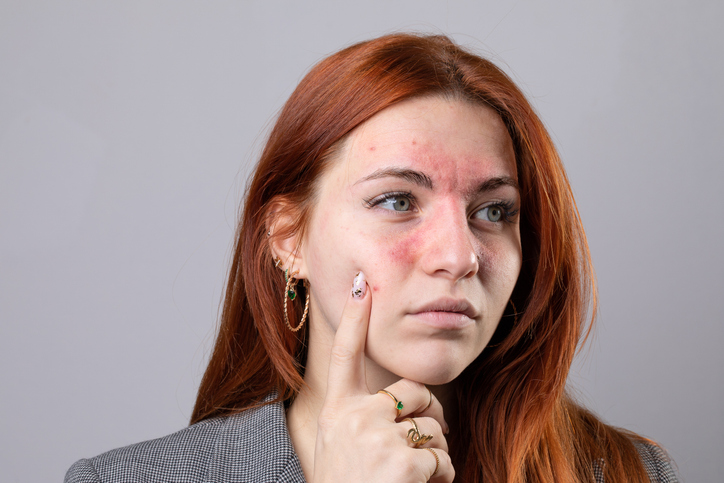
Rosacea is commonly associated with facial redness, flushing and sensitive skin. However, many people don’t realise this inflammatory skin condition can also affect the eyes. Known as ocular rosacea, it can cause persistent irritation, dryness, redness and discomfort around the eyelids and eye surface. For some people, ocular rosacea develops alongside the more familiar symptoms of facial rosacea. For others, eye irritation may appear before any noticeable skin changes, making the condition harder to recognise.
Understanding the connection between rosacea and eye health matters because symptoms can sometimes be mistaken for ordinary dry eyes, allergies, or other common eye conditions. In some cases, effective management requires collaboration between a dermatologist and an ophthalmologist, a medical specialist in eye health.
What is ocular rosacea?
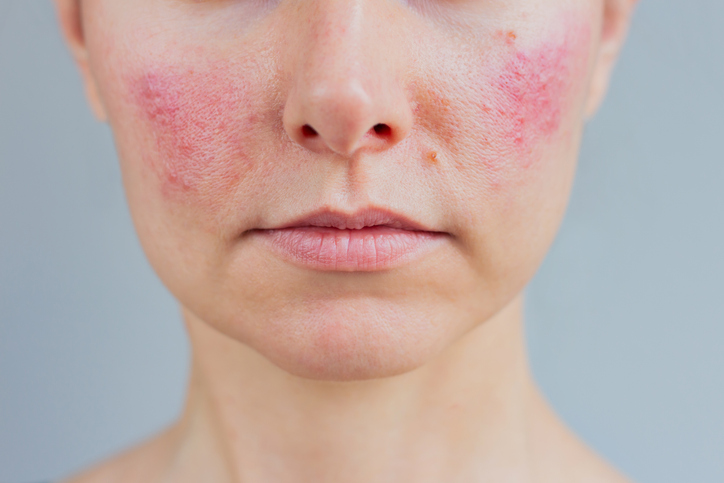
Ocular rosacea is an inflammatory condition affecting the eyelids and the surface of the eyes. It is associated with rosacea, a chronic skin condition that commonly affects the cheeks, nose, forehead and chin. While facial rosacea often presents as persistent redness, flushing, visible blood vessels or small inflammatory bumps, ocular rosacea can involve inflammation around the eyelashes, eyelid margins and the delicate tissues covering the eye.
One of the most common features is eyelid inflammation, known as blepharitis. Ocular rosacea may also affect the meibomian glands, tiny oil-producing glands located along the eyelid margins. These glands help maintain the protective tear film covering the eyes. When these glands become inflamed or blocked, the tear film may become unstable, contributing to dryness, irritation and a gritty sensation.
According to DermNet’s clinical overview of ocular rosacea, the condition can involve the eyelids, conjunctiva and cornea, with symptoms ranging from mild irritation to more significant inflammation.
What are the symptoms of ocular rosacea?
Symptoms of ocular rosacea vary by individual and may fluctuate over time. Some people experience occasional discomfort, while others develop persistent symptoms that interfere with everyday activities.
Common ocular rosacea symptoms include burning or stinging eyes, redness, itching, dryness and excessive watering. Some people describe feeling as though sand or grit is trapped in their eyes, even when nothing is present. The eyelids may become swollen or irritated, with redness around the lash line. Small visible blood vessels can develop along the eyelid margins, and some people experience recurrent eyelid lumps or inflammation.
Light sensitivity is another possible symptom, particularly when inflammation affects the eye surface. Because these symptoms overlap with several other eye conditions, don’t assume persistent irritation is necessarily caused by rosacea. A clinical assessment can help identify the underlying cause.
Can you have ocular rosacea without facial rosacea?
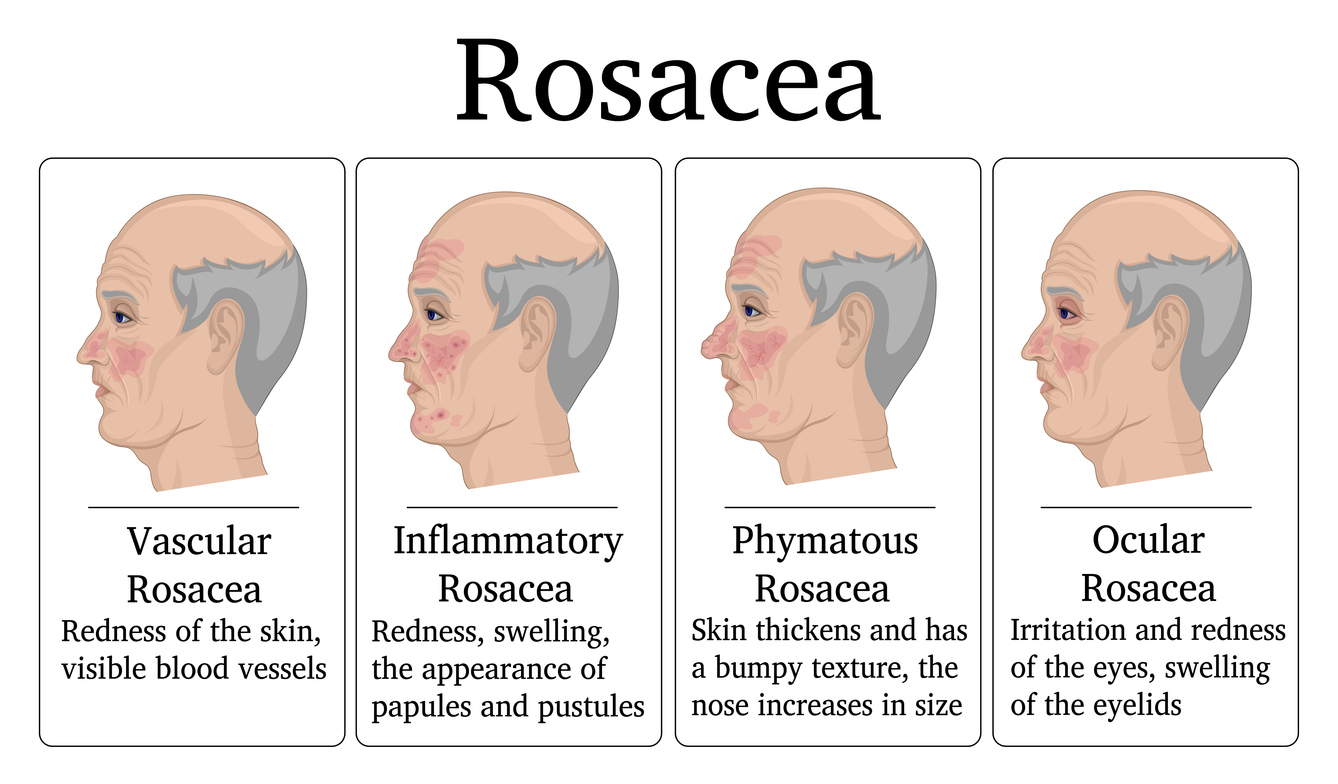 Yes. Although ocular rosacea frequently occurs in people who already have facial rosacea, eye symptoms can develop before any obvious skin changes. This can make diagnosis more challenging. Someone experiencing repeated episodes of dry, red or irritated eyes may not associate their symptoms with an inflammatory skin condition. Similarly, a person with mild facial rosacea may overlook eye symptoms because they appear unrelated.
The severity of facial rosacea does not necessarily reflect the severity of eye involvement. Someone with relatively mild facial redness may experience significant ocular symptoms. This is why discussing eye irritation during a dermatology consultation can be useful, even when the main concern is facial redness or sensitivity.
What causes ocular rosacea?
The exact cause of ocular rosacea is not fully understood. Like facial rosacea, it is believed to involve a combination of inflammatory processes, immune responses, vascular changes and environmental influences.
Changes in the function of the eyelid’s oil-producing glands are particularly important. When these glands do not release their oils normally, the protective tear film may evaporate more quickly, contributing to dry eyes and inflammation. Certain environmental and lifestyle factors may also aggravate symptoms. These can include temperature extremes, wind, sunlight, stress and individual dietary triggers.
However, triggers vary considerably between people, and not everyone with rosacea experiences the same reactions. Understanding individual patterns may help patients and their healthcare professionals develop a practical approach to managing symptoms.
How is ocular rosacea diagnosed?
No single test definitively diagnoses ocular rosacea. Assessment generally involves reviewing symptoms, medical history and the appearance of the eyelids and eyes. A dermatologist may suspect ocular rosacea when someone with facial rosacea reports persistent dryness, burning, redness or eyelid irritation. During a consultation, the dermatologist may examine the surrounding skin and eyelid margins, discuss possible triggers and consider whether another condition could explain the symptoms.
An ophthalmologist can perform a more detailed examination of the eye surface, tear film and cornea using specialised equipment. This is particularly important when symptoms are persistent, recurrent or affecting vision.
When might a dermatologist refer you to an ophthalmologist?
Because ocular rosacea can affect both the skin and the eyes, care may involve more than one medical specialist. A dermatologist specialises in diagnosing and managing skin conditions, including facial rosacea and inflammation around the eyelids.
If a patient attending a dermatology consultation reports symptoms suggesting ocular involvement, the dermatologist may recommend an assessment by an ophthalmologist. An ophthalmologist is a medically trained eye specialist who can diagnose and manage diseases affecting the eyes, including inflammation involving the cornea and other delicate structures.
The referral may be particularly important when someone experiences ongoing eye discomfort, significant redness, light sensitivity or changes in vision. In some circumstances, the ophthalmologist may identify ocular rosacea first and recommend dermatological assessment if facial symptoms are also present.
Rather than viewing the two specialties separately, this collaborative approach recognises that rosacea may affect different parts of the body and require coordinated care.
Can ocular rosacea be managed?
Although rosacea is generally a long-term condition, there are approaches that may help manage symptoms and reduce irritation. The most appropriate approach depends on the severity of inflammation, the structures affected and the individual’s overall eye health.
Gentle eyelid hygiene may form part of a recommended care routine. This can involve carefully cleaning the eyelid margins and using warm compresses where appropriate to support normal gland function. People with facial rosacea may also benefit from identifying personal triggers, choosing gentle skincare products and avoiding unnecessary irritation around the eyes.
However, treatments used for facial rosacea do not necessarily address ocular symptoms. Eye-specific assessment and management may still be required. Do not apply facial skincare products or undertake treatments near the eyes without appropriate professional guidance.
Is early assessment important?
For many people, ocular rosacea causes manageable but frustrating symptoms. However, more significant inflammation can occasionally affect the cornea, the clear surface at the front of the eye. Corneal involvement may lead to complications, including scarring and vision changes. Persistent eye symptoms should therefore not be dismissed as simply another aspect of sensitive skin.
Eye pain, marked light sensitivity, sudden changes in vision or significant redness require prompt medical assessment, rather than waiting for a routine dermatology appointment. Recognising symptoms early and involving the appropriate specialist can help patients understand their condition and access suitable care.
Understanding rosacea beyond facial redness
Rosacea is more than a cosmetic concern. It is a chronic inflammatory condition that can affect the skin, eyelids and eyes in different ways. For people experiencing facial redness alongside persistent eye irritation, understanding this connection may be an important step towards obtaining an accurate diagnosis.
A dermatologist can assess facial rosacea, discuss appropriate skin management and identify when additional specialist eye assessment may be necessary. At ENRICH Clinic and the Dermatology Institute of Victoria in Melbourne, dermatology consultations provide an opportunity to discuss rosacea symptoms, skin concerns and individual treatment considerations.
Concerned about rosacea?
Our dermatology team can assess your skin, discuss your symptoms and recommend an individualised management plan, including referral for specialist eye assessment where appropriate.
Book a consultation with one of the team