The Difference Between Skin Age and Your Actual Age
You may be 45 years old, but what age is your skin? It may sound like a strange question, but skin age and chronological age are not necessarily the same. Two people born in the same year can have noticeably different skin texture, pigmentation, elasticity and levels of sun damage.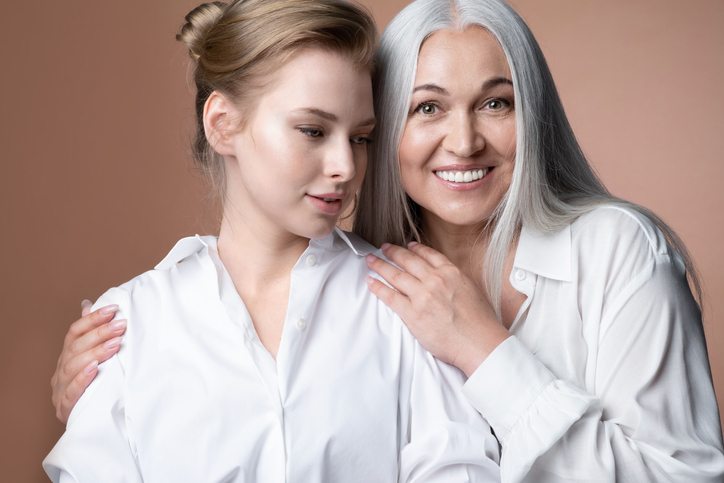
That is because the way our skin changes over time is influenced by far more than the number of birthdays we have celebrated. Genetics, cumulative ultraviolet (UV) exposure, smoking, environmental factors and our individual skin characteristics can all influence the visible signs of skin ageing.
So, while we can’t change our actual age — nor should ageing itself be regarded as something that needs to be “fixed” — understanding what has happened to our skin over time can help us make more informed decisions about its health and care.
What is chronological skin ageing?
Chronological or intrinsic ageing refers to the natural biological changes that occur in the skin as we grow older.
Over time, the epidermis and dermis change, collagen and elastin structures alter, and the skin may become thinner, drier and less elastic. Fine lines may become more noticeable, and the skin’s ability to recover from injury can also change.
These processes happen to everyone, although the rate and visible effects vary considerably from person to person. Genetics plays a role too. Just as we inherit characteristics such as eye colour and hair colour, we also inherit characteristics that influence how our skin responds to ageing and environmental exposure.
What is your “skin age”?
There isn’t one universally accepted medical test that gives your skin a definitive biological age in years. Effectively, “skin age” is not a medical term; it is more of a term used to describe how the condition and visible characteristics of your skin compare with what might typically be expected at your chronological age.
Rather than saying, “Your skin is 55”, a more useful assessment considers characteristics such as:
- skin texture and thickness
- fine lines and wrinkles
- pigmentation and sunspots
- redness and visible blood vessels
- elasticity and laxity
- hydration
- collagen-related changes
- accumulated sun damage.
These characteristics can vary significantly even between people of exactly the same chronological age.
Why can skin appear older than your actual age?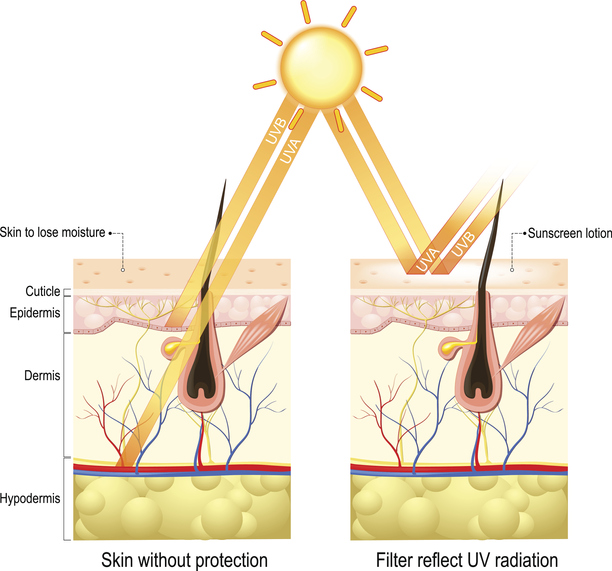
One of the biggest differences between chronological age and visible skin age is extrinsic ageing — changes influenced by external factors. UV exposure is particularly important in Australia. UV radiation can contribute to premature skin ageing and increase the risk of skin cancer.
Long-term sun exposure can be associated with changes including uneven pigmentation, freckles and sunspots, rougher skin texture, visible blood vessels, reduced elasticity and wrinkles. These changes are commonly described as photoageing.
This explains why areas that receive regular sun exposure, particularly the face, neck, décolletage, forearms and hands, can look quite different from areas of the same person’s skin that have spent most of their life covered. Smoking and long-term exposure to some environmental pollutants can also contribute to extrinsic skin ageing.
Australia makes sun protection particularly important
Australia’s high UV environment means that protecting the skin from UV exposure is relevant at almost every age. Importantly, UV and temperature are not the same thing. You can be exposed to damaging levels of UV radiation on a cool or cloudy day, which is why sun protection should be guided by the UV Index rather than simply by whether the weather feels hot. When Dr Rich is asked, “ What is the best anti-ageing cream “ he always answers, “ SPF 50+ Sunscreen – every day”
Sun protection is not only about how the skin looks. Reducing excessive UV exposure is an important part of reducing the risk of skin cancer. Current Australian sun protection advice recommends using a combination of protective measures when the UV Index reaches 3 or above, including protective clothing, broad-spectrum water-resistant SPF50 or SPF50+ sunscreen, a broad-brimmed hat, shade and sunglasses.
Can your skin look younger than your chronological age?
Some people naturally show fewer visible signs of ageing than other people of a similar age. Genetics, skin type, cumulative sun exposure and lifestyle can all play a part. Someone who has consistently protected their skin from UV exposure, for example, may have fewer visible signs of photoageing than someone of the same age with a history of substantial sun exposure.
However, “looking younger” shouldn’t be confused with having healthier skin. Skin that appears relatively smooth can still have UV damage, and skin cancer and precancerous changes do not necessarily correspond with the number of wrinkles a person has.
Skin health is therefore a more useful goal than trying to achieve a particular “skin age”.
What happens to collagen as skin ages?
Collagen is one of the main structural proteins within the dermis and contributes to the skin’s strength and support. As part of the natural ageing process, collagen production declines, and hormonal changes can also affect skin laxity and collagen production. Environmental factors, particularly UV exposure, can further contribute to changes in the skin’s supporting structures.
Eventually, these changes become visible as changes in firmness, elasticity, texture and fine lines. But skin ageing doesn’t happen at just one depth. Pigmentation may involve more superficial structures, while changes in collagen, blood vessels, fat distribution and facial support occur at different levels. This is why no single treatment addresses every aspect of ageing skin.
What can you do about premature skin ageing?
The most useful starting point is prevention. Consistent sun protection can help reduce further UV-related damage, while appropriate skincare may help support the skin barrier, hydration and general skin health. If you are concerned about existing sun damage, pigmentation, redness, texture, fine lines or other changes, a professional skin consultation can help establish what is actually occurring.
At ENRICH Clinic, every new patient requires a consultation before treatment. Further consultations may also be appropriate when a different concern or treatment is being considered. This matters because something that appears to be a simple “age spot”, for example, may require assessment before a cosmetic treatment is considered.
Can treatments change your skin age?
It is more accurate to say that some treatments may address particular features associated with skin ageing or sun damage, rather than claiming that a treatment can make your skin a certain number of years younger.
Depending on the individual concern, treatment options discussed during a consultation at ENRICH / DIV may include laser or light-based treatments, skin resurfacing, radiofrequency microneedling, skin needling, peels or other skin rejuvenation approaches. Different technologies work at different depths and target different structures. For example, some laser treatments may be considered for pigmentation and sun damage, while other treatments may be used to address skin texture or collagen-related changes.
No treatment is suitable for everyone, and outcomes vary between individuals. Treatment choice should consider factors including skin type, medical history, pigmentation, the nature of the concern, potential risks, recovery time and treatment goals. All procedures carry potential risks, side effects and complications, which should be discussed as part of the consultation process.
Your skin doesn’t need to match a number
Skin ageing is normal. The more useful question isn’t necessarily, “How old does my skin look?” but rather, “What is happening in my skin and how can I look after it?” Your chronological age tells us how long you have been alive. Your skin tells a much more complicated story involving genetics, sun exposure, environment, lifestyle and normal biological change.
Understanding that difference can make it easier to focus on skin health rather than chasing a particular age. If you have noticed changes in pigmentation, texture, sun damage, redness, fine lines, or skin laxity, a consultation at ENRICH Clinic & DIV can help assess your individual skin concerns and discuss whether skincare, monitoring, or treatment may be appropriate.
Frequently Asked Questions
At what age do you start to notice changes in your skin?
There is no single age when skin changes become noticeable. Genetics, skin type, cumulative UV exposure, lifestyle and environmental factors all influence how and when signs such as fine lines, pigmentation, dryness or changes in skin texture appear. Some changes may begin gradually well before they become particularly visible.
Does menopause affect how quickly your skin ages?
Hormonal changes around perimenopause and menopause can affect the skin. Declining oestrogen levels are associated with changes in collagen, skin thickness, hydration and elasticity. However, hormones are only one part of skin ageing, alongside factors such as genetics and cumulative sun exposure.
Can you reverse years of sun damage?
Some visible signs of sun damage, such as certain types of pigmentation, uneven texture and redness, may be improved with appropriate skincare or professional treatment. However, treatment cannot erase a lifetime of UV exposure or remove the associated risk of skin cancer. Ongoing sun protection and appropriate skin checks remain important.
Do expensive skincare products slow skin ageing better than cheaper products?
Price alone doesn’t determine how effective a skincare product will be. Ingredients, formulation, concentration, how the product is used and whether it is appropriate for your skin are more important considerations. Daily sun protection is also one of the most important measures for reducing further UV-related skin damage.
Can stress make your skin age faster?
Long-term stress can affect the body in many ways and may influence sleep, inflammation, skin barrier function and lifestyle behaviours that affect skin health. However, visible skin ageing is complex and cannot generally be attributed to stress alone.
Is it ever too late to start looking after ageing or sun-damaged skin?
No. Sun protection and appropriate skincare can be worthwhile at any age. If you already have significant pigmentation, texture changes, redness or other signs of sun damage, a skin or dermatology consultation can also help determine what is causing the changes and whether monitoring, skincare or treatment may be appropriate.