The Art of Treating the Whole Face, Not Just One Wrinkle
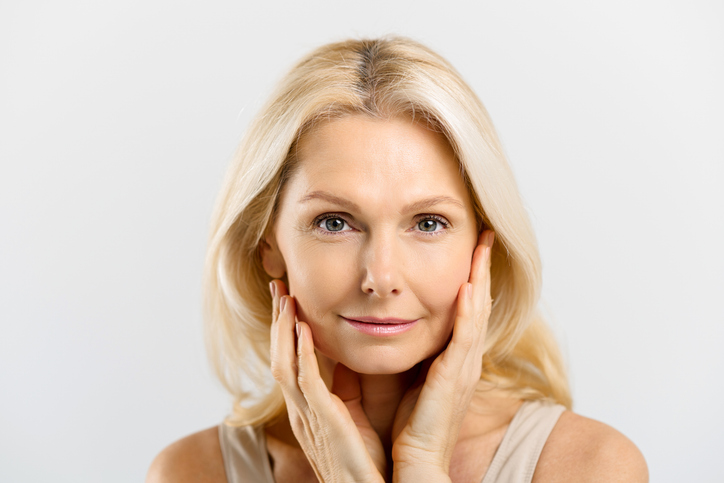
We all do it. We look in the mirror and notice something that wasn’t there before. Perhaps it’s a line between the eyebrows, a crease around the mouth, or a change in the skin beneath our eyes. But here’s something worth considering: Our faces don’t age one wrinkle at a time. Facial ageing is a complex process involving changes to the skin, collagen, elastin, fat, muscle and even the underlying bone structure. These changes occur at different rates and can affect how our faces look overall.
That is why modern approaches to facial assessment increasingly consider overall skin quality, facial structure, and proportions, rather than focusing exclusively on individual lines.
At ENRICH Clinic and the Dermatology Institute in Melbourne, a comprehensive consultation lets us look beyond a single concern, assess skin health and surrounding structures, and discuss an individualised treatment approach.
Why focusing on one wrinkle can miss the bigger picture
You might notice a line around your mouth or a subtle change in your facial appearance and become curious about what treatment options are available. But what we see on the surface often reflects several factors, including skin elasticity, collagen, facial fat distribution, and underlying support. Understanding how these elements work together can sometimes reveal different treatment options or approaches you may not have initially considered.
Similarly, someone concerned about fine lines around their eyes may also have changes in skin texture, pigmentation, or hydration that contribute to the area’s appearance. This doesn’t mean every contributing factor needs treatment. Instead, understanding what is happening across the face can help a clinician identify which concerns matter most and which treatment options, if any, may be appropriate.
Sometimes improving overall skin quality can noticeably change how someone perceives their complexion, without trying to address every individual wrinkle. The aim isn’t necessarily to do more. It’s to understand the bigger picture before deciding what, if anything, to do.
What actually happens to our face as we age?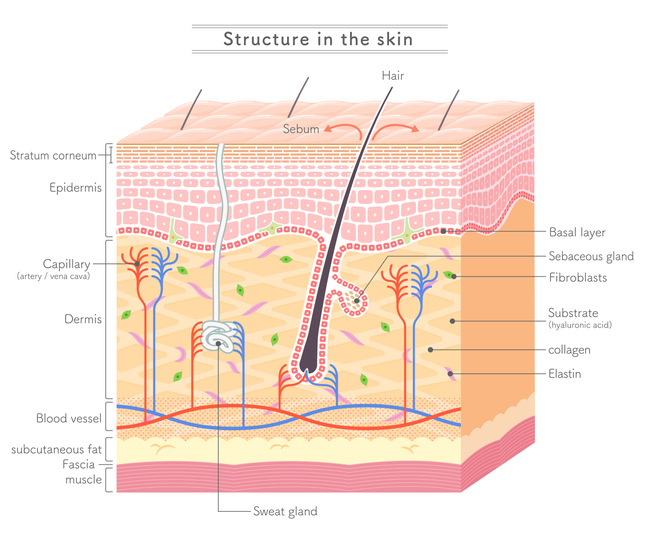
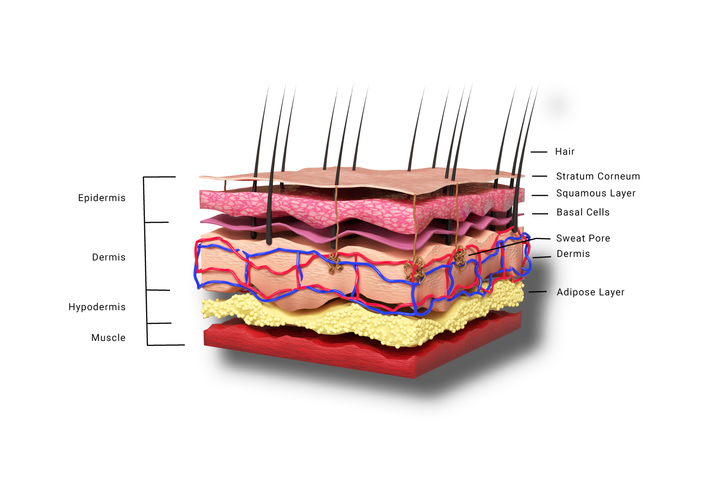
Facial ageing is often described as a loss of collagen, but collagen is only one part of the story. Our faces consist of several interconnected layers and structures, each contributing to facial appearance and function. As we age, changes can occur at different depths.
The skin: The outer and deeper layers of the skin change in cell turnover, hydration, pigmentation, and barrier function. Over time, skin may become thinner, drier or less resilient. Years of sun exposure can also contribute to uneven pigmentation, redness and rougher texture.
Collagen and elastin: Collagen provides structural support within the dermis, while elastin helps the skin stretch and return to its original shape. With age, changes in the production, organisation and breakdown of these proteins can contribute to wrinkles, reduced firmness and skin laxity.
Facial fat: Fat compartments beneath the skin help create facial contours. As we age, these compartments can change in volume, position and distribution, influencing the appearance of the cheeks, temples, under-eye area and jawline.
Muscles: Facial muscles let us smile, frown, speak, and express emotion. Repeated facial movements contribute to dynamic lines, which may become more visible at rest as the skin and underlying tissues change.
Bone: The underlying facial skeleton also changes over time. Changes in bone structure and support can alter facial proportions and the appearance of surrounding soft tissues. These processes don’t occur in isolation. A change at one level can affect another, which is why facial ageing cannot always be understood by looking only at the skin’s surface.
Facial harmony: what really matters?
Facial harmony describes the relationship between different facial features and how they contribute to someone’s overall appearance. It isn’t about achieving a particular face shape or perfect symmetry, which is not realistic. Natural faces are rarely symmetrical, and differences in facial proportions help make each person recognisable and unique. From a clinical perspective, assessing facial proportions can help doctors understand how changes in one area relate to neighbouring structures. For example, changes in cheek volume may affect how the lower face appears, while differences in skin texture or pigmentation can change how light reflects across the face.
Everyone has their own natural beauty, character and style. A whole-face approach considers how different features and skin qualities work together, while keeping the focus on what matters to you and only you Whether you want to improve skin texture, address pigmentation, or explore subtle changes, treatment planning starts with understanding your skin and your preferences.
Why skin quality matters just as much as individual wrinkles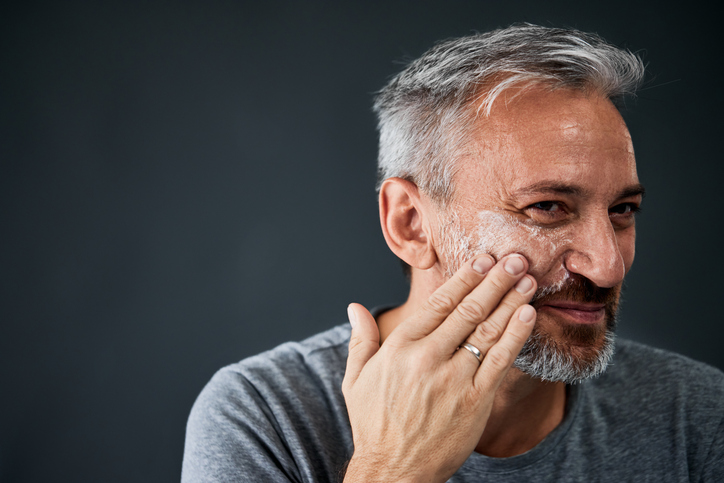
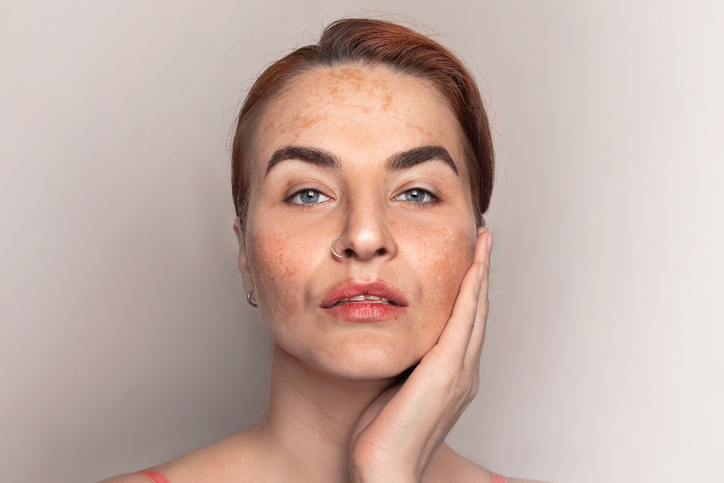
When we think about facial ageing, wrinkles often receive the most attention. Yet our skin’s overall appearance is also shaped by texture, colour, hydration, elasticity, and surface smoothness. Uneven pigmentation, persistent redness, or rough texture can make skin look different under different lighting, regardless of how many fine lines are present. For some people, improving skin quality may be a more appropriate focus than treating a particular wrinkle. Depending on the concern, a dermatologist may consider treatments for pigmentation, vascular changes, skin texture, or other aspects of skin health.
Options can include topical skincare, prescription treatments where clinically indicated, and selected laser or energy-based procedures. For example, fractional laser treatments may be considered for certain textural changes or signs of sun damage, while vascular lasers may be appropriate for some forms of redness or visible blood vessels. However, different treatments have different indications, limitations, risks and recovery requirements. They are not interchangeable, and not every treatment suits every skin type.
What is involved in a whole-face assessment?
A whole-face assessment is a clinical evaluation that considers the skin, underlying facial structures, and how different areas of the face relate. Rather than starting with a particular treatment, the consultation begins with understanding the patient’s concerns, medical history, previous procedures, and expectations. The clinician may examine skin texture, pigmentation, redness, vascular changes, elasticity and laxity. They may also assess facial movement, proportions and structural changes that could contribute to the patient’s concerns.
For example, uneven pigmentation may be linked to sun exposure, hormonal influences, or an underlying skin condition. Persistent facial redness may relate to rosacea, visible blood vessels, or other inflammatory conditions. Identifying the cause matters because different conditions require different approaches. Treating redness caused by rosacea is not necessarily the same as addressing visible blood vessels, and not every form of pigmentation is suitable for laser treatment.
A comprehensive consultation also allows time to discuss what treatment can realistically achieve, the potential risks, recovery requirements and whether treatment is necessary or appropriate.
Suggested ENRICH internal link: Dermal Consultations and Treatments
Different treatments work at different depths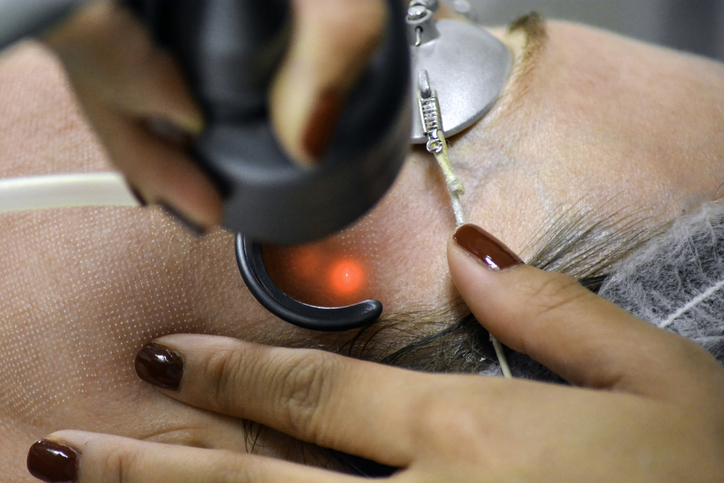
One reason there is no single treatment for every facial concern is that different technologies and procedures act on different tissues at different depths. Some treatments primarily address the skin’s surface, while others deliver energy into deeper layers of the dermis or underlying tissues.
For example, certain fractional lasers create controlled areas of injury within the skin to stimulate repair and remodelling. These may be considered for selected concerns involving skin texture, fine lines or sun-related changes. Vascular lasers target specific blood vessels and may be used for certain types of facial redness or visible vessels. Radiofrequency-based treatments deliver energy into tissue and may be considered for selected concerns involving skin texture or laxity, although improvement varies and evidence differs by device and indication.
Importantly, treatments that act at different depths may not suit the same person. Skin type, medical history, pigmentation risk, existing conditions and previous procedures all influence treatment selection. Even when a treatment is appropriate, outcomes can vary, and complications may include discomfort, swelling, infection, scarring or changes in pigmentation. Understanding these different treatment depths is not meant to encourage multiple procedures, but to explain why an accurate assessment matters before selecting a treatment.
Why a combination of treatments may sometimes be considered
Because facial ageing involves multiple structures, there may be circumstances where more than one treatment approach is discussed. For instance, someone experiencing both pigmentation changes and uneven skin texture may require different approaches to each concern. Another patient may benefit more from managing an underlying skin condition and establishing an appropriate skincare routine before considering a cosmetic procedure.
However, combination treatment does not mean that every concern needs to be addressed. In some cases, one treatment may be sufficient. In others, a skincare program or simply monitoring the skin may be the most appropriate recommendation. The decision depends on the patient’s clinical needs, preferences, treatment suitability and willingness to accept the potential risks and recovery involved.
Why a staged treatment plan can make sense
It’s easy to assume addressing several concerns at once is the most efficient approach. Clinically, however, a staged approach can offer advantages. We call them treatment plans. Some treatments require the skin to recover before you can consider another procedure. Others may change gradually, so it’s important to assess the response before deciding whether further treatment is warranted.
A treatment plan also gives the patient time to consider their options and evaluate whether the initial treatment has adequately addressed their concerns. For example, a clinician may recommend managing inflammation or an impaired skin barrier first before assessing whether laser treatment is appropriate. In other cases, clinicians may prioritise treating pigmentation or redness before considering procedures for skin texture.
Staging treatments can also help reduce unnecessary intervention, although it does not eliminate procedural risks. There is no universal sequence. The timing and order of treatment should reflect the patient’s circumstances and clinical assessment.
A conservative approach to cosmetic treatment
A conservative approach doesn’t necessarily mean choosing the least intensive treatment. It means recommending an intervention only when appropriate, considering the potential benefits, limitations, and risks. It also means recognising that normal facial ageing does not automatically require treatment. Some patients may want to address a particular skin concern, while others may prefer to focus on maintaining skin health through sun protection, skincare, and managing existing dermatological conditions.
A conservative consultation should allow patients to discuss their concerns without feeling pressured to pursue procedures or conform to a particular appearance. Ultimately, a whole-face approach focuses on informed decisions based on the individual, rather than a standardised treatment formula.
The value of an individualised treatment plan
No two faces age in exactly the same way. Genetics, sun exposure, lifestyle, medical history, skin type and underlying facial anatomy all influence the changes we experience over time. That’s why an individualised treatment plan begins with understanding the person, not selecting a procedure.
At ENRICH Clinic and DIV, consultations let us assess skin concerns, discuss treatment options, and consider whether a staged approach may be suitable.
For some people, the discussion may focus on pigmentation or redness. For others, skin texture, laxity or an underlying dermatological condition may be more relevant. And sometimes, the best approach may simply be to maintain good skin health without undertaking a cosmetic procedure.
The key message is that looking at the whole face doesn’t mean treating the whole face. It means understanding how the different elements work together, so any treatment decisions are informed, considered and appropriate for the individual.
Frequently asked questions
Can improving skin quality make wrinkles less noticeable?
In some circumstances, improvements in skin texture, hydration or pigmentation may influence the overall appearance of the complexion. However, these changes do not necessarily remove wrinkles, particularly those associated with deeper structural changes or facial movement. The outcome depends on the underlying cause and treatment selected.
What is the difference between skin rejuvenation and wrinkle treatment?
Skin rejuvenation is a broad term for treatments that address aspects of skin appearance, such as texture, pigmentation, or certain age-related changes. Wrinkle treatment focuses more specifically on lines or creases. Some treatments may address both, but the terms are not interchangeable.
Does everyone lose facial collagen at the same rate?
No. Factors such as genetics, age, hormonal changes, ultraviolet exposure, and smoking influence collagen changes. The rate and extent of these changes vary between individuals, which is one reason skin ageing can look different from person to person.
Is a whole-face assessment necessary if I’m only concerned about one area?
A broader assessment can be helpful even when a patient has one specific concern. It lets the clinician consider surrounding structures, skin health, and underlying factors that may affect treatment suitability. This does not mean that other areas need treatment.
Why might a dermatologist recommend treating redness or pigmentation before skin texture?
Certain inflammatory or pigmentary conditions may need diagnosis and management before considering a cosmetic procedure. For example, uncontrolled inflammation or some pigmentation disorders can affect treatment selection and increase the risk of complications. The appropriate sequence depends on the diagnosis and individual circumstances.
Can different laser treatments be combined?
Different laser treatments may sometimes be part of a broader treatment plan, but combining procedures isn’t appropriate for everyone. The decision depends on the conditions being treated, skin type, treatment intensity, recovery requirements and potential risks. Treatments may need to be separated by an appropriate recovery period.
What should I expect during a facial skin consultation?
A consultation generally includes a discussion of your concerns, medical history, current skincare, previous treatments and expectations. The clinician may assess your skin and facial structures before explaining any suitable options, including their limitations, risks, likely recovery requirements and alternatives. There should also be an opportunity to ask questions before deciding whether to proceed.
Is it possible to take a more natural or conservative approach to facial ageing?
Yes. Many people prefer to focus on maintaining skin health rather than pursuing multiple cosmetic procedures. Depending on individual needs, this may involve sun protection, appropriate skincare and managing specific dermatological concerns. A conservative approach also recognises that treatment is optional and that ageing itself is not a medical condition.
Understanding your skin starts with a consultation. Our team can assess your skin concerns, discuss appropriate options and develop an individualised treatment plan where indicated, including potential risks, limitations and aftercare.