Has TikTok Helped or Hindered Your Skin Journey? Separating Viral Skincare Trends from Evidence-Based Skin Advice
A decade ago, if you wanted skincare advice, you were likely to ask your GP, dermatologist, beauty therapist or browse a beauty magazine.
Today? Many of us turn to TikTok.
With billions of views under hashtags like #SkinTok, #GlassSkin, #AcneJourney and #SkincareRoutine, the platform has become one of the world’s biggest beauty classrooms. Every day, influencers recommend products, demonstrate skincare routines and explain ingredients such as peptides, retinol and vitamin C, all in videos that last less than a minute.
Some of this information has genuinely helped people better understand their skin. Some of it has also created confusion. The challenge isn’t that TikTok is full of bad advice ( although there can be a bit). The challenge is that it can be difficult to tell the difference between evidence-based information, personal opinion, sponsored content and trends designed purely to generate views.
So, has TikTok helped or hindered your skin journey? The answer is probably… a little of both.
When TikTok Gets It Right
It would be unfair to dismiss TikTok as simply another social media platform full of misinformation. In many ways, it has helped improve public awareness of skin health. Millions of people have discovered the importance of wearing sunscreen every day, learned that acne is a medical condition rather than poor hygiene, and become more aware of concerns such as rosacea, pigmentation and skin cancer.
The platform has also introduced many consumers to ingredients that have been widely researched, including Retinol Peptides, Niacinamide, Vitamin C, Hyaluronic acid, and Ceramides. Many dermatologists and other qualified healthcare professionals now use TikTok to share educational content, helping to make complex skin science easier to understand. For many people, TikTok has been the starting point for better skin care.
The Problem with “One-Size-Fits-All” Advice
Where TikTok can become problematic is when complex skin concerns are reduced to simple solutions. Skin is incredibly individual. Age, genetics, hormones, medications, sun exposure, existing skin conditions and lifestyle all influence how your skin behaves.
A product that works beautifully for a 22-year-old influencer with naturally resilient skin may not be suitable for someone experiencing rosacea, eczema, pigmentation or sensitive skin. Social media algorithms reward quick answers and dramatic before-and-after transformations. Remember, these influencers are trying to make money or gain followers.
In reality, skin health is more of a “Journey” than a quick fix. There is rarely a single miracle ingredient or routine that works for everyone.
Ingredients Are Trending Faster Than the Science.Every few months, TikTok seems to crown a new “must-have” ingredient. One month, it’s peptides. The next one is retinol. Then comes snail mucin, beef tallow, rice water or salmon DNA-inspired skincare. Many of these ingredients have legitimate roles in skincare, but social media often presents them without context.
Take peptides, for example.
Peptides are short chains of amino acids that play various roles in supporting skin function and are included in many skincare products. They can be a useful part of an overall skincare routine, but they are not a miracle ingredient that can replace every other aspect of skin health.
Similarly, retinol has been extensively studied and can be an effective ingredient for some people. However, introducing high-strength products too quickly or using them too frequently may lead to redness, irritation, dryness and peeling—particularly in sensitive skin.
The message often missing from viral videos is that how an ingredient is used can be just as important as the ingredient itself.
More Products Doesn’t Always Mean Better Skin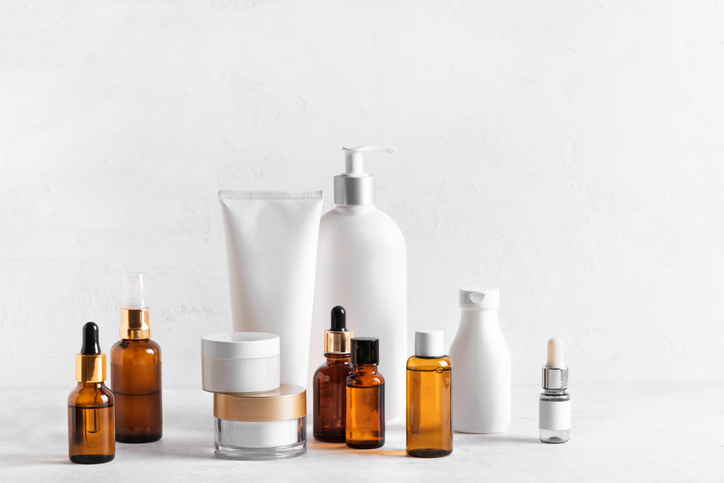
One of the biggest trends on TikTok has been the elaborate skincare routine. Ten-step routines became fifteen. Morning routines were followed by separate evening routines. Multiple exfoliating acids were layered with retinol, vitamin C and various serums.
While skincare can certainly be enjoyable and part of your care routine, more products do not necessarily produce healthier skin. In fact, dermatologists and skin professionals are increasingly seeing patients whose skin has become irritated due to unintentionally overwhelming their skin barrier.
Signs of this may include:
- Persistent redness
- Dryness
- Burning or stinging
- Tightness
- Flaking
- Increased sensitivity
Sometimes the most effective skincare advice is surprisingly simple: use fewer products, use them consistently and allow your skin time to adapt.
The Rise of DIY Skin Treatments
TikTok has also popularised at-home procedures that were traditionally performed in clinical settings. These include Home microneedling devices, strong chemical exfoliants, dermaplaning,skin needling rollers or high-strength acid peels
While some home skincare devices are designed for consumer use, others carry risks if used incorrectly. Without an understanding of skin anatomy, hygiene and appropriate treatment selection, DIY procedures may increase the risk of irritation, infection, pigmentation changes or scarring. For example, the skin roller you use at home must be cleaned thoroughly and wiped with alcohol before use to reduce the risk of infection. Dermal rollers pierce the skin ever so gently; however, the minimal invasiveness of the home roller still carries a risk of infection, as it can draw blood.
Professional assessment remains important, particularly for concerns such as acne scarring, persistent redness or pigmentation.
The Rise of Tanning Pills and “Quick Fix” Products
Perhaps one of the more concerning trends to emerge online has been the promotion of products claiming to accelerate tanning or darken the skin. These products are often marketed by influencers or overseas websites that use dramatic before-and-after images. Some products promoted online as tanning accelerators contain ingredients classified as S4 drugs in Australia, meaning they must be prescribed by a doctor and not used for cosmetic purposes, such as tanning, while others are marketed as tanning pills that contain a combination of ingredients.
These products may not be approved for use in Australia, and there are concerns about their safety, quality and potential side effects. If you are considering any product that claims to alter your skin’s pigmentation, which can be potentially dangerous, it is advisable to discuss it with a qualified healthcare professional first.
Consumers should exercise caution when purchasing any health products promoted online, particularly when they are not well-known or when little information is available about their ingredients, manufacturing standards or potential risks. Look for peer-reviewed studies on their website. Read the list of ingredients; some could interact with medicines or other supplements you are taking. If a product promises dramatic results with very little evidence to support its claims, it is worth asking many more questions before clicking “Buy Now”.
Filters Have Changed Our Expectations
Another often-overlooked factor is the impact of filters.
Many of the flawless complexions seen online are enhanced through professional lighting, editing software or built-in beauty filters. Comparing your real skin with someone else’s filtered skin is rarely a fair comparison. Healthy skin has pores. It has texture. It changes throughout the month.
Recognising this can help create more realistic expectations about what skincare can , and cannot, achieve.
So, Should You Ignore TikTok?
TikTok can be an excellent place to discover new products, learn about ingredients and hear from qualified professionals sharing evidence-based information. The key is to treat it as the beginning of the conversation rather than the final answer.
Before changing your entire skincare routine or trying a viral product, ask yourself:
- Who is giving this advice?
- Are they appropriately qualified?
- Is the information based on scientific evidence or personal experience?
- Does this recommendation suit my skin type and concerns?
- Could I benefit from discussing this with a qualified healthcare professional?
Social media has changed the way we learn about skincare—and in many ways, that’s a positive thing.It has encouraged conversations about sunscreen, skin cancer prevention, acne, rosacea and healthy skin habits that may never have reached such large audiences before.
However, skin is personal. What works for someone else may not be the right choice for you.
If you are considering introducing powerful active ingredients, trying a viral skincare trend or exploring treatment options for concerns such as pigmentation, redness, acne scarring or skin ageing, a personalised assessment from a qualified healthcare professional can help ensure your skincare journey is guided by your skin, not by the latest algorithm. Dermatologist study hair, skin and nails for another 6 years after their medical degree, so they know their stuff. They are also registered with the Australasian College of Dermatologists the professional body here.
The next viral skincare trend will undoubtedly arrive tomorrow. Your skin, however, deserves advice that lasts much longer than a 30-second video.
Frequently Asked Questions
Is TikTok a reliable source of skincare advice?
TikTok can be a useful place to discover skincare ideas and hear from qualified professionals. However, not all creators have medical or dermatology training, so it is important to verify information using trusted health sources.
Are peptides good for your skin?
Peptides are commonly used in skincare products and may support overall skin health as part of a broader skincare routine. It also depends on dosage, combination and what else you are using. There are a lot of moving parts. They are not a miracle ingredient, and results vary between individuals.
Can retinol damage your skin?
Retinol can cause irritation, dryness and peeling if introduced too quickly or used incorrectly. Following professional advice and gradually incorporating active ingredients may help improve tolerance.
How do I know if a skincare trend is right for me?
Consider your skin type, existing skin concerns and any underlying medical conditions. A qualified healthcare professional can help determine whether a product or treatment is appropriate for your individual needs.