
Pigmentation can be one of the most frustrating skin concerns to manage. Many people invest in quality skincare, wear sunscreen regularly and even undergo professional treatments, only to notice those unwanted brown patches slowly returning months later.
It’s a common question we hear at ENRICH Clinic: “If my pigmentation was treated successfully, why has it come back?”
The answer is that pigmentation is rarely a simple surface problem. In many cases, it is influenced by ongoing biological processes occurring deep within the skin. While modern treatments can often improve the appearance of pigmentation, they may not permanently stop your skin from producing excess pigment if the original trigger remains.
Understanding why pigmentation develops is often the first step towards developing realistic expectations and a long-term management plan.
Not All Pigmentation Is the Same
 One of the biggest misconceptions about pigmentation is assuming every brown mark has the same cause. In reality, several different types of pigmentation exist, and each behaves differently. Some of the more common forms include:
- Sun spots (solar lentigines)
- Freckles
- Post-inflammatory hyperpigmentation following acne or skin injury
- Melasma
- Pigmentation associated with hormonal changes
- Pigmentation triggered by inflammation or certain medications
Although these conditions may appear similar, they respond differently to treatment. For example, a sun spot caused by years of ultraviolet (UV) exposure often responds differently to treatment than melasma, which is influenced by hormones, genetics and even heat.
This is why an accurate assessment is important before developing an individualised treatment plan.
Pigmentation Often Starts Below the Surface
Melanin, the pigment responsible for skin colour, is produced by specialised cells called melanocytes. When these cells are stimulated, they manufacture melanin and transfer it to surrounding skin cells. This process helps protect the skin from ultraviolet radiation but can also result in unwanted dark patches.
The challenge is that melanocytes don’t simply “switch off” after treatment.
Many pigment-producing cells remain capable of producing increased amounts of melanin when stimulated again. Common triggers include ultraviolet (UV) exposure, heat, inflammation, hormonal fluctuations, certain medications and skin irritation. This helps explain why pigmentation may improve following treatment but gradually return months or even years later if the underlying triggers continue to activate these cells.
Melasma is a common form of pigmentation that causes symmetrical brown, grey-brown or tan patches to develop on the skin, most often on the cheeks, forehead, nose, upper lip and chin. It occurs when pigment-producing cells (melanocytes) become overactive, often due to a combination of hormonal influences, ultraviolet (UV) exposure, heat and genetic predisposition.
Pigmentation Has a “Memory”
One concept that surprises many patients is that pigmentation can appear to have a memory. While this isn’t a formal medical diagnosis, dermatologists often use the term to explain why pigment-producing cells may become more reactive over time.
Once melanocytes have been repeatedly stimulated, they may respond more quickly to future triggers. This is particularly noticeable in people with melasma. Even after excellent improvement, relatively small amounts of sun exposure, warm weather or hormonal changes may reactivate pigment production.
Rather than viewing pigmentation as something that has been “cured,” it is often more helpful to think of it as a condition that may require ongoing management.
Heat Can Trigger Pigmentation—Even Without Sunburn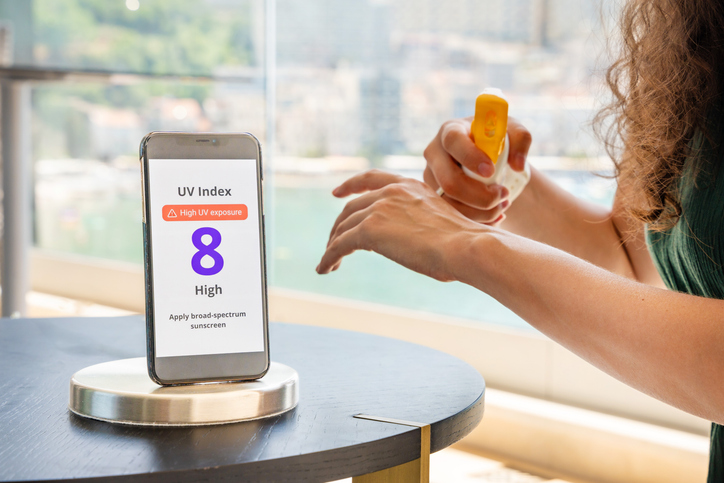
Many people assume that ultraviolet light is the only reason pigmentation develops. However, research has shown that heat itself may also contribute to pigmentation, particularly in individuals prone to melasma.
Heat exposure can come from hot weather, outdoor exercise, saunas, steam rooms, hot yoga, cooking over a hot stove or spending long periods in high temperatures.
In susceptible individuals, heat may stimulate pigment-producing cells even when sunscreen has been applied correctly. This partly explains why some people notice worsening pigmentation during Australian summers despite being diligent with sun protection.
For patients with melasma, reducing excessive heat exposure may sometimes form part of an overall management strategy alongside skincare, sun protection and professional treatments.
Hormones Can Continue Driving Pigmentation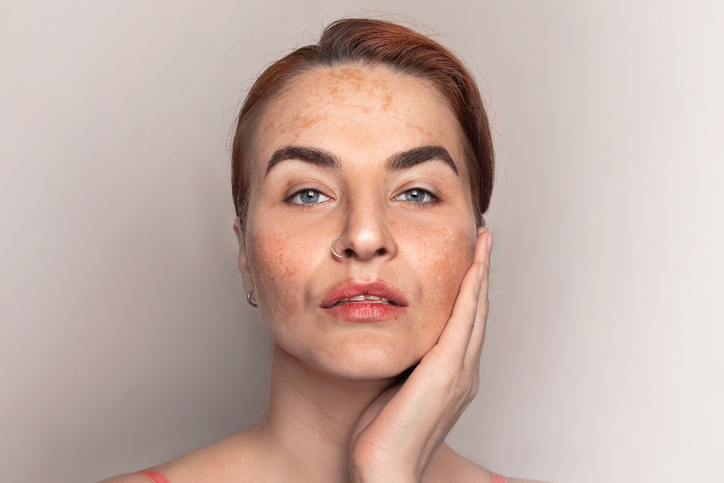
Hormonal changes are another common reason pigmentation returns. Melasma is particularly associated with pregnancy, the oral contraceptive pill, hormone replacement therapy (HRT) and natural hormonal fluctuations. Some women may also notice changes in pigmentation during perimenopause or menopause as hormone levels change. Genetics can also influence how likely someone is to develop recurrent pigmentation, with some individuals being more susceptible than others.
These hormonal influences can continue long after pigmentation has first appeared. Even when pigment has faded following treatment, ongoing hormonal stimulation may encourage melanocytes to become active again. Many patients experience periods when their pigmentation remains stable, followed by times when hormonal changes make it more noticeable again.
Why Good Skincare Sometimes Reaches a Plateau
Many patients invest in high-quality skincare and initially notice brighter, more even-looking skin. Over time, however, the improvements may seem to slow or stop.
This doesn’t necessarily mean your skincare has stopped working.
Instead, it may reflect the fact that skincare can only influence certain parts of the pigment production process. Medical-grade skincare products containing ingredients such as vitamin C, retinoids, niacinamide, azelaic acid or other pigment-regulating ingredients may help improve skin tone and reduce the appearance of some pigmentation. However, they cannot always prevent pigment-producing cells from being reactivated by ongoing triggers such as ultraviolet exposure, heat or hormonal influences.
Think of skincare as helping to manage pigmentation rather than permanently switching it off. For many people, good skincare forms the foundation of treatment, but it often works best as part of a broader, individualised plan.
Why Professional Treatments Don’t Always Stop Pigmentation Returning
Professional treatments can improve the appearance of pigmentation by targeting excess pigment within the skin or encouraging skin renewal. Depending on the type of pigmentation and your skin assessment, your practitioner may discuss options such as:
- laser treatments
- chemical peels
- light-based treatments
- medical-grade skincare
Different treatments work in different ways and are selected according to the type of pigmentation, skin type and individual circumstances. However, even after successful treatment, new pigment can develop if the original trigger remains active.
For example, someone with melasma who undergoes laser treatment may still notice pigmentation gradually returning if hormonal influences continue or if their skin is repeatedly exposed to heat and ultraviolet radiation. This doesn’t necessarily mean the treatment has failed. Rather, it reflects the ongoing nature of many pigment conditions.
Maintenance Is Often Just as Important as the Initial Treatment
One of the biggest differences between short-term improvement and longer-lasting results is maintenance. Many skin conditions require ongoing management rather than a single treatment.
Pigmentation is no different.
Depending on your skin concerns and clinical assessment, your practitioner may recommend a maintenance programme that could include:
- ongoing use of appropriate skincare
- daily broad-spectrum sunscreen
- hats and other sun-protective measures
- review appointments
- occasional maintenance procedures where clinically appropriate
Rather than waiting until pigmentation becomes obvious again, maintenance aims to manage the factors that contribute to recurrent pigmentation. Your treatment plan should always be individualised and reviewed as your skin changes over time.
Sun Protection Remains the Most Important Daily Habit
If there is one daily habit that consistently supports pigmentation management, it is protecting your skin from ultraviolet radiation. Australia has one of the highest levels of ultraviolet (UV) radiation in the world, making daily sun protection an essential part of managing pigmentation.
Consistent sun protection includes applying a broad-spectrum SPF 50+ sunscreen each morning, wearing a wide-brimmed hat and sunglasses when outdoors, seeking shade during periods of high UV, and reapplying sunscreen as directed, particularly after swimming or prolonged time outside. Even relatively brief periods of unprotected sun exposure can stimulate melanocytes, the cells responsible for producing pigment, in susceptible individuals, contributing to the recurrence or worsening of pigmentation over time.
Many people also underestimate incidental exposure, such as driving, walking between buildings or sitting near windows. Consistency is often more important than occasional intensive protection.
Setting Realistic Expectations
One of the most helpful conversations patients can have with their treating practitioner is about expectations. Some pigmentation responds quickly and remains stable for years.
Other types, particularly melasma, can behave more like chronic skin conditions that fluctuate over time. The goal is often to reduce the appearance of pigmentation, improve skin tone and help minimise recurrence where possible. Understanding this can make treatment less frustrating and allows patients to make informed decisions about ongoing skin care.
When Should You Seek Professional Advice?
If your pigmentation:
- is changing rapidly
- becomes darker or irregular
- develops unusual colours
- bleeds or crusts
- is not responding to appropriate skincare
it is important to seek assessment by an appropriately qualified healthcare professional. Not every brown mark is harmless pigmentation. Some pigmented lesions require medical assessment to establish an accurate diagnosis.
Early assessment helps ensure that the most appropriate management plan is recommended for your individual circumstances.
Pigmentation is rarely a condition that can simply be “removed forever.” For many people, it reflects an ongoing interaction between genetics, hormones, ultraviolet exposure, heat and the skin’s own pigment-producing cells.
The encouraging news is that there are many evidence-based strategies that may help improve the appearance of pigmentation and support healthier-looking skin. Understanding your specific type of pigmentation, recognising your individual triggers and following an appropriate long-term management plan can often make a meaningful difference.
At ENRICH Clinic, we understand that every patient’s skin is unique. We take the time to assess your individual concerns, discuss the factors contributing to your pigmentation and recommend an evidence-based treatment plan tailored to your skin and goals. When medical assessment or specialist dermatology expertise is appropriate, our close collaboration with the Dermatology Institute of Victoria (DIV) ensures patients have access to comprehensive skin care within the same trusted clinical network.
Book a consultation with the experienced team at ENRICH Clinic to discuss your concerns and learn about the treatment options that may be appropriate for your skin.
Frequently Asked Questions
Why does my pigmentation keep coming back after laser treatment?
Laser treatments can improve the appearance of many types of pigmentation, but they may not prevent new pigment from forming if ongoing triggers such as ultraviolet exposure, hormones or heat continue to stimulate pigment-producing cells.
Can pigmentation ever be permanently removed?
Some types of pigmentation, such as certain sun spots, may improve significantly following treatment. Other conditions, including melasma, often require ongoing management because the factors contributing to pigment production may persist.
Can heat really make pigmentation worse?
Yes. Research suggests that heat may contribute to pigmentation in susceptible individuals, particularly those with melasma. This is one reason pigmentation may worsen during warmer months, even with good sun protection.
Why did my pigmentation return even though I wear sunscreen every day?
While sunscreen is an important part of managing pigmentation, it cannot completely prevent all triggers. Hormones, genetics, inflammation and heat may also contribute to recurrent pigmentation.
Does pigmentation get worse with age?
Pigmentation may become more noticeable over time because of cumulative ultraviolet exposure, natural skin ageing and hormonal changes. The type of pigmentation often determines how it behaves over the years.
Is expensive skincare enough to treat pigmentation?
Good skincare can play an important role in managing pigmentation and supporting skin health. However, some types of pigmentation may require a combination of skincare, sun protection and professionally guided treatments depending on the underlying cause.
Can pigmentation return after pregnancy?
Yes. Pregnancy-related melasma may improve after pregnancy, but it can recur with future hormonal changes, sun exposure or heat.
What is the best way to manage pigmentation long term?
Long-term management usually involves an individualised combination of appropriate skincare, sun protection, lifestyle measures and review with your treating practitioner where appropriate.