“Skin Longevity”: Why Everyone Is Talking About It
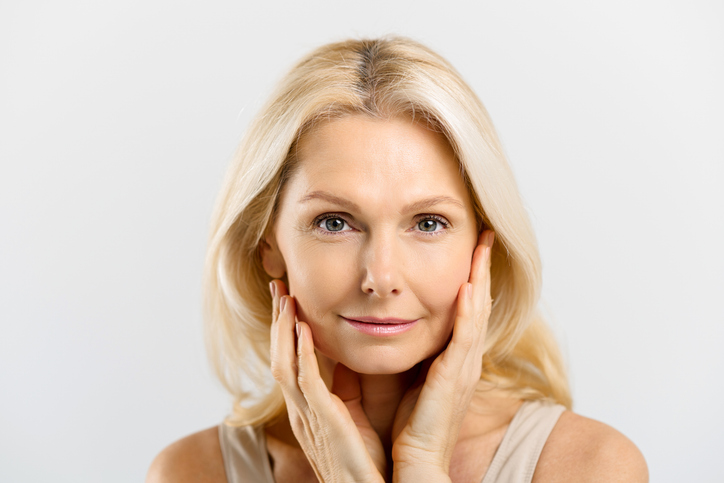
For years, the beauty and cosmetic industry has focused heavily on the idea of “anti-ageing.” The phrase was everywhere — from skincare advertisements to cosmetic treatment marketing. But recently, a noticeable shift has occurred. Increasingly, people are talking about skin longevity instead.
And the difference is more than just wording.
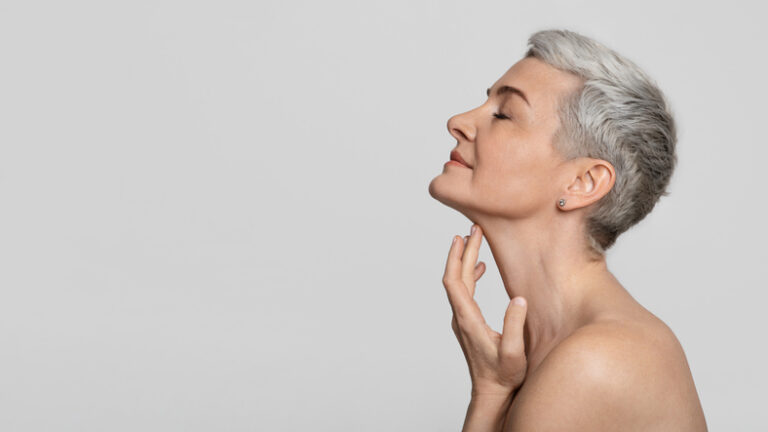
Skin longevity reflects a more modern, realistic, and health-focused approach to skin care. Rather than trying to “reverse ageing,” another unrealistic term, the focus is now on supporting the skin so it functions well for as long as possible. It’s about maintaining skin quality, supporting collagen, protecting the skin barrier, and creating long-term treatment plans that prioritise healthy skin over dramatic change.
At ENRICH Clinic, this approach aligns closely with how many patients now want to care for their skin: subtly, preventively, personalised, and sustainably.
What does “skin longevity” actually mean?
Skin longevity refers to supporting the long-term health, strength, and function of the skin over time.
Rather than focusing solely on treating visible wrinkles, skin longevity considers:
- Collagen preservation
- Skin quality and texture
- Hydration and barrier health
- Pigmentation management
- Prevention of cumulative sun damage
- Supporting skin resilience as we age
- Lifestyle factors that influence skin ageing
It recognises that ageing is natural, but that there are ways to support healthier skin through every stage of life.
Why has the term “skin longevity” become so popular?
Another reason the phrase skin longevity has gained traction is that it reflects a broader shift happening across health, wellness, and aesthetic medicine. Consumers are increasingly focused on long-term well-being rather than quick fixes, and that thinking has naturally extended to skincare.
The word “longevity” is now commonly linked with ideas such as preventative health, healthy ageing, wellness routines, resilience over time, and evidence-informed lifestyle choices. While these are strong marketing concepts, the definition can sometimes become broad or unclear depending on how the term is used.
One of the positives, however, is that “skin longevity” offers a more modern and balanced way to discuss skin health compared with older phrases like “anti-ageing,” shifting the conversation toward maintaining healthy skin rather than trying to “fight” ageing itself.
In addition, social media, wellness trends, dermatology-led education, and advances in non-surgical treatments have helped fuel the term’s popularity. There is also a positive side to this shift, as many people are now more focused on maintaining skin quality, on prevention rather than correction, and on achieving natural-looking results through gradual, subtle improvements, perhaps signalling the beginning of the end for the overfilled “chipmunk” aesthetic.
The phrase also resonates with younger patients who are increasingly investing in preventive skincare earlier in life.
Is “skin longevity” a medical term?
It is important to note that skin longevity is not currently a formal medical diagnosis or recognised medical specialty term.
Instead, it is a broad consumer and aesthetic industry phrase used to describe strategies aimed at supporting long-term skin health and function.
Because it is not a defined medical term, “skin longevity” can mean slightly different things depending on the practitioner, clinic, skincare brand, or media source using it.
At its core, however, the concept generally refers to supporting healthier, stronger, and more resilient skin over time rather than attempting to slow the ageing process, which is not an achievable goal.
Why people are moving away from age-reversing terms
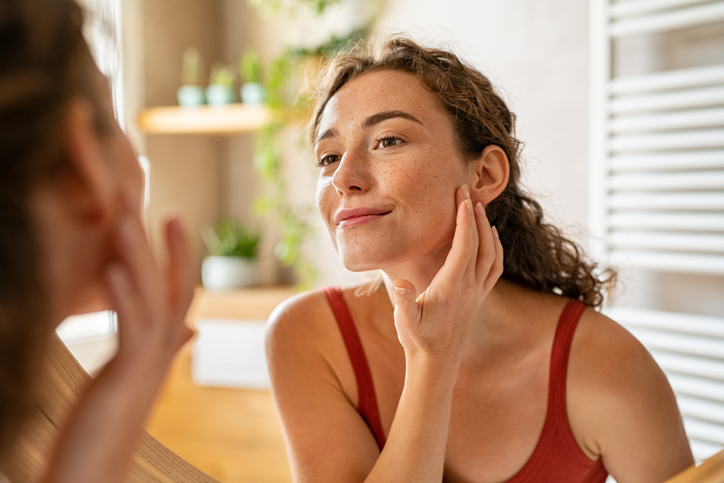
The phrase “anti-ageing” suggests that ageing itself is negative or could be stopped entirely. Many people no longer connect with that message or understand the marketing terminolgy is just not viable as an outcome.
Patients are increasingly seeking natural-looking outcomes, confidence in their skin rather than perceived perfection, preventative approaches, education-led treatment planning, and options that fit more realistically into everyday life with minimal downtime.
The rise of skin longevity also reflects broader wellness trends. Just as people now talk about longevity in relation to health, exercise, sleep, and nutrition, skin is becoming part of that conversation too.
Collagen preservation versus “fixing wrinkles”
One of the biggest differences between skin longevity and older cosmetic messaging is the focus on collagen preservation.
Collagen is a naturally occurring protein that helps provide structure, firmness, and support to the skin. Over time, collagen production gradually slows due to factors such as natural ageing, UV exposure, smoking, stress, inflammation, hormonal changes, and environmental influences, all well-established contributors to skin ageing and collagen decline, rather than new revelations in skin science.
Traditionally, many treatments focused primarily on correcting visible wrinkles after they had already formed. Skin longevity takes a more preventative approach by supporting collagen earlier and maintaining skin quality over time.
This does not mean trying to stop ageing. Instead, it means supporting skin health before more significant changes develop.
At Dermatology Institute of Victoria (DIV) and ENRICH Clinic, treatment plans are often discussed as part of an overall skin journey rather than a one-off “quick fix.”
Prevention versus correction
Another major trend driving the popularity of skin longevity is the move toward prevention rather than correction.
Preventative skin care may include daily sunscreen use, early management of pigmentation, supporting hydration and barrier function, lifestyle measures such as sleep and nutrition, monitoring changing skin lesions on a regular basis and addressing collagen decline gradually over time as part of a holistic plan.
This approach may help reduce the progression of some visible skin changes associated with ageing and environmental damage.
Many patients are now starting treatment plans earlier, not necessarily because they want a dramatic cosmetic change, but because they want to maintain skin quality over time, and they have taken the time to educate themselves.
Why subtle treatment plans are trending
There has also been a noticeable shift toward subtler cosmetic outcomes. Many patients now say they want to look refreshed rather than “done”, improve skin quality naturally and address redness, pigmentation, or texture as it arises
The focus on healthy skin rather than dramatic volume changes has also led patients to seek to maintain facial movement; less is more now. All of this has contributed to the growing popularity of combination treatment planning. Instead of relying on a single treatment, skin longevity plans often combine multiple lower-intensity approaches over time.
For example, a treatment plan may include a combination of vascular laser treatments, Medical-grade skincare, and LED light treatments for blood vessels, or maybe skin resurfacing. Monthly skin peels and sun protection for pigmentation ( age spots and sun damage)
The goal is often gradual improvement and ongoing maintenance rather than sudden transformation.
Lifestyle factors play a major role in skin longevity
While treatments can support skin quality, lifestyle factors remain incredibly important.
Some of the biggest contributors to long-term skin health include:
Sun protection
UV exposure remains one of the most significant contributors to premature skin ageing. Daily sunscreen use, hats, sunglasses, and seeking shade can all help reduce cumulative sun damage.
Sleep
Poor sleep may contribute to inflammation, impaired skin barrier recovery, and dull-looking skin.
Nutrition
A balanced diet rich in antioxidants, healthy fats, and hydration supports overall skin function.
Smoking
Smoking is strongly associated with premature skin ageing and collagen breakdown.
Stress management
Chronic stress may affect inflammation levels and skin barrier function.
Consistent skincare
Consistency often matters more than complexity. A simple routine recommended by a qualified professional may help support long-term skin health.
Skin longevity and menopause ( and andropause)

Skin longevity is also becoming an important conversation during menopause and perimenopause.
Hormonal changes can affect skin thickness, hydration, elasticity, collagen production, pigmentation, and skin sensitivity.
Many women and some men notice skin changes accelerate during this period. This is why treatment plans increasingly focus on maintaining skin quality and supporting skin resilience.
Technology and the rise of skin longevity treatments
Advances in dermatology and aesthetic medicine have also contributed to the popularity of skin longevity. Modern treatments often aim to support skin function and stimulate collagen in a gradual, controlled way.
At ENRICH Clinic and DIV, discussions about skin longevity may include a range of technologies designed to support skin quality, collagen stimulation, texture, pigmentation, and overall skin maintenance over time. Rather than focusing on dramatic change, these treatments are often considered as part of a broader long-term skin health plan tailored to the individual.
Here are just some of the technologies that may be discussed during a consultation:
Alma Hybrid, which combines different laser technologies that may assist with skin resurfacing, texture concerns, and collagen support.
Secret RF, a radiofrequency microneedling treatment often used in discussions around skin texture, scarring, skin firmness, and collagen stimulation.
Tixel Treatment, which may be used to support skin rejuvenation, texture improvement, and certain superficial skin concerns with relatively minimal downtime for some patients.
Ultraformer a non-surgical skin tightening technology that may be discussed as part of maintaining skin firmness and supporting collagen production over time.
Laser resurfacing options, which may assist with concerns such as uneven texture, pigmentation, sun damage, and overall skin quality.
Vascular laser treatments, which can be part of managing visible redness, broken capillaries, and vascular skin concerns often associated with cumulative sun exposure and skin ageing.
As with any cosmetic or dermatological procedure, suitability varies from person to person depending on skin type, medical history, skin concerns, and treatment goals. A consultation with a qualified practitioner is important to determine whether a particular treatment may be appropriate.
The suitability of any treatment depends on individual skin concerns, medical history, skin type, and treatment goals. A consultation with a qualified practitioner is important before deciding whether a treatment is appropriate.
Skin longevity is about long-term thinking
Perhaps the biggest reason skin longevity has become such a strong trend is that it encourages a healthier mindset around skin care. It’s pretty much what dermatologists have been talking about for years, but just packaged up now in this terminology.
Instead of chasing perfection or following aggressive trends, it promotes healthy skin habits, sustainable treatment planning, prevention, realistic expectations, personalised care, and long-term skin support.
For many people, that feels far more achievable and positive.
The future of aesthetic medicine may look more natural
The popularity of skin longevity suggests that the future of aesthetic medicine may continue moving toward natural-looking outcomes, prevention-focused care and education-led treatment planning.
Patients are increasingly informed and often want collaborative discussions about their goals rather than a one-size-fits-all approach. We love this and have always encouraged our patients to be part of the discussion. At ENRICH Clinic, consultations are designed to explore skin concerns, lifestyle factors, and treatment goals, and to help patients understand their available options.
Skin longevity is more than a trend; it actually reflects a broader shift in how people think about skin health and ageing.
Rather than trying to stop ageing altogether (which you can’t), the focus is increasingly on supporting healthier skin through every decade of life. Prevention, collagen preservation, lifestyle factors, and subtle treatment planning are becoming central parts of modern skin care conversations.
For many patients, that approach feels more realistic, sustainable, and aligned with overall well-being.
Ageing is inevitable, but how we care for our skin over time continues to evolve. Skin longevity as a concept tends to focus on maintaining healthy, resilient skin across different stages of life, rather than concentrating solely on ageing itself. If you would like to explore your skin concerns or discuss treatment options that may suit your goals, the team at ENRICH Clinic and The Dermatology Institute of Victoria can guide you through the available options during a personalised consultation.
FAQs
What is skin longevity?
Skin longevity refers to supporting the long-term health, strength, and quality of the skin through prevention, collagen support, lifestyle factors, skincare, and personalised treatment planning.
Is skin longevity different from ” reverse ageing” ?
Yes. “ageing terms ” traditionally focused on trying to reverse visible signs of ageing, while skin longevity focuses more on maintaining healthy skin function and supporting the skin over time.
What treatments support skin longevity?
Depending on the individual, treatments may include laser resurfacing, collagen-stimulating treatments, medical-grade skincare, vascular treatments and preventative skin care strategies.
Can collagen production be preserved?
Collagen naturally declines with age, but lifestyle factors, sun protection, and some treatments may help support collagen production and skin quality over time.
Why are subtle cosmetic treatments becoming more popular?
Many people now prefer natural-looking outcomes and gradual improvement rather than dramatic cosmetic change. Subtle treatment plans often focus on skin quality and long-term maintenance.
Does sunscreen help with skin longevity?
Yes. UV exposure is one of the major contributors to premature skin ageing. Daily sunscreen use can help reduce cumulative sun damage. When asked about the best anti-aging cream, we always say SPF50+.
How does menopause affect skin ageing?
Hormonal changes during menopause may affect hydration, elasticity, collagen levels, and skin thickness, which is why many women notice changes in skin quality during this time.
What is the best age to start preventative skin treatments?
There is no single “best” age. Preventative approaches may start with sun protection and skincare in younger years, while treatment plans vary depending on individual concerns and goals.