Does Skin Health Change With Time?
Australia has one of the highest rates of skin conditions globally, driven by climate, UV exposure, lifestyle, and an ageing population. While many dermatological concerns remain consistent over time, their frequenc and how we manage them can shift with each decade.
At ENRICH Clinic, we see patterns emerge across generations. Increased awareness, improved diagnostic tools, and evolving environmental factors all influence what walks through the clinic doors.
So, what are the most common dermatological conditions Australians are dealing with today—and how do they compare to the past?
The Top 5 Dermatological Conditions in Australia (Current Trends)
1. Skin Cancer (Including Melanoma and Non-Melanoma)
Australia continues to have one of the highest rates of skin cancer in the world. Long-term UV exposure remains the leading cause, and despite public health campaigns, incidence rates remain high.
Skin cancers come in three main forms
- Basal Cell Carcinoma (BCC) – The most common type
- Squamous Cell Carcinoma (SCC) – The second most common type
- Melanoma – Less common, but more serious and there are four types of melanoma as well.
Skin checks and early detection remain critical. While awareness has improved significantly over the past few decades, cumulative sun exposure means this condition continues to dominate.
2. Acne (Across All Age Groups)
Once thought to be a teenage concern, acne is now commonly seen in adults, particularly women in their 20s–40s. Hormonal fluctuations, stress, and lifestyle factors all contribute.
It is important to note that there isn’t just one type of acne—and it’s not as simple as a single number either. Clinically, acne is usually grouped into 5 main types, based on how it presents on the skin. Most people will experience a combination of these, rather than just one.
- Comedonal Acne (Blackheads & Whiteheads)
- Papular Acne
- Pustular Acne
- Nodular Acne
- Cystic Acne
Beyond these 5 types, acne is often also described by cause or timing, such as:
- Hormonal acne (often jawline/chin, common in young adults & menopausal women)
- Adult acne (30s–40s and beyond)
- Back/chest acne (bacne)
- Acne mechanica (caused by friction—e.g. masks, helmets)
Treatment approaches have evolved to include a combination of clinical treatments, medications and dermatologist-recommended skincare, rather than a one-size-fits-all approach. These days, once the infection subsides, treatments such as the Secret RF may be included in treatment plans targeting acne scarring and skin texture. Other laser-based treatments may also be discussed depending on skin type and history.
The focus is less about “quick fixes” and more about structured, staged improvement over time.
3. Rosacea
Often mistaken for acne or general redness, rosacea is increasingly diagnosed due to better awareness. It typically affects adults over 30 and can present with flushing, visible vessels, and inflammatory bumps. There are also at least 5 different forms of rosacea, and a proper diagnosis is important before any treatment.
Triggers such as heat, alcohol, and stress play a significant role, particularly in Australia’s climate. Its is impirtnat to note that rosacea is chronic but manageable, not caused by poor hygiene and very common (especially in fairer skin types)
Vascular laser treatments may be used to manage visible redness and vessels, and light-based therapies may be incorporated into a broader plan. Management is typically ongoing rather than one-off, with adjustments over time.
With the right approach, most people can reduce flare-ups and improve overall skin comfort and appearance.
4. Pigmentation (Melasma & Sun Damage)
Pigmentation concerns, including melasma and sunspots, are highly prevalent in Australia due to UV exposure.
Over the past decade, treatment strategies have shifted toward combination approaches, including sun protection, topical therapies, and carefully selected energy-based treatments. Your first port of call should always be wearing factor 50+ sunscreen every day.
Energy-based treatments, such as fractional laser platforms, may be appropriate for skin quality and photodamage. Your skin type matters significantly in treatment, so it’s important to get an appropriate clinical assessment beforehand.
5. Eczema (Atopic Dermatitis)
Eczema is increasingly common, particularly in children but also in adults. Environmental factors, allergens, and genetic predisposition all contribute. There is growing awareness of the importance of skin barrier function and long-term management strategies.
Procedural treatments are generally not first-line but may be discussed in specific contexts. Focus is primarily on medical management and skincare. This is a condition in which consistency in management is more important than the intensity of intervention.
Do These Conditions Change Every Decade?
The conditions themselves don’t necessarily change—but their frequency, triggers, and management approaches do.
What has changed over time:
- Increased diagnosis: Better awareness means more people seek help earlier
- Environmental impact: UV exposure, pollution, and climate shifts influence skin health
- Lifestyle factors: Stress, diet, and screen exposure (yes—even blue light discussions) play a role
- Ageing population: More patients are seeking support for age-related skin concerns
- Treatment evolution: Less invasive, more targeted approaches are now available
For example, acne has shifted from being primarily adolescent to increasingly adult-focused, while pigmentation has become more prominent due to cumulative sun exposure and aesthetic awareness.
Emerging & Common Conditions (Top 10 Today – Quick Overview)
Alongside the top five, here’s a broader look at the top 10 dermatological conditions currently seen in Australian clinics:
6. Psoriasis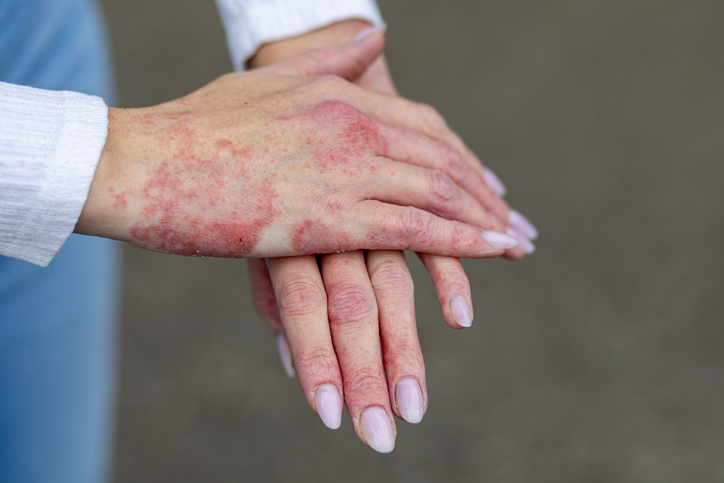
A chronic inflammatory condition that presents as red, scaly plaques. It can fluctuate over time and may be linked to immune system activity.
7. Seborrhoeic Dermatitis
Often seen as dandruff or redness around the nose and scalp. It’s common and manageable but can be persistent.
8. Hyperhidrosis (Excessive Sweating)
A condition that affects quality of life, particularly in warmer climates. Awareness and treatment options have increased significantly.
9. Hair Loss (Alopecia)
Hair thinning and loss affect both men and women and can be influenced by genetics, hormones, and stress.
10. Vascular Conditions (e.g., Spider Veins, Broken Capillaries)
These are increasingly treated due to both medical and cosmetic concerns, particularly on the face and legs.
Why These Conditions Matter More Now
There has been a clear shift from purely medical concerns to a blend of medical, quality-of-life, and aesthetic awareness. Patients are not only seeking diagnosis—they’re seeking clarity about their condition, long-term management plans and treatment options that fit their lifestyle.
At ENRICH Clinic and DIV, this often means combining clinical expertise with tailored treatment planning.
When Should You Seek Advice?
It’s worth having your skin assessed if you notice:
- Changes in moles or pigmentation
- Persistent redness or irritation
- Breakouts that don’t resolve
- Sudden hair loss or skin changes
- Ongoing dryness, itching, or inflammation
Early assessment can provide clarity and help guide appropriate management. We also suggest annual skin checks by a dermatologist to catch anything that might crop up incidentally or go unnoticed by you.
Treatment Approaches: Then vs Now
Historically, treatment options were more limited and often reactive.
Today, dermatological care is more preventative (early intervention and maintenance), more personalised (based on skin type, lifestyle, and goals) and more integrated (combining clinical treatments with skincare and lifestyle adjustments). Importantly, all treatment decisions should be made in consultation with a qualified medical professional.
While the top dermatological conditions in Australia remain relatively consistent, our understanding and management of them continue to evolve.
Increased awareness, better technology, and a more holistic approach to skin health mean patients are better supported than ever before.
If you’re unsure about a skin concern, a consultation with a qualified practitioner can help you understand your options and next steps.
Making a booking at Enrich Clinic or the Dermatology Institute of Victoria, let’s see how we can help manage any of your skin health issues.