Why More People Are Choosing Proactive Preventative Skin Treatments
For many years, cosmetic skin treatments were largely associated with correcting visible signs of ageing, such as wrinkles, pigmentation and changes in skin firmness. Today, the conversation is gradually shifting. Rather than waiting for skin concerns to become more noticeable, some people are exploring ways to maintain their skin health and quality over time. This approach is often described as proactive skincare or preventative skin treatments. It reflects a growing interest in collagen health, skin barrier function, sun protection and the factors that influence how our skin changes throughout life.
Social media has also introduced terms such as “collagen banking” and “prejuvenation”, particularly among younger adults exploring cosmetic dermatology. But how much of this approach is supported by science, and how much is marketing?
Importantly, proactive skin care does not mean starting cosmetic procedures as early as possible. Understanding how the skin ages, what can be influenced and when treatment may be appropriate is far more useful than following a particular trend.
What does proactive skin care actually mean?
Proactive skin care focuses on maintaining healthy skin function, reducing avoidable damage, and addressing individual concerns before they become harder to manage.
This may involve relatively simple measures, such as daily sun protection, appropriate cleansing, moisturising and using skincare ingredients suited to your skin type. For some people, it may also involve professional assessment and selected dermatological treatments. The key difference is that proactive care isn’t necessarily about changing how someone looks. It is about understanding their skin, identifying contributing factors and making informed decisions about its long-term health.
A person experiencing persistent pigmentation, for example, may benefit from understanding whether sun exposure, hormonal changes or an underlying skin condition is contributing to the problem. Someone concerned about skin texture may need an entirely different approach.
At ENRICH Clinic, an individual skin assessment and consultation are an important part of determining whether treatment is appropriate and which options to consider.
Can you really prevent skin ageing?
The short answer is no. Skin ageing is a natural biological process that cannot be stopped. However, you can reduce or manage some factors that contribute to premature skin ageing. To understand this, it helps to distinguish between two types of ageing: intrinsic and extrinsic.
Intrinsic ageing is the natural ageing process influenced by genetics, hormones and biological changes within the body. Over time, the skin’s ability to renew and repair itself changes. Collagen and elastin undergo structural changes; the skin may become thinner, and alterations in underlying fat and supporting tissues can affect facial contours.
Extrinsic ageing is linked to external influences, including ultraviolet (UV) radiation, smoking, pollution, and certain lifestyle factors. These can contribute to pigmentation, uneven texture, wrinkles and changes in skin elasticity.
Although intrinsic ageing cannot be prevented, reducing avoidable environmental damage may help maintain healthier skin over time.
How much skin ageing is caused by sun exposure?
One of the most significant contributors to premature skin ageing is UV radiation. Cancer Council Australia identifies UV exposure as accounting for approximately 80% of visible premature skin ageing. This figure relates to photoageing and should not be interpreted as meaning that 80% of all biological skin ageing is caused by the sun.
UV radiation can damage DNA, contribute to pigmentation changes and affect collagen and elastin within the skin. Repeated exposure over many years may lead to visible changes in skin texture, firmness and colour. In Australia, where UV levels can be high throughout much of the year, sun protection is particularly important.
Using broad-spectrum SPF50 or SPF50+ sunscreen, alongside protective clothing, shade, and other sun-safe behaviours, remains one of the most practical steps to reduce avoidable skin damage. Sun protection is recommended whenever UV levels reach 3 or above, and additional protection may be appropriate for people with particular skin conditions or using photosensitising treatments.
No cosmetic procedure can replace the importance of ongoing UV protection.
Collagen production: what changes as we age?
Collagen is a naturally occurring structural protein that provides strength and support to the skin. Alongside elastin and other components of the extracellular matrix, it helps maintain the skin’s structure and resilience.
The body continually produces and breaks down collagen as part of normal tissue maintenance. However, this balance shifts with age. Research suggests that collagen content and renewal gradually change during adulthood, though no single birthday marks a sudden decline in collagen production. The commonly repeated claim that everyone loses exactly 1% of collagen each year after age 25 oversimplifies the process.
Hormonal changes, particularly around menopause, can also influence collagen levels, skin thickness and elasticity. These changes help explain why skin may gradually become less firm, develop fine lines or respond differently to environmental stressors.
However, collagen is only one component of skin ageing. Changes in elastin, hydration, pigmentation, facial fat and underlying support structures all contribute to how skin looks and functions. Understanding these different layers matters because treatments targeting the skin’s surface do not necessarily address changes deeper within the tissue.
What is collagen banking — science or social-media buzzword?
“Collagen banking” has become a popular phrase in preventative cosmetic dermatology, particularly on social media. The idea is that encouraging collagen production earlier in adulthood may help maintain skin quality later in life. It is often associated with procedures designed to stimulate the skin’s natural repair responses.
While collagen production and remodelling are real biological processes, collagen banking is not an established medical concept with proven long-term benefits. Unlike depositing money into a bank account, you can’t store collagen indefinitely for later use. The skin is continually remodelling its collagen network, and ageing continues regardless of previous treatments.
Some dermatological procedures may stimulate collagen remodelling or improve particular aspects of skin texture and appearance. However, evidence that beginning these procedures at a younger age prevents future ageing is limited. The term can help start a conversation about collagen health, but it should not be taken as a reason to undergo unnecessary cosmetic treatments.
Are younger people starting cosmetic skin treatments earlier?
Younger adults are increasingly interested in cosmetic dermatology, partly because of greater access to skincare information, social media, and awareness of available treatments. Rather than seeking dramatic changes, some people are interested in skin texture, pigmentation, acne scarring or maintaining their existing skin quality. However, younger does not automatically mean better when it comes to treatment timing.
Healthy skin does not necessarily benefit from cosmetic procedures simply because they are available. There is also no convincing evidence that routinely starting cosmetic treatments in your twenties will guarantee better-looking skin in your forties or fifties. Treatment decisions should be based on a person’s skin concerns, medical history, clinical assessment, and available evidence, rather than age alone.
For younger adults without significant skin concerns, sun protection and a consistent, appropriate skincare routine may be more beneficial than cosmetic procedures. However, concerns such as acne scarring, which can develop during adolescence and early adulthood, may warrant earlier professional assessment and treatment. Addressing these concerns early, where clinically appropriate, may help improve skin texture and manage the longer-term effects of scarring.
Where do collagen-stimulating treatments fit into preventative skin care?
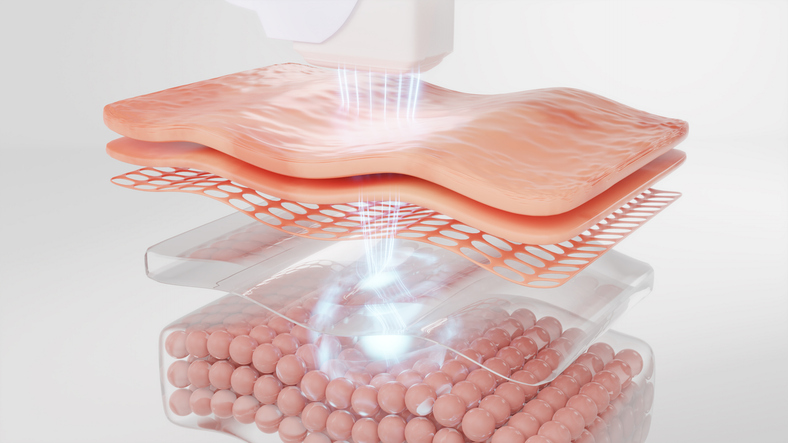
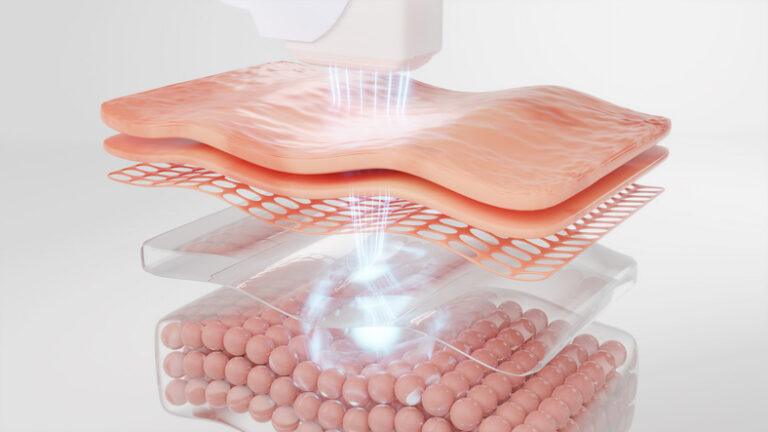
Certain dermatological procedures create controlled changes within the skin that can encourage tissue repair and collagen remodelling. These may include fractional laser treatments, radiofrequency-based procedures and skin needling. Depending on the technology, they may be considered for concerns such as acne scarring, uneven texture, fine lines or changes in skin quality.
For example, fractional laser technologies create controlled treatment zones within the skin, initiating repair processes that may include collagen remodelling. Radiofrequency microneedling combines needle penetration with thermal energy delivered at selected depths.
These approaches work differently and are not interchangeable. Their suitability depends on factors including skin type, pigmentation, medical history, treatment goals and tolerance for recovery time. Procedures also carry risks, including discomfort, redness, swelling, infection, scarring, and changes in pigmentation. Outcomes vary, and some patients may not achieve their desired improvement.
Importantly, a treatment’s ability to stimulate collagen does not automatically make it a valuable preventive procedure for someone without a clinical concern.
Is skin rejuvenation a medical term or a marketing concept?
“Skin rejuvenation” is widely used to describe treatments intended to improve visible aspects of skin appearance, including texture, pigmentation and fine lines. Although the term is commonly used in dermatology and cosmetic medicine, it is broad and does not describe one specific medical procedure or biological outcome. In practice, cosmetic procedures may improve specific skin characteristics, but they do not reverse the entire ageing process. A more useful approach is to identify the specific concern being addressed, understand how the proposed treatment works and discuss the likely benefits, limitations and risks.
Why more treatment isn’t necessarily better
One potential drawback of the preventative treatment trend is the assumption that regular procedures are always beneficial. Skin needs time to recover after many cosmetic or dermatological treatments. Excessive exfoliation, repeated energy-based procedures or combining treatments without appropriate assessment may contribute to irritation, inflammation, barrier disruption or other complications.
Treatment frequency should therefore be determined individually, rather than following a fixed schedule promoted online. Some patients may benefit from a course of treatments for a particular concern. Others may require occasional reassessment, while some may not need cosmetic procedures at all.
Age, skin type, existing conditions, previous treatments, healing responses and personal goals should all influence the decision. A sensible long-term skin plan should allow for periods when no treatment is required.
Can lifestyle influence how skin ages?
Yes. Although genetics and intrinsic ageing play important roles, lifestyle can affect skin health and the amount of avoidable damage over time. Smoking, for example, is associated with changes in collagen and elastin, impaired circulation and premature skin ageing. Excessive UV exposure is another well-established contributor.
Adequate nutrition provides the amino acids, vitamins and other nutrients involved in normal tissue maintenance. Sleep, physical activity and managing chronic health conditions also contribute to general health, which can influence skin function. However, no single diet, supplement or lifestyle habit can prevent the biological ageing process.
For many people, maintaining a consistent skincare routine, protecting the skin from UV radiation and avoiding smoking are more meaningful starting points than pursuing multiple cosmetic procedures.
What does a sensible long-term skin plan look like?
An effective long-term skin plan begins with understanding your skin rather than selecting a treatment. This involves assessing skin type, existing concerns, medical history, environmental exposure and individual goals. It may also involve distinguishing cosmetic concerns from conditions that require medical dermatological management.
A plan might focus initially on sun protection, barrier support and suitable skincare ingredients. If you have specific concerns, a professional assessment can help determine whether a dermatological procedure is appropriate. As skin changes over time, the plan can be reviewed and adjusted. Treatments that were appropriate several years earlier may no longer be necessary, while new concerns may require a different approach.
At ENRICH Clinic, consultations provide an opportunity to discuss skin concerns, available options, expected outcomes, potential risks and aftercare before deciding whether to proceed. Ultimately, proactive skin care is not about preventing every wrinkle or resisting natural ageing. It is about making informed choices that support skin health throughout life.
Frequently Asked Questions
What is the best age to start preventative skin treatments?
There is no universally recommended age to begin cosmetic skin procedures. Appropriate timing depends on individual skin concerns and clinical indications. Sun protection and basic skincare can begin early, but cosmetic treatments should not be undertaken simply because someone has reached a particular age.
Can preventative treatments stop wrinkles from forming?
No treatment can completely prevent wrinkles. Some procedures may improve the appearance of certain lines or aspects of skin texture, but natural ageing, facial movement, genetics and environmental exposure continue to influence the skin.
Is collagen banking worth it?
Collagen banking is a popular expression rather than a scientifically established long-term prevention strategy. Although certain treatments may encourage collagen remodelling, there is insufficient evidence that undergoing them early in adulthood will prevent future skin ageing.
Is it better to use skincare products or have cosmetic treatments?
They serve different purposes. Sunscreen, moisturisers and appropriate skincare ingredients support everyday skin health. Procedures may address specific concerns that skincare alone cannot adequately manage. Cosmetic treatments are not a substitute for a consistent skincare routine.
How often should you have collagen-stimulating treatments?
No standard schedule fits everyone. Treatment frequency depends on the procedure, the condition being addressed, the individual’s healing response and the clinician’s assessment. More frequent treatment does not necessarily produce better outcomes and may increase the risk of adverse effects.
Can preventative skin care help with pigmentation?
Sun protection can reduce further UV-related damage and help manage some pigmentation concerns. Existing pigmentation may have different causes, including sun exposure, inflammation and hormonal influences. Accurate diagnosis is important because not all pigmentation responds to the same treatment, and not all skin types can be treated for pigmentation the same way .
Are preventative cosmetic treatments necessary for healthy skin?
No. Cosmetic procedures are not essential for maintaining healthy skin. Many people can support their skin through appropriate skincare, UV protection and healthy lifestyle habits without undergoing cosmetic procedures.
Can you start preventative skincare later in life?
Absolutely. It is never too late to adopt sun-safe habits and a skincare routine suited to your skin. Although existing changes may not be fully reversible, reducing further avoidable damage and addressing current concerns can be worthwhile at any adult age.
At ENRICH Clinic and the Dermatology Institute of Australia, consultations help assess your skin concerns, discuss your goals, and determine whether treatment is appropriate. Your clinician can explain available options, potential risks and expected outcomes to help you make an informed decision.