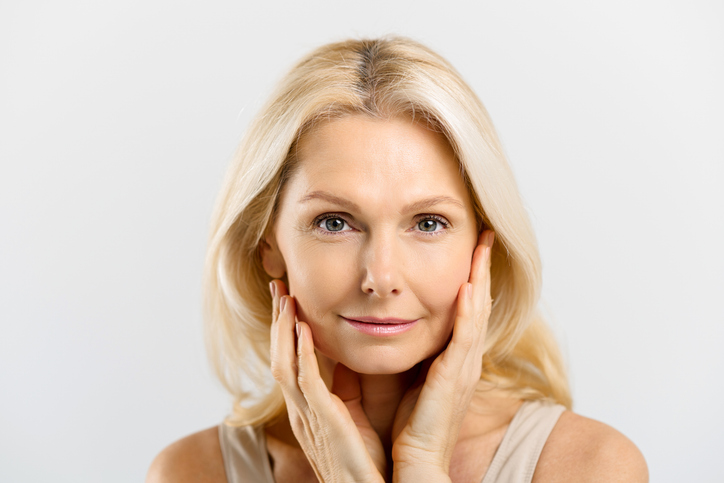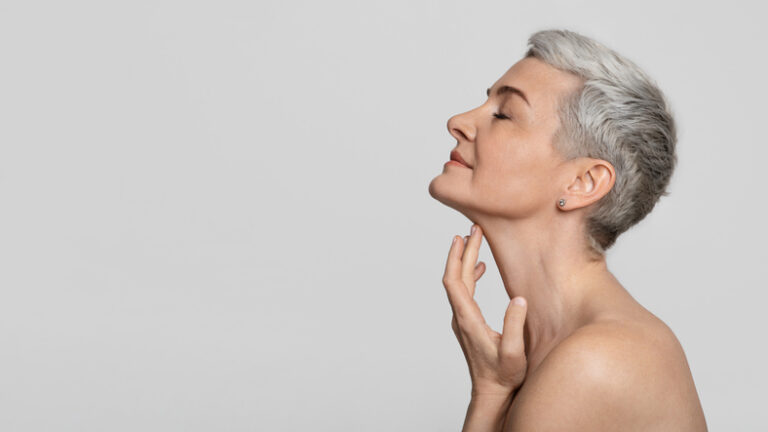
Most people have experienced it. You wake up after what should have been a decent night’s sleep, look in the mirror, and your skin still appears tired. Perhaps it looks dull, uneven, flat, shadowed, red, or simply lacking the healthy glow you remember. Friends might ask if you’re feeling run down even though you’ve had plenty of rest.
The truth is that “tired-looking skin” is not always caused by lack of sleep.
While sleep plays an important role in skin health, many other factors influence how fresh, vibrant, and healthy your skin appears. Changes in collagen production, sun damage, pigmentation, blood vessels, inflammation, hormonal changes, genetics and lifestyle factors can all contribute.
Understanding these factors is often the first step towards creating a personalised skin management plan.
What Does “Tired-Looking Skin” Actually Mean?
When patients describe their skin as looking tired, they are often referring to one or more of the following:
- Dullness or lack of radiance
- Uneven skin tone
- Rough skin texture
- Fine lines and creases
- Loss of skin firmness
- Redness or visible blood vessels
- Pigmentation or sun spots
- Dark circles beneath the eyes
- Hollowing or volume changes around the face
- Dry or dehydrated skin
It’s important to note that many of these changes occur gradually and may not be directly related to how much sleep you had the night before.
Collagen Loss Can Make Skin Look Fatigued
Collagen is one of the main structural proteins in the skin. It helps provide support, elasticity and firmness. As we age, collagen production naturally slows. Environmental factors such as UV exposure, smoking, pollution and chronic inflammation may also contribute to collagen degradation.
When collagen levels decrease, skin may appear less firm, more lined or creased and less smooth in texture. This combination can create an overall impression of tiredness even when you feel perfectly well.
Sun Damage: The Biggest Contributor to Tired-Looking Skin
Many people blame ageing when the real culprit is cumulative sun exposure. Yes, we at Enrich Clinic talk about this a lot! Australia has some of the highest levels of ultraviolet radiation in the world. Over time, UV exposure can contribute to pigmentation, uneven skin tone, broken capillaries, and, although people don’t usually associate it with it, loss of collagen. The effects may become visible years after the original sun exposure occurred.
Sun Spots vs Freckles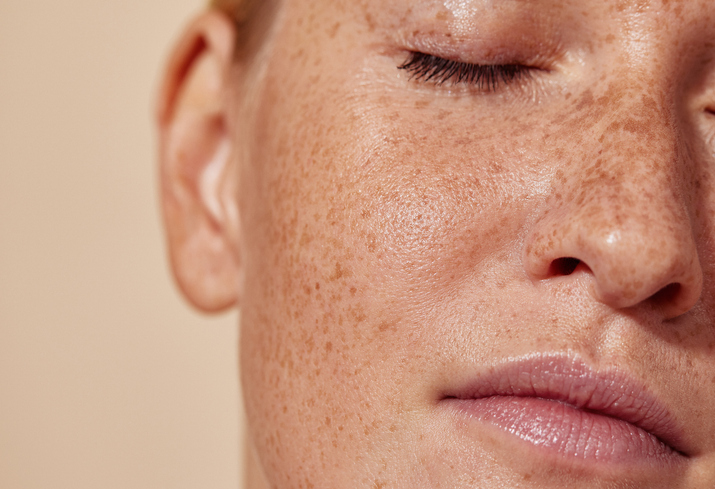
Many people use these terms interchangeably, but they are different.
Freckles
- Usually genetic
- Often appear during childhood
- Darken with sun exposure
- May fade during winter
Sun Spots (Solar Lentigines)
- Typically develop later in life
- Caused by cumulative UV exposure
- Tend to persist year-round
- Often appear on the face, chest and hands
Sun spots can contribute significantly to a tired or aged appearance by creating uneven pigmentation and skin tone. They can also be a cancer precursor depending on the UV exposure, so skin checks are very important. If you work outdoors, even more so.
Pigmentation and Uneven Skin Tone
Healthy skin reflects light evenly. When pigmentation becomes irregular, the skin can appear dull or fatigued.
Common pigmentation concerns include:
- Sun spots
- Melasma
- Post-inflammatory pigmentation
- Freckling
- Age-related pigmentation changes
At ENRICH Clinic and Dermatology Institute of Victoria, consultations may include discussion of treatment options that aim to improve the appearance of pigmentation and overall skin quality. Suitability varies between individuals and requires professional assessment.
Redness Can Create a Tired Appearance
Redness is another common reason skin may appear unhealthy or fatigued. Conditions such as rosacea, visible blood vessels, inflammation or chronic flushing can affect how the skin reflects light. The result is often an uneven or “ruddy” complexion that may appear tired despite adequate sleep.
At our Melbourne clinics, we often suggest the Excel V, a vascular laser that can help with blood vessel conditions to different degrees.
Dark Circles Under the Eyes
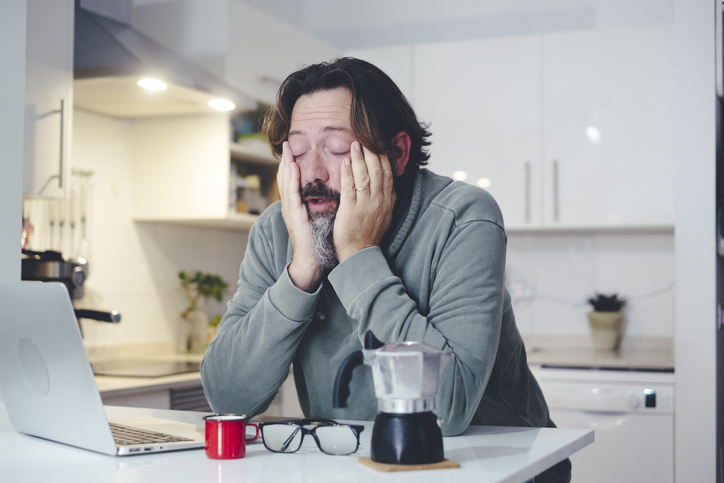
The eye area often reveals skin changes earlier than other areas of the face.
Dark circles are interesting, as there are quite a few reasons or overlapping issues that the appearance of dark circles may be influenced by. These include:
- Genetics
- Thin skin
- Pigmentation
- Volume loss
- Visible blood vessels
- Allergies
- Sleep quality
Contrary to popular belief, dark circles are not always caused by tiredness. This is why some people continue to have under-eye shadows regardless of how much sleep they get.
Skin Dehydration vs Dry Skin
These terms are often confused.
Dry Skin – Dry skin lacks oil.
Dehydrated Skin – Dehydrated skin lacks water.
Dehydrated skin can affect people with oily, normal or dry skin. When skin becomes dehydrated, it may look dull and flat, creepy and overall less luminous. Appropriate skincare and hydration strategies (this means drinking water as well) may help support skin function.
Fitzpatrick Skin Types and Skin Ageing
You may have heard clinicians refer to Fitzpatrick skin types. The Fitzpatrick scale categorises skin according to how it responds to sun exposure.
Different Fitzpatrick skin types may experience:
- Different pigmentation risks
- Different ageing patterns
- Different laser treatment considerations
- Different risks of post-inflammatory pigmentation
Understanding a person’s Fitzpatrick skin type can help guide treatment planning and skincare recommendations.
What About Café au Lait Spots?
Café au lait spots are flat, light-brown patches that can occur anywhere on the body. They are generally unrelated to tired-looking skin but are sometimes confused with other forms of pigmentation.
Unlike sun spots, café au lait spots are usually present from childhood or early life and are not caused by sun exposure. If you notice new or changing pigmented lesions, professional assessment is recommended.
Lifestyle Factors That Can Affect Skin Appearance
Several lifestyle factors may influence how fresh your skin appears:
Stress
Chronic stress may affect skin barrier function and inflammation.
Smoking
Smoking is associated with changes in collagen and skin quality.
Alcohol
Alcohol can contribute to dehydration and facial redness.
Nutrition
Dietary patterns may influence overall skin health.
Hormonal Changes
Changes associated with menopause and ageing can affect skin thickness, hydration and collagen levels.
Treatment Options That May Be Discussed
Following assessment, clinicians may discuss a range of treatment options depending on the underlying cause of skin concerns. We have over 30 years of experience we would like to share it with you and help recommend the right treatment plan. At ENRICH Clinic and DIV, we have in clinic many devices and options at our disposal, including :
- Alma Hybrid
- Secret RF
- Tixel
- Ultraformer
- Fraxel laser treatments
- Skin resurfacing treatments
- LED light therapy
- Medical-grade skincare programs
Consultations may also assess whether an underlying dermatological condition is contributing to skin changes. The most appropriate option depends on individual skin characteristics, goals and medical history.
Looking Beyond Sleep
If your skin appears tired despite getting enough rest, there may be more going on than simple fatigue.
Changes in pigmentation, redness, collagen production, skin texture and hydration can all contribute to how your skin looks and feels.
A consultation with an experienced clinician can help identify potential contributing factors and discuss management options that may be suitable for your individual circumstances.
Book a Consultation
If you are concerned about tired-looking skin, pigmentation, redness, skin texture changes or other skin concerns, the team at ENRICH Clinic and Dermatology Institute of Victoria can assess your skin and discuss appropriate options based on your individual needs and goals.
Frequently Asked Questions
Why does my skin look tired even when I get enough sleep?
Sleep is only one factor affecting skin appearance. Sun damage, pigmentation, redness, collagen loss, dehydration and genetics may all contribute.
Can stress make my skin look tired?
Yes. Stress can affect skin barrier function, inflammation and overall skin quality.
Do dark circles always mean I’m tired?
No. Genetics, pigmentation, anatomy and blood vessels are often involved.
Are sun spots and freckles the same thing?
No. Freckles are usually genetic and fluctuate with sun exposure. Sun spots are generally caused by cumulative UV damage and tend to persist.
Does collagen loss make skin look older?
Collagen loss may contribute to changes in firmness, texture and skin quality that are commonly associated with ageing.
What is the best treatment for tired-looking skin?
There is no single treatment suitable for everyone. The most appropriate approach depends on the underlying causes identified during consultation.
Can rosacea make skin look tired?
Yes. Persistent redness and visible blood vessels can create an uneven complexion that some people describe as tired-looking.
Does menopause affect skin appearance?
Hormonal changes associated with menopause can affect collagen production, hydration and skin thickness.
Can skin type affect how skin ages?
Yes. Fitzpatrick skin type may influence ageing patterns, pigmentation risks and treatment considerations.