
What Are the 5 Different Forms of Rosacea and What Is the Best Treatment for Them?
Rosacea is one of the most common yet misunderstood inflammatory skin conditions seen in dermatology clinics across Australia. While many people think rosacea is simply “facial redness,” it actually presents in several different forms — each with its own symptoms, triggers, and treatment approaches.
At ENRICH Clinic and Dermatology Institute of Victoria (DIV), rosacea is frequently diagnosed and managed using a combination of medical dermatology, laser technologies, skincare support, and lifestyle guidance tailored to the individual.
Rosacea often fluctuates over time, with periods of flare-ups and calmer phases. Left untreated, it may gradually worsen, making early assessment important.
What Is Rosacea?
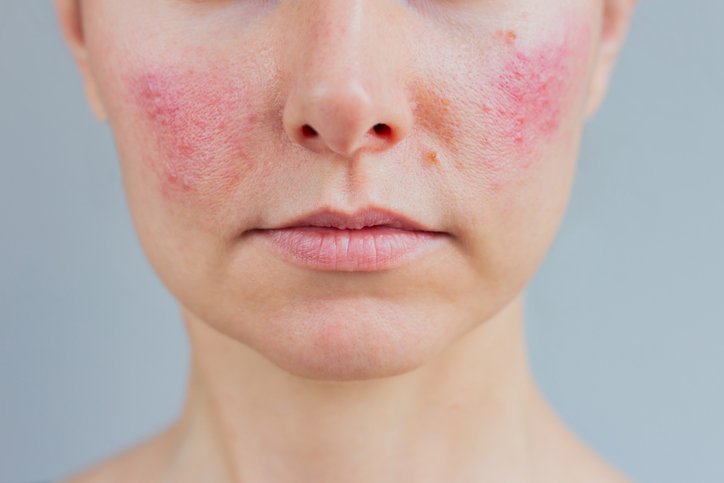
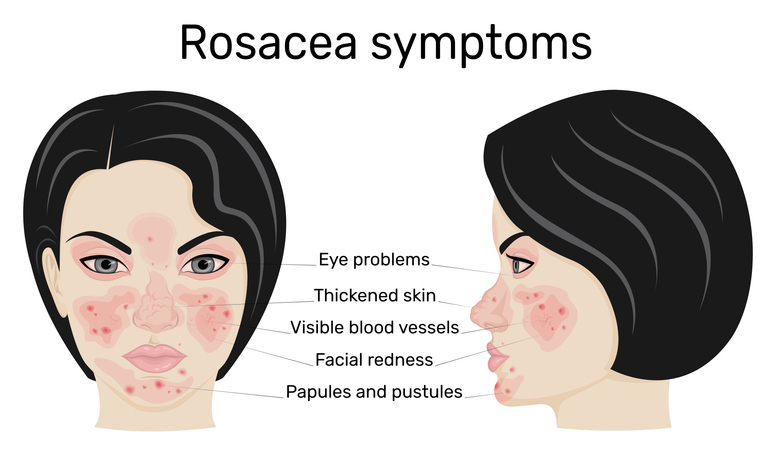
Rosacea is a chronic inflammatory skin condition that mainly affects the central face, including the cheeks, nose, chin, and forehead. Symptoms may include:
- Persistent redness
- Flushing
- Visible blood vessels
- Acne-like bumps
- Skin sensitivity
- Thickened skin
- Eye irritation
Rosacea can affect adults of all skin types, though it is more commonly diagnosed in fair-skinned individuals and often develops after the age of 30.
Common rosacea triggers include:
- Sun exposure
- Heat
- Alcohol
- Spicy foods
- Stress
- Exercise
- Hot drinks
- Certain skincare products
There are five recognised forms of rosacea, and many patients experience a combination of more than one type.
Erythematotelangiectatic Rosacea (ETR)
What is it?
This is the most common form of rosacea and is characterised by persistent redness and flushing. It is also known as “vascular rosacea” which is the more common term for ETR.
Common signs include:
- Facial redness across the cheeks and nose
- Frequent flushing
- Visible broken capillaries or blood vessels
- Sensitive or burning skin
- Dry or rough skin texture
The redness may initially come and go, but can become more permanent over time.
Best treatments for ETR
Treatment generally focuses on reducing inflammation, calming redness, and managing triggers.
Potential treatment options may include medical-grade skincare, trigger management, prescription creams, and vascular laser treatments such as Excel V. These laser and light-based treatments are commonly used to target visible blood vessels and diffuse redness.
Treatments are complemented by gentle skin barrier repair routines and daily broad-spectrum sunscreen
Papulopustular Rosacea
What is it?
Papulopustular rosacea is often referred to as inflammatory rosacea because it is characterised by inflammatory bumps and pustules on the skin. It is often confused with acne, which is why checking in with a dermatologist is advisable.
Common signs include:
- Red swollen bumps
- Pus-filled pimples
- Facial redness
- Sensitive skin
- Dryness and irritation
Unlike acne, rosacea usually does not involve blackheads.
Best treatments for papulopustular rosacea
Treatment depends on severity and may include prescription topical medications, oral anti-inflammatory medications, gentle skincare products, laser or light therapies
Avoiding harsh exfoliants and using gentle skincare products are also important in treating this type of rosacea.
At ENRICH Clinic, combination approaches may sometimes be discussed to help manage both inflammation and background redness. Speaking with your dermatologist is always the best, first port of call for any of your rosacea issues.
Phymatous Rosacea
What is it?
This less common but more advanced form of rosacea involves skin thickening and enlargement, most often affecting the nose.
The condition affecting the nose is called rhinophyma.
Common signs include:
- Thickened skin texture
- Enlarged pores
- Bumpy skin
- Swollen or bulbous nose appearance
Phymatous rosacea occurs more commonly in men and may develop after years of untreated rosacea.
Best treatments for phymatous rosacea
Treatments for rhinophyma can include Laser resurfacing, Medical management of active rosacea, and ongoing inflammation control. Surgical reshaping procedures are also an option, but a warning to the wise: these treatments can cause considerable discomfort for some patients. However, the results are usually beneficial. Laser technologies, such as resurfacing lasers, may help improve skin texture and contour in selected patients, but again, discomfort could be an issue. Because rosacea varies from person to person, speaking with your dermatologist can help identify treatment options suitable for your skin and the outcomes that may realistically be achieved.
Ocular Rosacea
What is it?
Ocular rosacea affects the eyes and eyelids and is often underdiagnosed.
Common symptoms include:
- Dry eyes
- Blurred vision
- Burning eyes
- Gritty sensation
- Red or watery eyes
- Eyelid irritation
- Light sensitivity
Some people experience eye symptoms before skin symptoms develop.
Best treatments for ocular rosacea
Because ocular rosacea can affect eye comfort and long-term eye health, referral to an ophthalmologist is often recommended for appropriate assessment and management. Treatment plans could include Prescription eye treatments, artificial tears Management of facial rosacea triggers.
In selected patients, treating underlying facial rosacea and inflammation with vascular laser treatments may help improve overall rosacea control, although eye-specific symptoms still require medical assessment.
Neurogenic Rosacea
What is it?
Neurogenic rosacea is less common and often involves significant facial discomfort alongside redness.
Common symptoms include:
- Burning sensations
- Stinging
- Severe flushing
- Facial sensitivity
- Pain or heat sensations
This form may overlap with neurological or vascular symptoms.
Best treatments for neurogenic rosacea
Patients with severe flushing or discomfort may benefit from a personalised management plan. Management of this type of rosacea can be more complex and may include combination treatments such as trigger reduction, skin barrier repair and anti-inflammatory treatments.
Specialist assessment is always recommended.
Why Rosacea Treatment Often Requires a Combination Approach
Rosacea rarely responds to a single “quick fix.” Management often involves combining several strategies, including:
- Medical assessment
- Lifestyle trigger identification
- Prescription treatments
- Laser therapies
- Barrier-supportive skincare
- Long-term maintenance
At ENRICH Clinic and DIV, treatment plans are usually individualised depending on the subtype of rosacea, skin sensitivity, severity, lifestyle factors and previous treatment history
FAQs
What is the main cause of rosacea?
The exact cause of rosacea is not fully understood. Genetics, inflammation, blood vessel sensitivity, environmental triggers, and immune system factors may all play a role.
Can rosacea go away permanently?
Rosacea is generally considered a chronic condition. While symptoms can often be managed effectively, ongoing maintenance may be required.
What is the best laser for rosacea?
Different lasers may be recommended depending on the symptoms being treated. Vascular lasers are commonly used for redness and visible blood vessels.
Is rosacea the same as acne?
No. Although some forms of rosacea resemble acne, rosacea is a different inflammatory condition and usually does not involve blackheads.
Can stress make rosacea worse?
Yes. Emotional stress is a common trigger for rosacea flare-ups in many individuals.
What skincare ingredients should rosacea patients avoid?
Some people with rosacea may react to harsh exfoliants, fragrances, alcohol-heavy products, strong acids or abrasive scrubs. A gentle skincare routine is often recommended.
Want to Know More About Rosacea or Ongoing Facial Redness?
Rosacea can present differently from person to person, which is why a professional assessment is important in understanding your skin and discussing appropriate management options.
At ENRICH Clinic and DIV, our team includes dermatologists, cosmetic doctors, and skin professionals experienced in assessing redness, flushing, visible blood vessels, and inflammatory skin concerns.
If you are experiencing persistent facial redness, sensitivity, acne-like breakouts, or eye irritation, book a consultation to discuss your skin concerns and the treatment options that may be suitable for you.
Book an appointment with the ENRICH Clinic and DIV team today to start your personalised rosacea management journey.