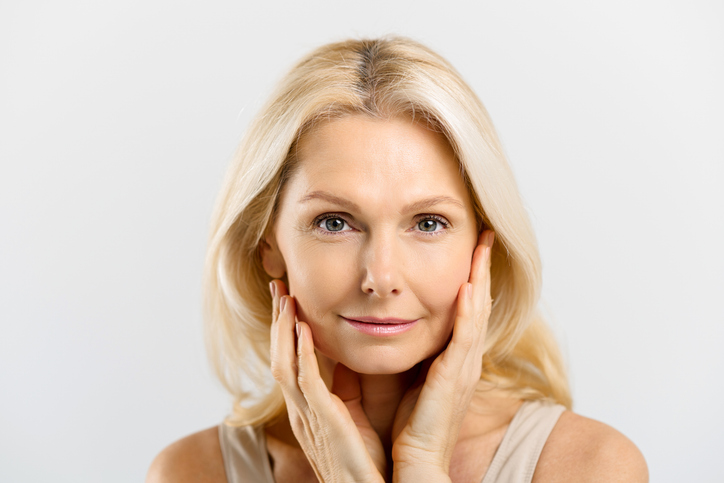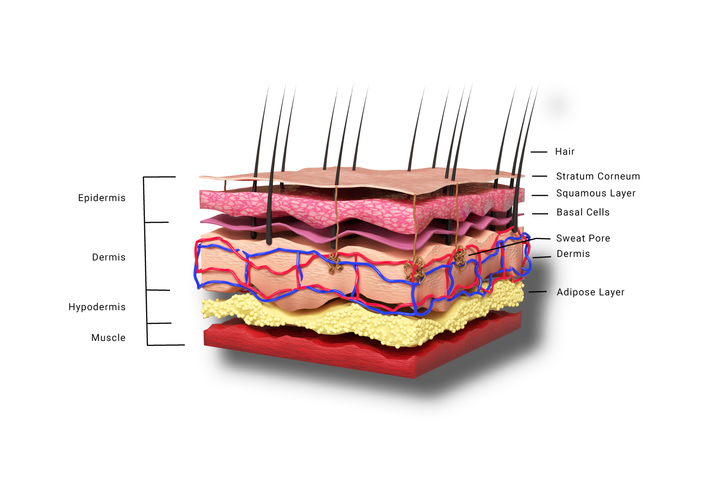
 A controversial research project has examined whether Australian women are ageing faster than women in other countries.
There are several studies looking at the rates of physical signs of ageing by country. The first, an Australian study from the University of Queensland, set up a self-reporting survey where women from Canada, the United States, and Australia were asked to compare their own signs of ageing with diagrams and photographs to determine severity compared with age.
The results? The report indicates that it’s possible that Australian women are showing signs of ageing on average 20 years earlier than their North American counterparts. The survey also found that at age 70, everyone reported more or less the same degree of facial ageing. The women aged 30-59 years reported the same number and severity of signs of ageing as US women aged from 40-69 years.
While there were several limitations of this study, including that the Australian cohort was based in Queensland, the land of sunshine, and may not adequately reflect the number of sunshine hours most people are exposed to. This might be different to the advancement of signs of ageing in other parts of Australia that experience more pronounced seasons, such as Melbourne.
So do Australians look older than Americans? Well, maybe, or maybe women from Queensland have more photodamage than many other populations. Where we live and how we live really matters when it comes to photoageing, due to the lack of ozone over Australia, and our exposure to UV rays.
Reversing sun damage
It is possible to somewhat reverse sun damage with photorejuvenation treatments – that is, lasers and light therapies that help regenerate skin cells, grow healthy new cells, and augment the tissue. We do that most often by stimulating collagen, to replace the damaged collagen that UV rays leave you with, but removing the skin cells also works very well.
Dermal filler treatments as collagen promoters
We use dermal filler treatments that act on cells to help produce more collagen and elastin. This collagen strengthens the structures that hold up our skin, while also providing volume – that is, upregulating cell behaviour in our favour. Dermal filler treatments can help restore your complexion, probably in conjunction with photorejuvenation therapies as a complete plan.
Laser treatments
Laser treatments can be incredibly useful when treating sun-damaged skin. You can remove the top layer of skin to varying depths, revealing healthy new cells underneath. The treatment stimulates the cells to product greater amounts of collagen, which then provides you with literally a fresh face. If you check under a UV light, you can see the difference the treatments make.
You can opt for microdermabrasion treatments, however your cosmetic dermatologist will have the best advice for you based on your individual circumstances. Lasers also have a skin-tightening function, but we use them primarily for skin rejuvenation.
Radiofrequency treatments
Radiofrequency is a method of stimulating the fibroblasts and other skin cells so they ramp up their collagen producing activities, amongst other features. Radiofrequency tightens and rejuvenates skin, and we now have tools that can get underneath the skin and deeper into tissue to cause cellular rejuvenation.
Choosing the best treatments
You will need to have a personal consultation to see what state your skin is in, and what treatments you would benefit from. To undo sun damage, we need to determine how significant it is, and what your aesthetic goals are.
We can help undo sun damage.
Contact our Melbourne clinic for an appointment