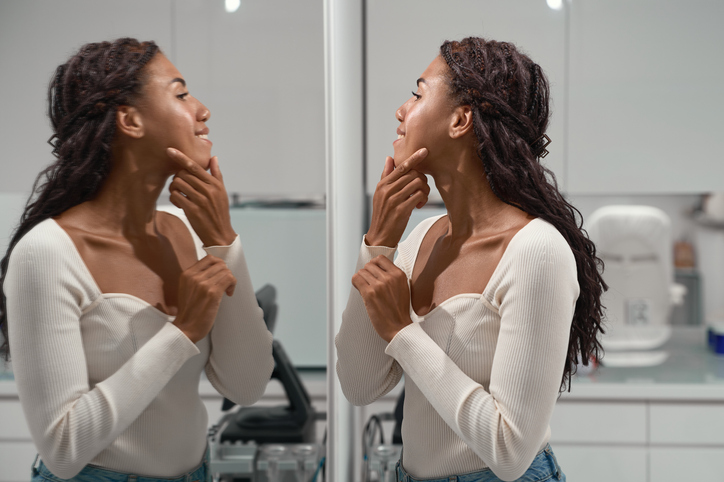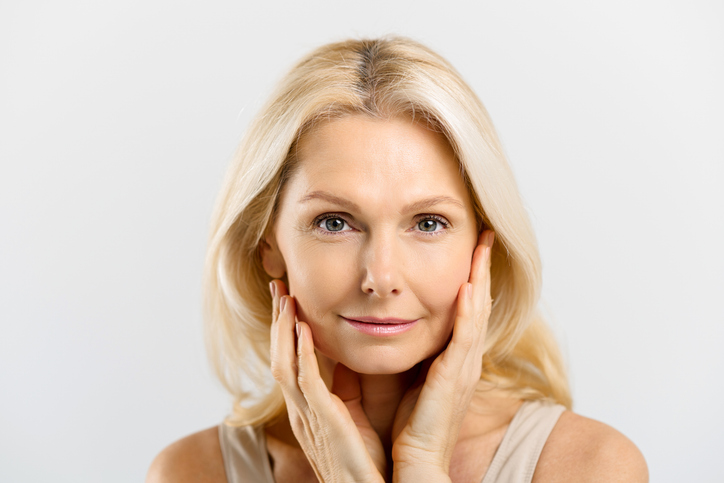
Many people invest significant time and effort in caring for their facial skin, only to notice that their neck seems to age more quickly. Fine lines, loose skin, visible bands, creases and changes in skin texture often become apparent on the neck before similar changes are seen elsewhere.
While facial ageing receives much of the attention, the neck is one of the first areas to reveal the effects of time, environmental exposure and lifestyle factors. Understanding why neck skin ages differently can help guide prevention strategies and inform discussions about available treatment options.
The Neck Has a Different Skin Structure
The skin on the neck is naturally thinner than the skin found on many areas of the face. It contains fewer oil glands and has less supportive tissue beneath the surface.
This means the neck may be more vulnerable to:
- Fine lines and wrinkles
- Skin laxity
- Crepey texture
- Environmental damage
- Visible ageing changes
The neck is also in constant motion. Every day we turn, bend, stretch and rotate our necks hundreds of times, creating repeated folding of the skin that can eventually contribute to visible lines and creases.
Collagen Decline Affects the Neck Earlier
Collagen is one of the body’s primary structural proteins. It helps provide support, firmness and resilience to the skin. From early adulthood, collagen production gradually decreases. Research suggests that collagen production can decline by approximately 1% per year after the age of 20.
As collagen and elastin levels reduce over time, skin becomes less able to resist gravity and repetitive movement. Because neck skin is thinner and naturally less supported than facial skin, these changes may become noticeable earlier.
Signs commonly associated with collagen decline include:
- Loose neck skin
- Fine horizontal neck lines
- Reduced skin firmness
- Crepey appearance
- Changes in skin texture
While collagen loss is a natural part of ageing, lifestyle factors may influence how quickly these changes become visible.
The Rise of “Tech Neck”
One of the most discussed modern contributors to neck ageing is “tech neck.”
Tech neck refers to repetitive downward head positioning associated with smartphones, tablets, laptops, and desktop computers, and gaming devices- pretty much the devices we use in our everyday lives.
Many Australians spend several hours each day looking down at screens. This repeated movement may contribute to the formation of horizontal neck lines and skin creasing. The issue is not simply posture. Repeated folding of the skin in the same location may contribute to visible lines over time, particularly when combined with collagen decline and sun exposure.
While technology itself does not directly age the skin, the behaviours associated with prolonged device use may influence how neck ageing appears.
Weight Fluctuations Can Affect Neck Skin
The neck can also be sensitive to significant weight changes. When body weight increases, skin stretches to accommodate changes in volume. Following weight loss, the skin may not always fully return to its previous level of firmness. Given the rise of certain weight loss drugs, this has become more commonplace.
Loose skin beneath the chin, reduced skin elasticity, changes in neck contours, and increased visibility of existing lines can often result from weight loss. The degree of change varies between individuals and may be influenced by factors such as age, genetics, collagen production and the amount of weight lost.
Sun Exposure Is Often Overlooked
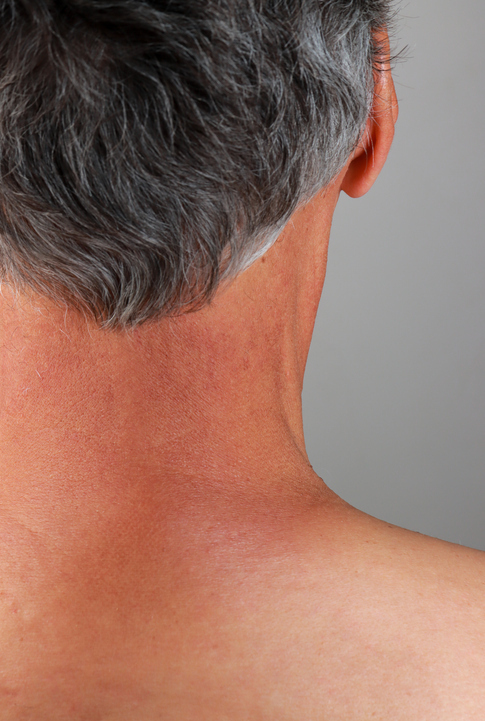
Man with slight sunburn on the back of his neckMany Australians are diligent about applying sunscreen to their faces but unintentionally neglect their necks (front and back) and décolletages. Over the years and decades, cumulative ultraviolet (UV) exposure can contribute to:
- Pigmentation changes
- Reduced collagen production
- Skin roughness
- Fine lines
- Wrinkling
- Visible signs of photoageing
- Skin Cancer
The neck is frequently exposed to sunlight throughout daily activities, including driving, walking and outdoor recreation. Protecting the neck with broad-spectrum sunscreen, protective clothing and hats may help reduce the impact of UV-related skin ageing, not to mention the risk of skin cancer.
What Are Platysmal Bands?
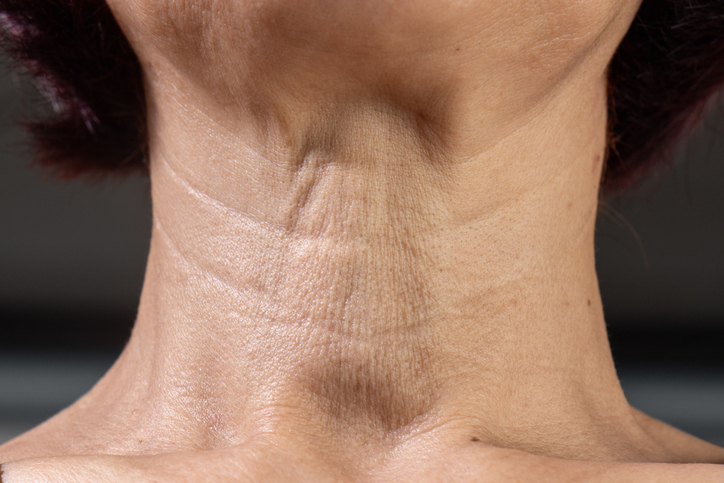
Platysmal bands are one of the most common concerns associated with neck ageing. The platysma is a thin muscle that extends from the jawline down into the neck. Over time, the edges of this muscle can become more visible.
This may create:
- Vertical neck bands
- Neck cord appearance
- Changes to jawline definition
- A more aged neck profile
Platysmal bands can occur as part of the natural ageing process and may become more prominent with repeated muscle movement, loss of skin elasticity and changes in underlying tissue support.
Not everyone develops prominent platysmal bands, but they are a common reason people seek advice regarding neck rejuvenation options.
Prevention Strategies for Neck Ageing
While no prevention strategy can completely stop the ageing process, some steps may help support skin health.
Extend Your Skincare to the Neck
Many people stop their skincare routine at the jawline. Applying appropriate skincare products to both the face and neck may help support overall skin quality. It also feels nice to give yourself a little neck massage in the morning and at night!
Daily Sun Protection
Broad-spectrum sunscreen remains one of the most important measures for reducing cumulative UV damage. Remember to include front, back and sides of neck, décolletage and ears (especially if you have short hair)
Improve Device Positioning
Holding devices closer to eye level may reduce repetitive downward neck flexion associated with tech neck.
Maintain Stable Weight
Large weight fluctuations may contribute to skin laxity in some individuals. Maintaining a stable weight may help support skin integrity over time.
Support Overall Skin Health
Factors that may influence skin quality include smoking, nutrition, sleep, physical activity, and management of chronic sun exposure. Making positive changes to these factors can support your overall skin health.
Treatment Options for Neck Skin Concerns
For individuals concerned about neck ageing, a consultation with a qualified health practitioner can help determine whether any treatment options may be appropriate. At ENRICH Clinic and DIV, treatment plans are tailored to the individual following a comprehensive assessment.
Ultraformer®
Ultraformer uses high-intensity focused ultrasound (HIFU) technology.
The technology is designed to deliver energy at different depths beneath the skin. It may be discussed as part of a treatment plan for concerns relating to skin laxity and ageing. Suitability varies between individuals, and outcomes differ from person to person.
Secret RF®
Secret RF combines microneedling with radiofrequency energy.
This technology may be considered when discussing concerns related to skin texture, skin quality and signs of ageing affecting the neck and lower face. As with all procedures, a consultation is required to determine suitability.
Fractional Laser Treatments
Fractional laser technologies create controlled treatment zones within the skin.
The Fraxel laser treatments may be discussed for concerns involving sun-damaged skin, skin texture, fine lines, and Age-related skin changes. Different laser technologies may be suitable for different skin types and concerns.
Skin Tightening Treatments
Skin tightening technologies aim to address skin laxity through a variety of energy-based approaches.
The most appropriate treatment, if any, depends on:
- Individual anatomy
- Skin quality
- Degree of laxity
- Medical history
- Treatment goals
A personalised assessment helps determine which options may be appropriate.
The Importance of Early Intervention
Addressing skin health early through prevention strategies and appropriate professional advice may help support long-term skin quality.
The neck is one of the most visible indicators of skin ageing and often shows changes earlier than the face, including those associated with skin cancer. Factors such as thinner skin, collagen decline, sun exposure, tech neck habits and platysmal band formation can all contribute to this process. While aging is a natural part of life, understanding the factors involved may help individuals make informed decisions about prevention, skincare and available treatment options.
If you have concerns about neck skin, skin laxity, sunspots, or changes in skin texture, speak with one of our dermatologists to discuss your individual circumstances and whether any management options may be appropriate for you. You can book at ENRICH Clinic here.