For much of the last decade, social media has shaped beauty ideals at a pace never seen before. From heavily filtered selfies to highly polished “glass skin” trends, patients have been exposed to an endless stream of skincare advice, beauty routines and aesthetic treatments.
Yet in 2026, the conversation is changing.
A growing number of patients are moving away from dramatic transformations and instead seeking what many practitioners call the “undetectable aesthetic” — an approach focused on healthy skin, subtle rejuvenation, and results that look natural rather than obvious. At the same time, dermatologists and skin health professionals are seeing another trend emerge: many people are arriving at clinics with irritated, sensitised skin caused by overcomplicated skincare routines and excessive use of active ingredients.
The result is a return to fundamentals. Rather than chasing so-called perfection, more people are focusing on skin health, barrier repair, and maintaining a refreshed appearance that doesn’t look artificial.
We at ENRICH Clinic and DIV have been advocates for the so-called “ natural look” at our practice for years, so this “ shift” in trend-based skin treatments is welcome news. We believe in skin health rather than skin trends.
What Is the Undetectable Aesthetic?
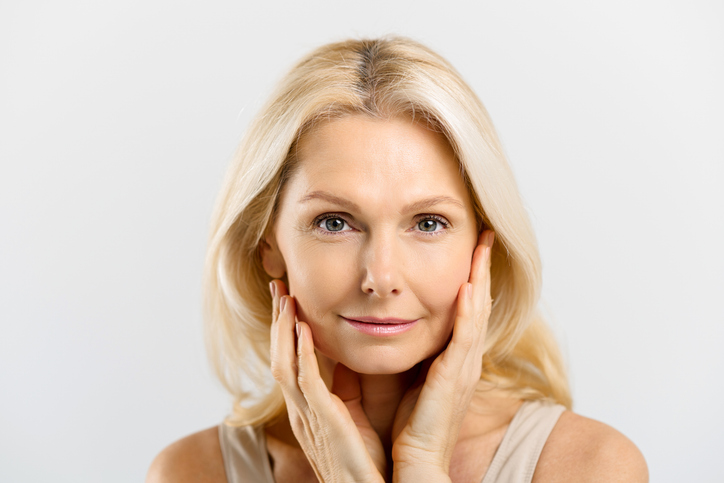
The undetectable aesthetic is less about changing how someone looks and more about supporting skin quality and healthy ageing. The goal is not for people to ask, “What treatment did you have?” Instead, the goal is for people to notice that someone looks rested, healthy or refreshed without being able to identify exactly why.
This approach aligns closely with modern dermatology and evidence-based aesthetic medicine, where treatment plans are increasingly centred on:
- Skin quality
- Collagen support
- Skin texture
- Pigmentation management
- Skin firmness
- Healthy ageing strategies
- Preventative skin care
Rather than pursuing dramatic changes, many patients are seeking gradual improvements that complement their natural features.
The Backlash Against Too Many Actives
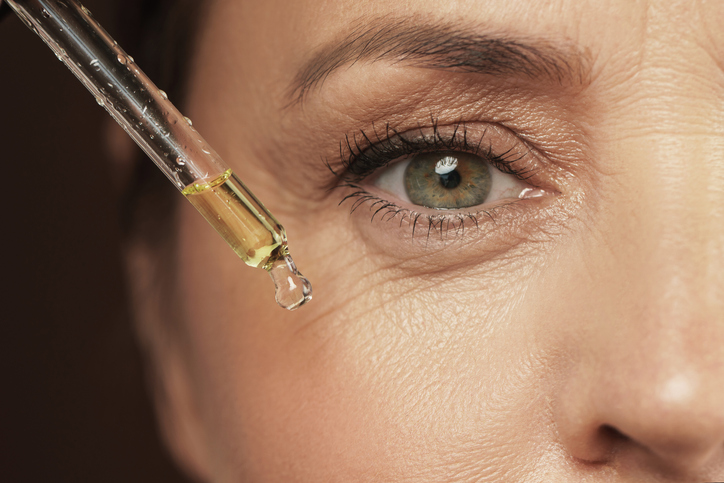
One of the biggest contributors to this shift is growing awareness of what can happen when skincare routines become too aggressive. Social media has popularised a wide range of active ingredients, including retinol, retinoids,s AHAs, BHAs, Vitamin C, exfoliating acids, peptides, and multiple-layered serums.
While these ingredients can play a role in skincare, more is not always better, and seeing a qualified skin practitioner to determine what is best for your skin type, ethnicity, and skin health is key to finding the right skincare product.
In some cases, patients unknowingly combine several powerful ingredients, resulting in chronic irritation rather than healthier skin. Many dermatology clinics now report seeing patients experiencing a range of issues that aren’t skin anomalies or diseases; rather, they stem from overdoing actives or combining the wrong ones for their particular skin, which can compromise the skin barrier and cause irritation and sensitivity.
Retinol Overload: When Good Intentions Go Too Far
Retinol remains one of the most widely discussed ingredients in skincare. It has been extensively studied for its role in supporting skin renewal and addressing signs of photoageing. However, it is also one of the ingredients most commonly associated with irritation when used incorrectly.
Many people believe that stronger concentrations and more frequent use of active ingredients will produce better results. Unfortunately, this can sometimes lead to excessive dryness, ongoing redness, uncomfortable peeling, sensitivity and irritation. Rather than pushing the skin harder, a consistent and balanced approach is often more effective. When it comes to skincare, more is not always better.
For some individuals, a carefully structured skincare routine with gradual introduction of active ingredients may be more appropriate than using multiple high-strength products simultaneously.
The Problem With Over-Exfoliation
Another contributor to skin sensitivity is over-exfoliation. Exfoliation can help remove dead skin cells and improve skin texture. However, excessive exfoliation may disrupt the skin’s protective barrier.
This is particularly common among people who combine:
- Physical scrubs
- Chemical exfoliants
- Retinol products
- Home devices
- Multiple active serums
The result can be skin that appears red, shiny or inflamed. Ironically, many people mistake these signs for evidence that products are “working.” In reality, they may indicate that the skin barrier is struggling to function effectively.
Has the Glass Skin Trend Gone Too Far?
The popularity of “glass skin” has encouraged patients to pursue extremely smooth, reflective complexions. While healthy, hydrated skin is a worthwhile goal, social media often presents unrealistic expectations.
We always need to keep in mind that many social media images have the advantage of professional lighting, filters, and over-editing. AI is a whole different swag of issues. This can create pressure to achieve flawless skin that may not be realistic or even desirable. In Australia, skin professionals such as dermatologists follow guidelines. Before-and-after doctors, nurses, and dermal clinicians must comply with the APHRA advertising guidelines; the before-and-after photos you see on their sites and socials are much more reliable.
The pursuit of glass skin has sometimes led patients toward increasingly complex routines involving multiple products layered morning and night. The irony is that genuinely healthy skin often looks more natural and less reflective than heavily treated, irritated skin.
Understanding Skin Barrier Function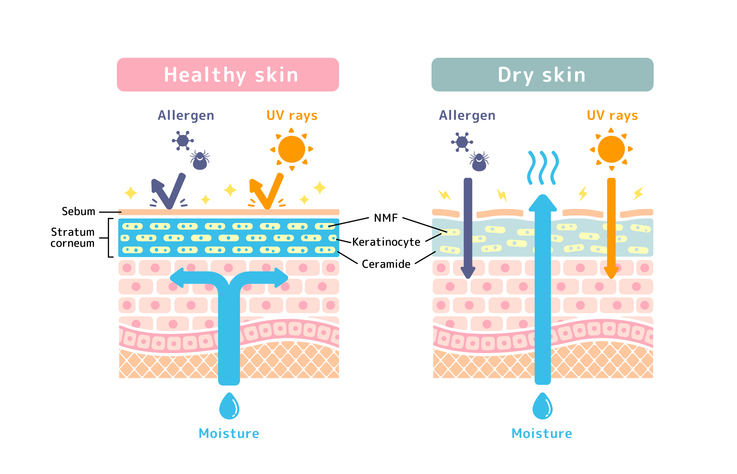
One of the most important concepts gaining attention in dermatology is skin barrier health. The skin barrier acts as the body’s first line of defence against environmental stressors. Remember, the skin is the largest organ in the body.
When functioning well, it helps:
- Retain moisture
- Protect against irritants
- Reduce sensitivity
- Support overall skin health
A damaged skin barrier can make even simple skincare products uncomfortable to use. This is why many modern treatment plans now focus on supporting barrier recovery before introducing more active interventions.
Rebuilding the Barrier: The New Skin Goal
Instead of adding more products, many practitioners are encouraging patients to simplify. Barrier-focused skincare often prioritises:
- Gentle cleansing
- Appropriate moisturisation
- Sun protection
- Avoidance of unnecessary irritation
- Gradual introduction of active ingredients
For many people, reducing the number of products used can be just as beneficial as adding new ones. This approach supports healthier skin function and may improve tolerance to future treatments.
Natural-Looking Rejuvenation Is Driving Treatment Choices
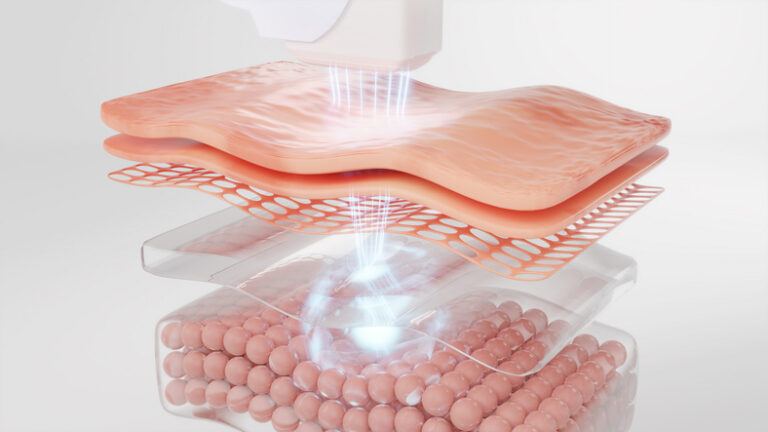
The undetectable aesthetic trend extends beyond skincare. Across aesthetic medicine, there is growing interest in treatments that support skin quality rather than creating dramatic visible change. Many patients are now seeking options that focus on:
- Collagen support
- Skin tightening
- Texture improvement
- Pigment management
- Overall skin quality
This reflects a broader cultural shift away from exaggerated outcomes and toward maintaining natural facial characteristics.
Importantly, treatment recommendations should always be based on an individual clinical assessment, and outcomes vary between patients.
A Move Away From “Overdone” Results
The same trend is influencing attitudes towards facial rejuvenation procedures. Patients are increasingly cautious about treatments that may alter facial proportions or create an unnatural appearance. Many people are now expressing interest in subtle approaches that maintain facial balance and movement while supporting healthy ageing.
This has led to increased discussion about the importance of individualised treatment planning and the need to avoid excessive intervention. Rather than seeking dramatic change, patients are often looking for improvements that help them look like a refreshed version of themselves.
Why This Trend Is Likely Here to Stay
The undetectable aesthetic reflects a broader movement occurring across health, wellness and beauty. Patients have become more informed and are increasingly interested in evidence-based approaches rather than social media hype.
The best news is they are asking questions such as :
- Are my products working together?
- What supports long-term skin health?
- How can I maintain natural-looking results?
- What works best for my skin type?
These questions represent a more mature and sustainable approach to skin care.
The Future of Aesthetics May Look More Natural
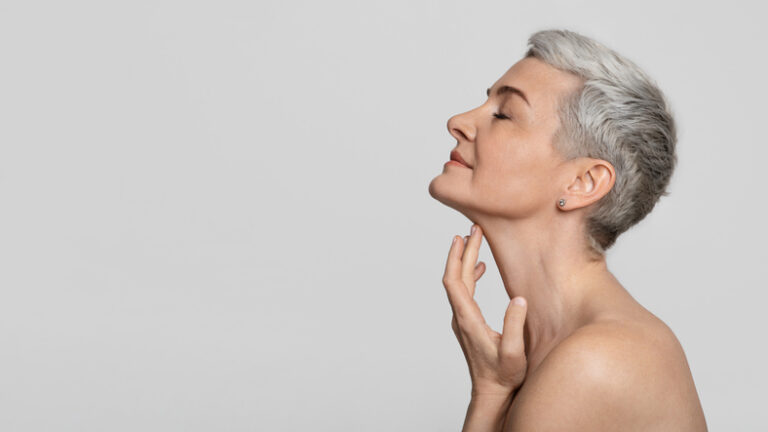
As aesthetic medicine continues to evolve, healthy skin appears to be becoming the new status symbol. The trend towards undetectable aesthetics is not about rejecting treatments or skincare altogether. It is about making thoughtful choices that support the skin rather than overwhelming it.
For many people, the most effective approach may be a combination of evidence-based skincare and treatments, appropriate sun protection, healthy lifestyle habits and professionally guided treatment plans tailored to their individual needs.
Ultimately, the best aesthetic result may be the one that nobody notices — except that you look healthy, confident and comfortable in your own skin.
Book an appointment with the ENRICH Clinic and DIV team today and talk to us about which treatments and skin care can help improve your skin health.