
It sounds completely backwards. You spend years protecting your skin from injury, avoiding sunburn and trying to prevent scars, only to hear that some of the most effective skin treatments work by deliberately creating tiny, controlled injuries.
Patients often ask:
“Why would I want to damage perfectly healthy skin?”
It’s an excellent question—and the answer lies in how your skin naturally heals itself.
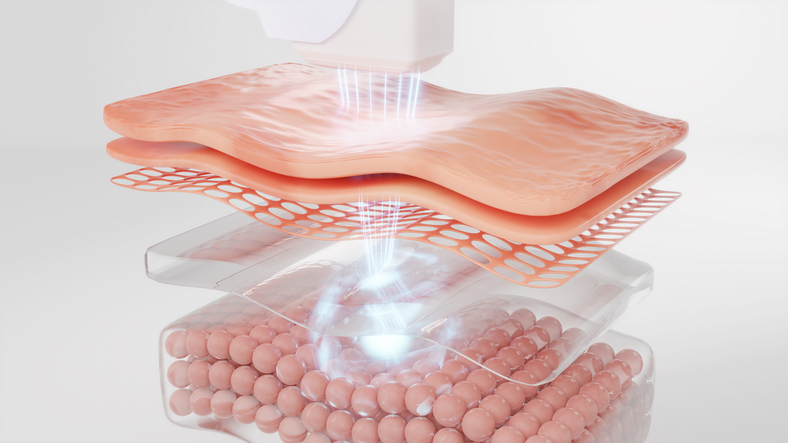
Many of today’s evidence-based skin rejuvenation treatments, including fractional laser, radiofrequency (RF) microneedling, ultrasound skin tightening and skin needling, work by triggering your body’s own repair mechanisms. Rather than damaging your skin in a harmful way, these treatments create precisely controlled microscopic treatment zones that stimulate the skin’s natural repair processes and collagen remodelling.
Understanding this process can help explain why these treatments remain among the most commonly used approaches to improving skin quality.
Your Skin Is Designed to Repair Itself
Your skin is an incredible organ. Every day it repairs tiny injuries caused by:
- UV exposure
- Environmental pollution
- Minor cuts and scratches
- Dry weather
- Every day wear and tear
Whenever your skin detects an injury—even one so small you can’t see it—it immediately begins a sophisticated healing process. The body releases growth factors, activates specialised repair cells and starts producing fresh collagen and elastin to rebuild the affected area. This natural repair response is exactly what many dermatology treatments harness.
The Difference Between Damage and Controlled Injury
Not all skin damage is the same. Sunburn, smoking, excessive UV exposure and chronic inflammation create uncontrolled damage. These injuries occur randomly, overwhelm the skin’s repair systems and gradually break down collagen faster than the body can replace it.
This leads to:
- wrinkles
- pigmentation
- enlarged pores
- skin laxity
- uneven texture
Medical skin treatments are different. They create controlled, measured microscopic injuries at carefully selected depths while leaving surrounding healthy tissue intact. Because the treatment is controlled, the skin can repair itself efficiently and produce healthier tissue during the healing process.
Think of it like pruning a rose bush. Cutting branches randomly damages the plant. Pruning carefully encourages stronger, healthier growth.
Your Skin Thinks It Needs Repair
The fascinating part is that your body doesn’t distinguish between a tiny laser column and a small scratch. It simply detects that repair is required. Within minutes, a complex healing cascade begins. Inflammatory cells arrive to clean up damaged tissue. Growth factors are released. Fibroblast cells become activated. New collagen and elastin fibres begin forming. Over the following weeks and months, these proteins gradually reorganise beneath the skin surface.
This healing response may contribute to improvements in skin firmness, texture and overall skin quality over time.
What Happens During Collagen Remodelling?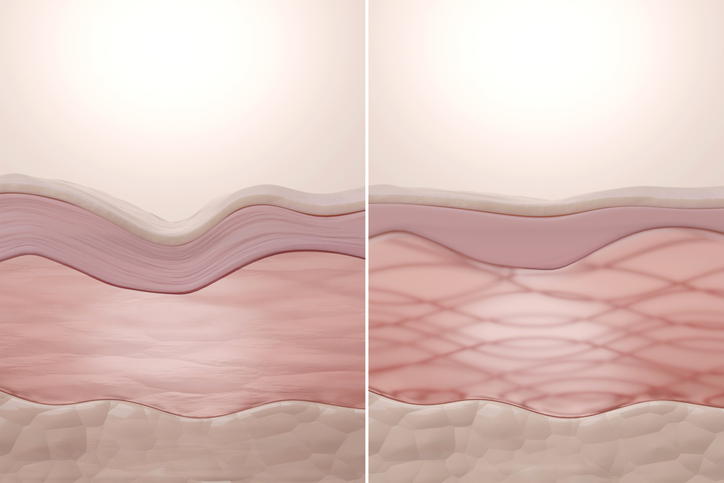
Collagen is the main structural protein that gives skin strength and firmness. From our mid-20s onwards, collagen production naturally slows by approximately 1% each year. At the same time, existing collagen becomes fragmented through ageing and sun exposure.
Many rejuvenation treatments aim to reverse this process. The body removes older, damaged collagen and replaces it with new collagen arranged in a stronger, more organised network. This process is called collagen remodelling, and it continues for several months after treatment. This is why improvements are often gradual rather than immediate. Patients frequently notice ongoing improvements long after redness has settled.
Why Fractional Lasers Leave Healthy Skin Untouched
One reason fractional laser technology has become so popular is that it doesn’t treat the entire skin surface. Instead, it creates thousands of microscopic treatment zones while leaving surrounding skin untouched. The untreated skin acts as a reservoir of healthy cells, allowing faster healing compared with older fully ablative laser treatments.
This approach is commonly used to treat concerns, including
- fine lines
- acne scars
- pigmentation
- sun damage
- skin texture
How RF Microneedling Works Differently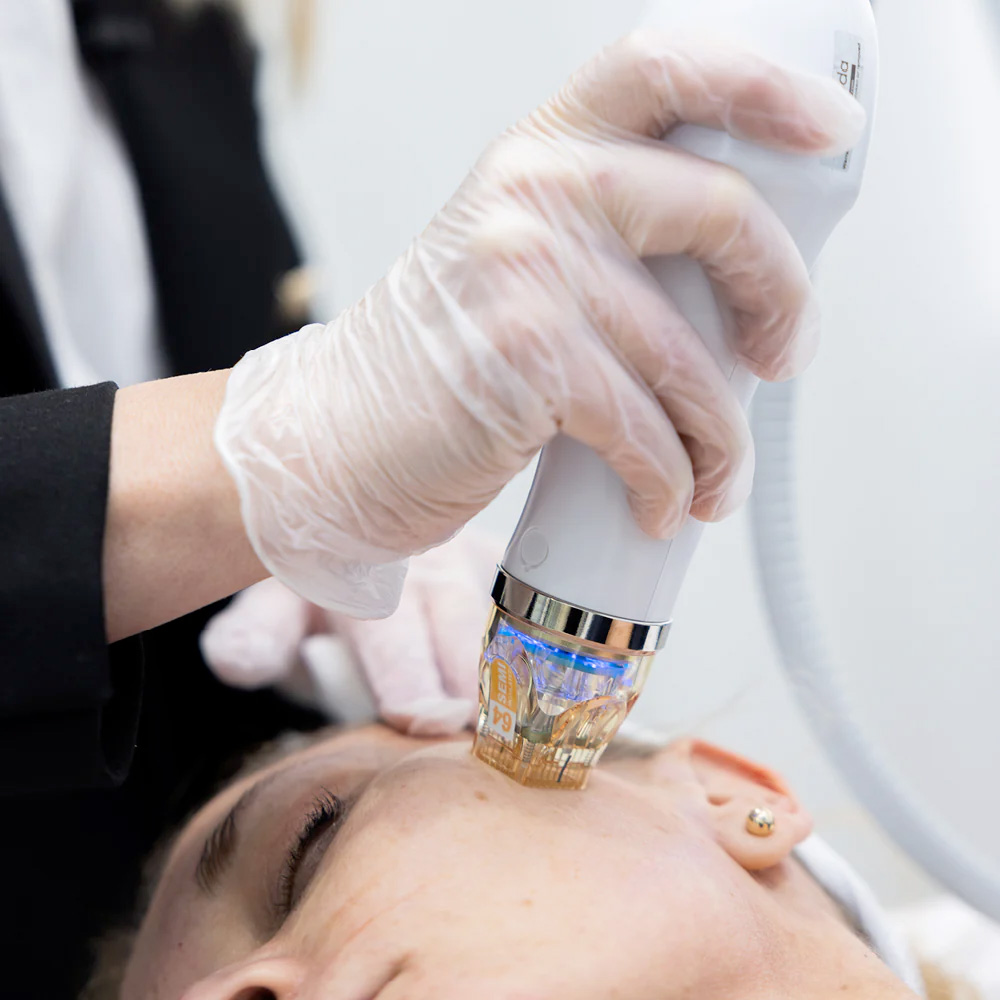
Radiofrequency microneedling combines two proven technologies.Tiny insulated needles create microscopic channels into the skin. At the same time, radiofrequency energy gently heats the deeper dermis. This controlled heat stimulates collagen production without significantly affecting the outer skin surface.
Because the energy is delivered below the epidermis, RF microneedling can often be appropriate following assessment by an appropriately qualified clinician for concerns such as:
- acne scarring
- enlarged pores
- skin laxity
- fine lines
- uneven texture
Why Heat Can Actually Help Your Skin
People often assume heat damages collagen. At very high temperatures, it certainly can. However, carefully controlled therapeutic heat behaves differently. Treatments such as RF microneedling and ultrasound skin tightening warm collagen fibres to temperatures that stimulate repair rather than destroy healthy tissue.
Existing collagen contracts slightly, while fibroblasts receive signals to produce fresh collagen over the coming months.This gradual remodelling is intended to stimulate collagen remodelling, which may contribute to improvements in skin firmness and elasticity.
It’s Not About Burning the Skin
One of the biggest misconceptions is that laser treatments “burn” the skin. Modern medical lasers are far more sophisticated. Different wavelengths target different structures within the skin.
Some target water. Others target pigment. Others target blood vessels.
The energy is delivered with incredible precision and carefully selected settings based on the patient’s skin type and clinical goals. The aim isn’t to burn skin—it is to trigger a controlled healing response while minimising unnecessary injury.
Why can’t I just go in the sun, get a tan or sunburn, and let my skin peel?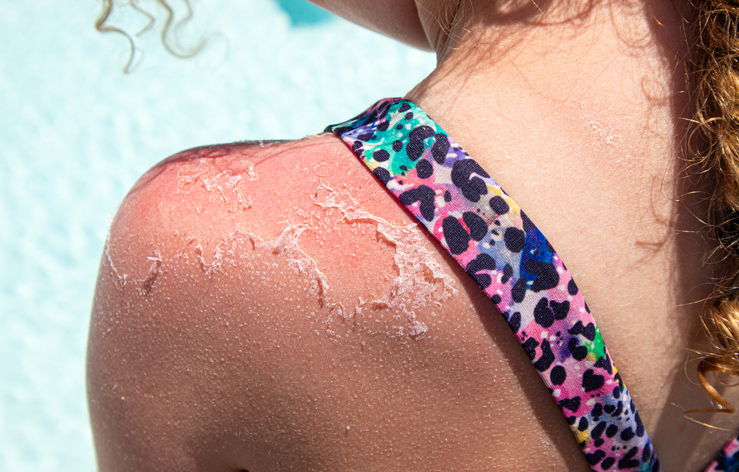
Although both a laser treatment and a sunburn can result in peeling skin, they are very different biological processes.
A sunburn is an uncontrolled injury caused by ultraviolet (UV) radiation. UV exposure damages the DNA within skin cells, triggers inflammation and accelerates the breakdown of collagen and elastin. Over time, repeated sun exposure contributes to premature skin ageing, uneven pigmentation and increases the risk of developing skin cancers.
In contrast, treatments such as fractional laser and RF microneedling create controlled, targeted microscopic treatment zones using carefully calibrated energy. The aim is to stimulate the skin’s natural repair processes while minimising damage to the surrounding healthy tissue. These treatments do not expose the skin to harmful UV radiation, and the treatment settings are selected according to your skin type and clinical needs.
While your skin may peel after either a sunburn or a laser procedure, the reason for the peeling is very different. Peeling after a sunburn is your body shedding UV-damaged skin cells, whereas peeling after a medical skin treatment is part of the controlled healing process that follows a clinician-directed procedure.
For long-term skin health, deliberately tanning or burning your skin is not recommended. Daily sun protection remains one of the most effective ways to help reduce premature skin ageing and lower the risk of skin cancer, even if you are undergoing skin rejuvenation treatments.
Think of it this way: a sunburn injures the skin unpredictably, while medical skin rejuvenation treatments are designed to stimulate the skin’s natural repair processes in a controlled and carefully planned way.
Why Results Take Time
One question dermatologists hear frequently is:
“If collagen is being stimulated, why don’t I see results straight away?”
The answer is simple: collagen is living tissue, and your body needs time to produce it. Treatments that stimulate collagen work by activating your skin’s natural repair processes, with collagen remodelling continuing for several months after treatment. As this process occurs, some people notice gradual improvements in skin firmness, texture, the appearance of pores and fine lines, and overall skin quality. Because these changes develop over time, results are typically progressive rather than immediate.
Patience is often rewarded with natural-looking improvements rather than sudden, dramatic changes.
Is More Damage Better?
Not necessarily.
One common misconception is that stronger treatments always produce better results. In reality, overtreating the skin may increase the risk of prolonged redness, pigmentation changes or scarring, without necessarily improving outcomes.
The goal is to create enough controlled injury to stimulate healing—no more and no less. This is why treatment settings should always be individualised based on factors such as your skin type, concerns and medical history.
The Importance of Recovery
The treatment itself is only one part of the process. Your skin does most of its work afterwards. During recovery, it is important to:
- protect the skin from UV exposure
- keep the skin hydrated
- avoid picking or scratching
- follow your clinician’s aftercare advice
- use gentle skincare products
Supporting the skin during healing helps optimise results while reducing the chance of complications.
Not Every Treatment Works This Way
Interestingly, not every dermatology or cosmetic treatment works by creating controlled microscopic injury. Some treatments are designed to improve skin hydration, replace lost volume, reduce pigmentation, relax overactive muscles or help calm inflammation.
In contrast, treatments such as fractional laser, RF microneedling, ultrasound skin tightening and skin needling are intended to stimulate the skin’s natural repair processes and collagen remodelling. Depending on your skin concerns, medical history and treatment goals, your clinician may recommend combining different treatment approaches as part of an individualised management plan.
The Bigger Picture: Building Better Skin Over Time
Perhaps the best way to think about these treatments is not as damaging the skin, but as training it.
Just as exercise places controlled stress on muscles so they become stronger, evidence-based skin rejuvenation treatments place carefully controlled stress on the skin’s repair systems.
The goal of these treatments is to stimulate the skin’s natural repair response, which may contribute to improvements in collagen structure and skin quality over time.It is the gradual production of stronger collagen, improved skin architecture and better overall skin quality over time.
The term “collagen banking” is often used to describe treatments intended to support collagen production over time, although it is not a formal medical diagnosis or treatment category. Its more about investing in your skin’s long-term structural health rather than only treating visible signs of ageing after they appear.
When performed following an appropriate medical assessment, treatments that create controlled microscopic injury are designed to stimulate the skin’s natural repair processes. Suitability varies between individuals, and your treating clinician can discuss whether these treatments are appropriate for your skin concerns.
Not every treatment is suitable for every person. Factors such as skin type, medical history, current medications and the specific skin concern being treated all influence whether a particular procedure is appropriate. A consultation with an appropriately qualified clinician is an important part of determining the most suitable treatment plan.
Frequently Asked Questions
Does laser treatment permanently damage your skin?
No. Medical laser treatments are designed to create carefully controlled microscopic injuries that stimulate the skin’s natural healing processes. When performed appropriately, the aim is to encourage skin renewal rather than cause permanent damage.
Why do lasers stimulate collagen?
Laser energy creates tiny areas of controlled thermal injury within the skin. This activates fibroblasts—the cells responsible for producing collagen and elastin—as part of the body’s normal healing response.
Is RF microneedling better than traditional microneedling?
They work in slightly different ways. Traditional microneedling relies on mechanical stimulation, while RF microneedling combines tiny needles with radiofrequency energy to stimulate collagen at deeper levels. The most suitable treatment depends on your skin concerns and should be discussed with your treating clinician.
How long does collagen take to rebuild?
Collagen production begins shortly after treatment but continues for several months. Many people notice gradual improvements over three to six months as the skin remodels.
Can these treatments prevent skin ageing?
No treatment can stop the natural ageing process. However, treatments that stimulate collagen production may help improve the appearance of certain signs of skin ageing as part of a broader skin health plan that includes sun protection and appropriate skincare.
At ENRICH Clinic and the Dermatology Institute of Victoria, we believe in providing evidence-based advice and personalised treatment recommendations to help you achieve healthier-looking skin over time.
Contact our team to arrange a consultation and discuss your skin concerns with one of our experienced clinicians.